Let's dive right into the world of centrifugal pumps and talk about one of the most crucial components: the pump shaft. As a pump shaft supplier, I've seen firsthand how important this little piece of machinery is to the overall performance of a centrifugal pump.
First off, what exactly is a centrifugal pump? Well, it's a type of pump that uses centrifugal force to move fluid. It works by converting rotational energy from an engine or electric motor into hydrodynamic energy, which is then used to move the fluid. The pump shaft plays a key role in this process.
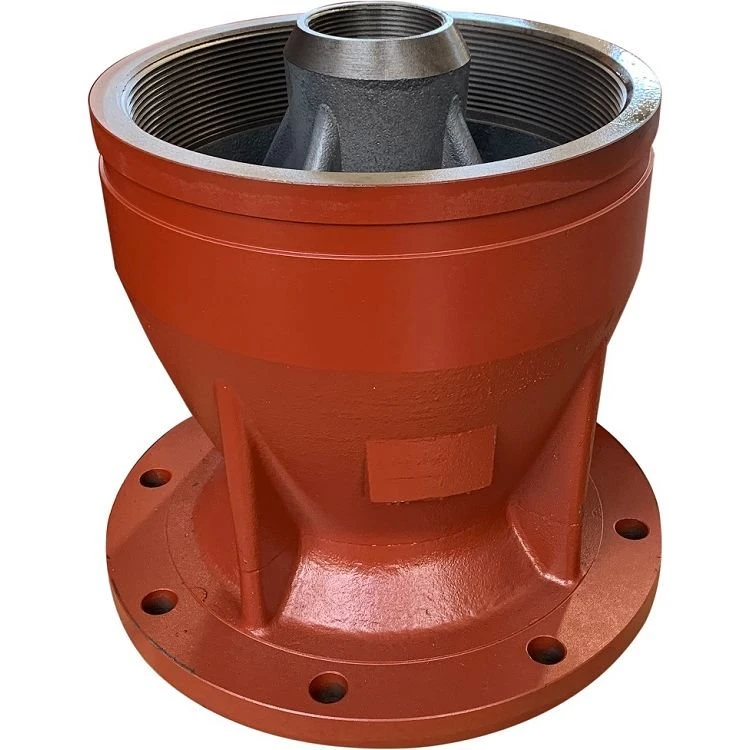

The pump shaft is essentially the backbone of the centrifugal pump. It's the part that connects the impeller, which is responsible for creating the centrifugal force, to the motor. Without a properly functioning pump shaft, the impeller wouldn't be able to rotate, and the pump wouldn't work at all.
One of the main functions of the pump shaft is to transmit power from the motor to the impeller. When the motor starts, it spins the pump shaft, which in turn spins the impeller. As the impeller rotates, it draws fluid into the center of the pump and then throws it outwards at high speed. This creates a low-pressure area at the center of the pump, which causes more fluid to be drawn in. It's a continuous cycle that keeps the fluid moving through the pump.
Another important role of the pump shaft is to support the impeller. The impeller is a heavy, rotating component, and it needs to be properly supported to prevent it from wobbling or vibrating. The pump shaft provides this support, keeping the impeller in place and ensuring that it rotates smoothly. If the pump shaft is not properly aligned or supported, it can cause the impeller to wear out prematurely, leading to costly repairs and downtime.
In addition to transmitting power and supporting the impeller, the pump shaft also needs to be able to withstand the forces and stresses that are generated during operation. Centrifugal pumps can operate at high speeds and under high pressures, which can put a lot of strain on the pump shaft. That's why it's important to choose a pump shaft that is made from high-quality materials and is designed to handle the specific requirements of your application.
At our company, we offer a wide range of pump shafts that are made from different materials, including stainless steel, carbon steel, and alloy steel. Each material has its own unique properties and advantages, so we can help you choose the right pump shaft for your specific needs.
For example, stainless steel pump shafts are highly corrosion-resistant, making them ideal for applications where the pump will be exposed to harsh chemicals or corrosive environments. Carbon steel pump shafts, on the other hand, are strong and durable, making them a good choice for high-pressure applications. Alloy steel pump shafts offer a combination of strength, durability, and corrosion resistance, making them suitable for a wide range of applications.
In addition to the material, the design of the pump shaft is also important. A well-designed pump shaft will be able to transmit power efficiently, support the impeller properly, and withstand the forces and stresses of operation. At our company, we use advanced design techniques and manufacturing processes to ensure that our pump shafts are of the highest quality.
We also offer a variety of customization options for our pump shafts. We can customize the length, diameter, and other dimensions of the pump shaft to fit your specific requirements. We can also add features such as keyways, threads, and splines to make the pump shaft easier to install and use.
Now, let's talk about some of the other components that work together with the pump shaft in a centrifugal pump. One of these components is the Bronze Pump Impeller. The impeller is the part of the pump that creates the centrifugal force, and it works in conjunction with the pump shaft to move the fluid. A high-quality bronze pump impeller can improve the efficiency and performance of the pump.
Another important component is the Cast Iron Pump Suction. The pump suction is the part of the pump that draws the fluid into the pump, and it needs to be properly designed and constructed to ensure that the fluid is flowing smoothly. A cast iron pump suction is strong and durable, making it a good choice for many applications.
Finally, the Stainless Steel Bowl is another important component of the centrifugal pump. The pump bowl is the part of the pump that houses the impeller and the other components, and it needs to be able to withstand the pressure and forces of operation. A stainless steel pump bowl is corrosion-resistant and strong, making it a reliable choice for many applications.
In conclusion, the pump shaft is a crucial component of a centrifugal pump. It plays a key role in transmitting power, supporting the impeller, and withstanding the forces and stresses of operation. As a pump shaft supplier, we understand the importance of providing high-quality pump shafts that are designed to meet the specific requirements of our customers. Whether you're looking for a stainless steel pump shaft, a carbon steel pump shaft, or an alloy steel pump shaft, we can help you find the right one for your application.
If you're in the market for a pump shaft or any other pump parts, we encourage you to get in touch with us. We have a team of experienced professionals who can help you choose the right products for your needs and answer any questions you may have. Don't hesitate to reach out and start a conversation about your pump part requirements.
References:
- "Centrifugal Pumps: Design and Application" by Igor J. Karassik et al.
- "Pump Handbook" by Karassik, Messina, Cooper, and Heald.