Can a bronze pump impeller be used in mining applications? Well, that's a question I get asked a lot as a supplier of Bronze Pump Impeller. And the answer isn't as straightforward as you might think. Let's dive in and take a closer look at the pros and cons of using bronze pump impellers in mining.
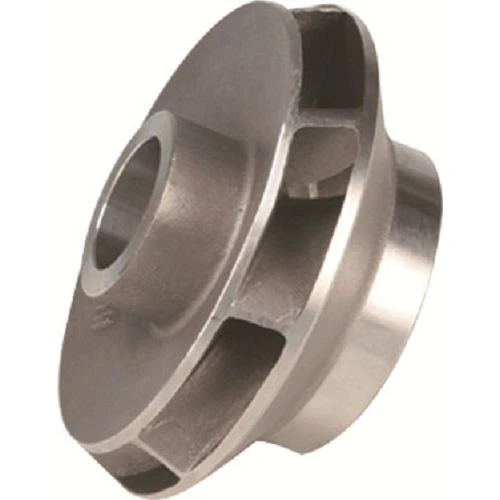
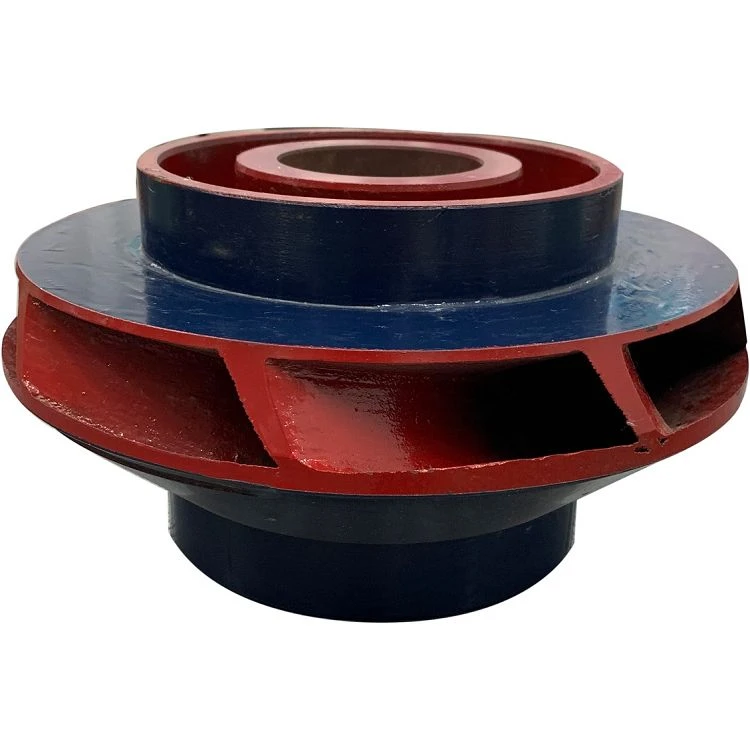
What is a Pump Impeller?
Before we get into the details of bronze impellers, let's quickly go over what a pump impeller is. In simple terms, an impeller is a rotating component of a pump that transfers energy from the motor to the fluid being pumped. It's like the heart of the pump, making it work by creating a centrifugal force that moves the liquid.
Why Mining Applications are Tough on Pump Impellers
Mining is a harsh environment. The fluids being pumped are often abrasive, corrosive, and contain solid particles. These conditions can quickly wear down a pump impeller, leading to reduced efficiency, increased maintenance costs, and even pump failure. So, when choosing an impeller for mining applications, you need to pick a material that can withstand these tough conditions.
The Case for Bronze Pump Impellers
Bronze is an alloy made primarily of copper and tin, and it has some properties that make it a good candidate for mining applications.
Corrosion Resistance
One of the biggest advantages of bronze is its excellent corrosion resistance. In mining, the fluids being pumped can be highly corrosive due to the presence of acids, salts, and other chemicals. Bronze can resist the corrosive effects of these substances better than some other materials, such as Cast Iron Pump Impeller. This means that a bronze impeller will last longer in a corrosive environment, reducing the need for frequent replacements.
Machinability
Bronze is relatively easy to machine, which means it can be shaped into complex impeller designs. This is important because the design of the impeller can have a big impact on the pump's performance. With bronze, manufacturers can create impellers with precise dimensions and smooth surfaces, which can improve the pump's efficiency and reduce energy consumption.
Wear Resistance
While bronze may not be as hard as some other materials, it still has good wear resistance. In mining, the solid particles in the fluid being pumped can cause abrasion on the impeller surface. Bronze can withstand this abrasion to a certain extent, especially when compared to softer materials. This helps to maintain the impeller's performance over time.
The Drawbacks of Bronze Pump Impellers
Of course, bronze isn't perfect, and there are some drawbacks to using it in mining applications.
Cost
Bronze is generally more expensive than other materials like cast iron. This means that the initial cost of a bronze pump impeller will be higher. However, you need to consider the long - term costs. A bronze impeller may last longer and require less maintenance, which could offset the higher upfront cost.
Limited Hardness
As mentioned earlier, bronze is not as hard as some other materials, such as Stainless Steel Pump Impeller. In applications where the fluid contains very hard or large solid particles, a bronze impeller may wear out more quickly. In such cases, a harder material might be a better choice.
When to Use a Bronze Pump Impeller in Mining
So, when should you consider using a bronze pump impeller in mining?
Low to Moderate Abrasion
If the mining application involves pumping fluids with low to moderate levels of abrasion, a bronze impeller can be a great choice. For example, in some underground mining operations where the water being pumped has a relatively low concentration of solid particles, bronze impellers can provide good performance and durability.
Corrosive Environments
In mining areas where the fluids are highly corrosive, such as in acid mine drainage applications, the corrosion resistance of bronze makes it a suitable option. The impeller can resist the corrosive effects of the acidic fluids, ensuring a longer service life.
Other Options in the Market
As a supplier, I also offer Cast Iron Pump Impeller and Stainless Steel Pump Impeller. Cast iron is a cost - effective option, but it has limited corrosion and wear resistance. Stainless steel, on the other hand, is very hard and has good corrosion resistance, but it can be more expensive and difficult to machine.
Making the Right Choice
When choosing a pump impeller for mining applications, you need to consider several factors. First, assess the nature of the fluid being pumped, including its abrasiveness, corrosiveness, and the size and hardness of the solid particles. Second, think about your budget, both for the initial purchase and for long - term maintenance. Finally, consider the performance requirements of your pump, such as the required flow rate and pressure.
Conclusion
In conclusion, a bronze pump impeller can definitely be used in mining applications, especially in situations where corrosion resistance and moderate wear resistance are needed. While it has its drawbacks, such as higher cost and limited hardness, its advantages often make it a viable option. As a supplier, I'm here to help you make the right choice for your specific mining needs. If you're interested in learning more about our Bronze Pump Impeller or have any questions about which impeller is best for your application, don't hesitate to get in touch. We can have a detailed discussion and find the perfect solution for you.
References
- "Materials for Pump Components" - A technical guide on pump materials.
- "Mining Pump Handbook" - A comprehensive resource on pumps used in mining.