Hey there! As a supplier of Pump Control Panel, I'm super stoked to chat with you about the safety features of these bad boys. Pump control panels are like the brains behind a pumping system, making sure everything runs smoothly and, most importantly, safely. So, let's dive right in and explore what makes these control panels so safe.
Overload Protection
One of the most crucial safety features of a pump control panel is overload protection. You see, pumps can sometimes draw more current than they're supposed to. This can happen for a bunch of reasons, like a blockage in the pipes or a mechanical problem with the pump itself. When this occurs, the motor in the pump can overheat, which not only damages the pump but can also pose a serious fire hazard.
That's where overload protection comes in. The control panel is equipped with sensors that constantly monitor the current flowing through the pump motor. If the current exceeds a pre - set limit, the control panel will automatically shut off the power to the pump. This prevents the motor from overheating and reduces the risk of damage or fire. It's like having a vigilant guard watching over your pump at all times.
Short - Circuit Protection
Short - circuits are another potential danger in a pumping system. A short - circuit happens when there's an unintended connection between two conductors with different voltages. This can cause a massive surge of current, which can fry the pump motor and other components in the control panel.
To prevent this, pump control panels are fitted with short - circuit protection devices. These devices are designed to detect a sudden increase in current caused by a short - circuit and quickly interrupt the electrical flow. They act like a lightning rod, diverting the excessive current away from the sensitive components of the system. This not only protects the pump but also ensures the safety of anyone working around the pumping system.
Ground Fault Protection
Ground faults occur when an electrical current leaks from the pump motor or other components to the ground. This can happen due to damaged insulation or a faulty electrical connection. Ground faults are extremely dangerous because they can cause electric shocks, which can be fatal.
Pump control panels have ground fault protection mechanisms that constantly monitor the electrical current. If a ground fault is detected, the control panel will immediately shut off the power to the pump. This helps to prevent electric shocks and keeps everyone safe. It's a simple yet effective way to protect both the equipment and the people using it.
Emergency Stop Button
In case of an emergency, every pump control panel should have an emergency stop button. This button is usually bright red and easy to access. When pressed, it immediately cuts off the power to the pump and all related components.
Imagine a scenario where there's a sudden mechanical failure in the pump, or a chemical spill near the pumping system. In such situations, you need to be able to stop the pump quickly to prevent further damage or injury. The emergency stop button provides a fast and reliable way to do this. It's like having a panic button that can save the day in a critical situation.
Temperature Monitoring
Pumps generate heat during operation, and if the temperature gets too high, it can cause damage to the motor and other components. That's why many pump control panels are equipped with temperature sensors.
These sensors continuously monitor the temperature of the pump motor and other critical components. If the temperature exceeds a safe limit, the control panel can take action. It might reduce the pump's speed or shut it down completely to prevent overheating. This helps to extend the lifespan of the pump and ensures that it operates safely.
Voltage Regulation
Fluctuations in voltage can be a real headache for pumps. If the voltage is too high, it can cause the motor to draw too much current, leading to overheating and potential damage. On the other hand, if the voltage is too low, the pump may not function properly.
Pump control panels are designed to regulate the voltage supplied to the pump. They use voltage regulators to maintain a stable voltage level, regardless of any fluctuations in the power supply. This ensures that the pump operates at its optimal performance and reduces the risk of damage due to voltage issues.
Enclosure Protection
The enclosure of a pump control panel plays a vital role in safety. It protects the internal components from dust, dirt, moisture, and other environmental factors. A well - designed enclosure also provides protection against accidental contact with live electrical parts.
Most pump control panels are housed in enclosures that are rated for a specific level of protection. For example, an IP (Ingress Protection) rating indicates how well the enclosure protects against the ingress of solid objects and water. A higher IP rating means better protection. This not only keeps the control panel in good working condition but also reduces the risk of electrical accidents.
Alarm Systems
Pump control panels often come with alarm systems that alert operators when something goes wrong. These alarms can be visual, such as flashing lights, or audible, like beeping sounds.
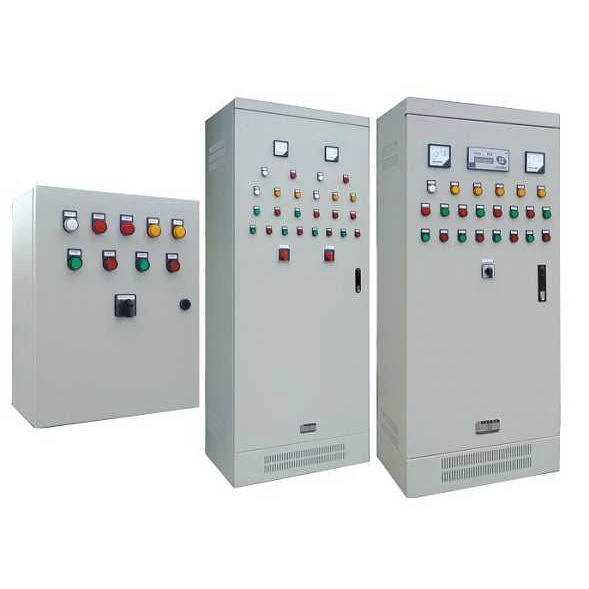
For example, if the pump motor overheats, the control panel can trigger an alarm to notify the operator. This gives the operator a chance to take corrective action before the situation gets worse. Alarms can also be set for other safety - related issues, such as low water levels or high pressure. They act as an early warning system, helping to prevent equipment damage and ensure the safety of the pumping system.
Lockout/Tagout Provisions
Lockout/tagout is a safety procedure used to ensure that equipment is properly shut down and cannot be accidentally restarted during maintenance or repair work. Pump control panels should have provisions for lockout/tagout.
This means that there are places on the control panel where a lock can be attached to prevent the power from being turned on. A tag can also be attached to indicate that the equipment is being serviced. This simple yet effective procedure helps to protect maintenance workers from electrical hazards and other dangers associated with the pumping system.
User - Friendly Design
Last but not least, a good pump control panel should have a user - friendly design. This includes clear labeling of buttons and switches, easy - to - read displays, and intuitive controls.
When operators can easily understand how to use the control panel, they are less likely to make mistakes. A user - friendly design also makes it easier to perform routine maintenance and troubleshooting. This contributes to the overall safety of the pumping system by reducing the risk of human error.
So, there you have it! These are some of the key safety features of a pump control panel. As a supplier, I know how important it is to provide high - quality, safe control panels. If you're in the market for a pump control panel, or if you have any questions about the safety features, don't hesitate to reach out. I'd be more than happy to discuss your specific needs and help you find the perfect solution for your pumping system. Let's work together to keep your operations safe and efficient!
References
- Electrical Safety Handbook by the National Fire Protection Association
- Pump Handbook by Karassik, et al.
- Standards for Electrical Equipment for Pumping Systems by the Institute of Electrical and Electronics Engineers (IEEE)