Hey there! As a supplier of sea water pumps, I often get asked this question: Can a sea water pump be operated continuously? Well, let's dive right into it and find out.
First off, we need to understand what sea water pumps are and the different types available. There are mainly two common types that we deal with: submersible sea water pumps and centrifugal sea water pumps. You can check out more details about Submersible Sea Water Pump and Centrifugal Sea Water Pump on our website.
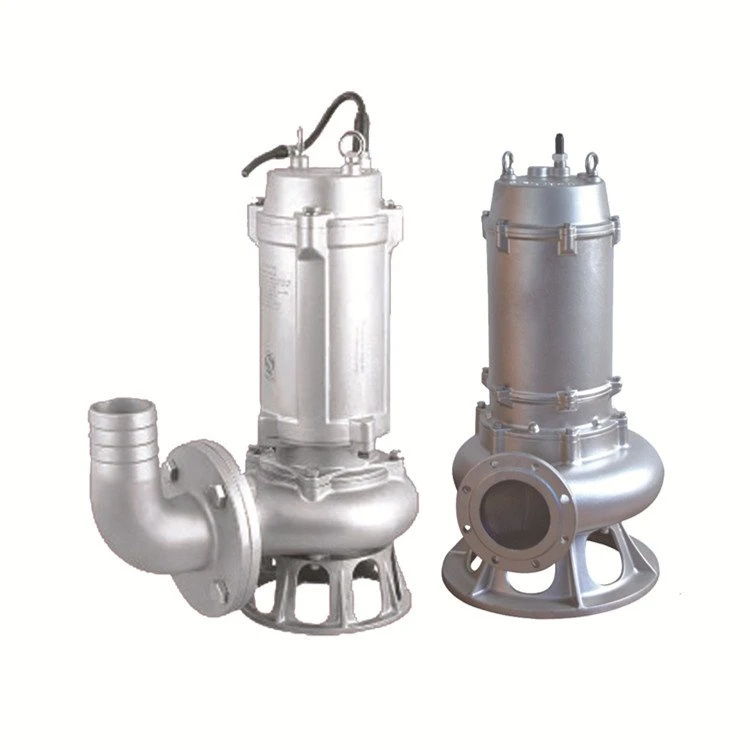
Submersible Sea Water Pumps
Submersible sea water pumps are designed to be fully submerged in the water. They're pretty tough little machines, built to handle the harsh conditions of sea water. These pumps work by pushing the water from the bottom up. One of the big advantages of submersible pumps is that they don't need priming, which means they can start working right away.
Now, back to the question of continuous operation. Submersible sea water pumps can generally be operated continuously, but there are a few things to keep in mind. The first is the heat. When a pump runs continuously, it generates heat. And sea water, while it's a good conductor of heat, can still cause issues if the pump isn't properly designed to dissipate that heat. If the pump overheats, it can lead to mechanical failures, like the motor burning out or the seals failing.
Another factor is the wear and tear. Sea water is full of salt and other minerals, which can be quite corrosive. Over time, the constant exposure to sea water can wear down the pump's components, such as the impeller and the housing. This is why it's crucial to use high - quality materials when manufacturing these pumps. For example, we use corrosion - resistant alloys in our submersible sea water pumps to extend their lifespan during continuous operation.
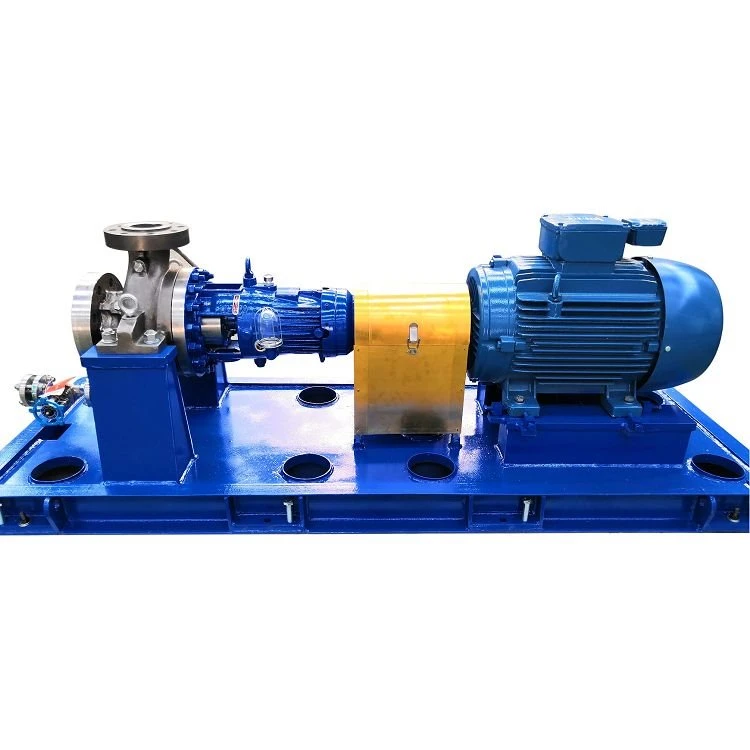
Centrifugal Sea Water Pumps
Centrifugal sea water pumps work by using an impeller to create a centrifugal force that moves the water. These pumps are often used in larger systems, like in desalination plants or for cooling in power stations.
Just like submersible pumps, centrifugal sea water pumps can also operate continuously. However, they have their own set of challenges. One of the main issues is cavitation. Cavitation occurs when the pressure in the pump drops below the vapor pressure of the sea water, causing bubbles to form. When these bubbles collapse, they can cause damage to the impeller and other parts of the pump. This is especially a concern during continuous operation because the longer the pump runs, the higher the chances of cavitation occurring.
To prevent cavitation, proper pump sizing and system design are essential. We always recommend that our customers work with us to ensure that the centrifugal sea water pump they choose is the right fit for their specific application. This includes considering factors like the flow rate, head pressure, and the characteristics of the sea water source.
Maintenance is Key
Whether you're using a submersible or a centrifugal sea water pump, regular maintenance is the key to continuous operation. This includes things like checking the pump's performance regularly, monitoring the temperature and pressure, and replacing worn - out parts.
For example, the seals in a sea water pump need to be inspected and replaced periodically to prevent sea water from leaking into the motor. The impeller should also be checked for signs of wear and corrosion. And don't forget about the filters! Keeping the filters clean is crucial to prevent debris from entering the pump and causing damage.
Environmental Considerations
When operating a sea water pump continuously, we also need to think about the environment. Sea water pumps can have an impact on the local marine ecosystem. For example, the intake of sea water can suck in small marine organisms, which can be harmful to them. And the discharge of the pumped water can also affect the water quality in the area.
To minimize these impacts, we recommend using intake screens to prevent marine organisms from being sucked into the pump. And when it comes to the discharge, proper treatment of the water may be required to ensure that it meets environmental standards.
The Importance of Monitoring
Continuous monitoring of the sea water pump is essential for its long - term operation. With modern technology, we can use sensors to monitor things like temperature, pressure, and vibration. These sensors can send real - time data to a control system, which can alert the operators if there are any issues.
For example, if the temperature of the pump motor starts to rise above the normal range, the control system can send an alarm, allowing the operators to take action before any serious damage occurs. This kind of proactive approach can save a lot of time and money in the long run.
Choosing the Right Pump for Continuous Operation
If you're planning to operate a sea water pump continuously, it's important to choose the right pump for your needs. You need to consider factors like the flow rate, the head pressure, the quality of the sea water, and the expected operating conditions.
As a supplier, we have a wide range of sea water pumps to choose from. We can work with you to understand your specific requirements and recommend the best pump for your application. Whether you need a submersible sea water pump for a small - scale project or a centrifugal sea water pump for a large industrial system, we've got you covered.
Conclusion
So, can a sea water pump be operated continuously? The answer is yes, but it comes with a set of challenges. With proper design, high - quality materials, regular maintenance, and continuous monitoring, a sea water pump can run smoothly for long periods of time.
If you're in the market for a sea water pump and need a reliable supplier, don't hesitate to get in touch with us. We're here to help you choose the right pump for your continuous operation needs and provide you with all the support you need to keep your pump running efficiently. Let's work together to make your sea water pumping project a success!
References
- "Pump Handbook" by Igor J. Karassik, Joseph P. Messina, Paul Cooper, and Charles C. Heald
- "Marine Engineering: Principles, Practices, and Rules of Thumb" by Andrew J. Brown
- Industry standards and guidelines related to sea water pump manufacturing and operation.