Fluid viscosity plays a crucial role in determining the performance of centrifugal pumps. As a leading centrifugal pump supplier, we have witnessed firsthand how viscosity can significantly influence the head - flow characteristics of these pumps. In this blog, we will delve into the effects of fluid viscosity on the head - flow characteristics of a centrifugal pump, providing insights that can help you make informed decisions when selecting and operating centrifugal pumps.
Understanding Centrifugal Pumps and Their Head - Flow Characteristics
Before we explore the impact of fluid viscosity, it's essential to understand the basic principles of centrifugal pumps and their head - flow characteristics. A centrifugal pump operates by converting the mechanical energy of a rotating impeller into kinetic energy of the fluid. The fluid enters the pump at the center of the impeller and is then forced outwards by the centrifugal force generated by the rotating impeller. This process increases the fluid's velocity and pressure, allowing it to be transported through the pump and into the discharge pipe.
The head - flow characteristic curve of a centrifugal pump is a graphical representation of the relationship between the pump's head (the energy per unit weight of the fluid) and the flow rate (the volume of fluid passing through the pump per unit time). This curve is typically determined experimentally and is used to select the appropriate pump for a specific application. Under ideal conditions, with a low - viscosity fluid such as water, the head - flow curve follows a predictable pattern. As the flow rate increases, the head decreases due to increased frictional losses and reduced efficiency within the pump.
How Fluid Viscosity Affects Head - Flow Characteristics
Fluid viscosity is a measure of a fluid's resistance to flow. High - viscosity fluids, such as oils and syrups, have a greater resistance to flow compared to low - viscosity fluids like water. When a centrifugal pump operates with a high - viscosity fluid, several significant changes occur in its head - flow characteristics.
Reduced Flow Rate
One of the most noticeable effects of high fluid viscosity is a reduction in the pump's flow rate. As the viscosity of the fluid increases, the resistance to flow within the pump also increases. This increased resistance makes it more difficult for the fluid to move through the pump's impeller and volute, resulting in a lower flow rate for a given pump speed. For example, if a centrifugal pump is designed to deliver a certain flow rate of water at a specific speed, when it is used to pump a high - viscosity oil, the actual flow rate will be significantly lower.
Decreased Head
In addition to reducing the flow rate, high fluid viscosity also leads to a decrease in the pump's head. The increased frictional losses associated with high - viscosity fluids cause a greater drop in pressure as the fluid moves through the pump. This means that the pump has to work harder to overcome these losses, resulting in a lower net head available at the pump's discharge. As a result, the pump may not be able to achieve the same head as it would with a low - viscosity fluid, even at the same flow rate.
Lower Efficiency
Fluid viscosity also has a negative impact on the pump's efficiency. High - viscosity fluids require more energy to be pumped compared to low - viscosity fluids. This is because the pump has to overcome the increased frictional forces within the fluid and the pump components. As a result, the power consumption of the pump increases, while the overall efficiency decreases. In some cases, the efficiency of a centrifugal pump can drop significantly when pumping high - viscosity fluids, leading to higher operating costs.
Implications for Pump Selection and Operation
The effects of fluid viscosity on the head - flow characteristics of a centrifugal pump have important implications for pump selection and operation. When selecting a centrifugal pump for a high - viscosity application, it is crucial to consider the following factors:
Pump Size and Capacity
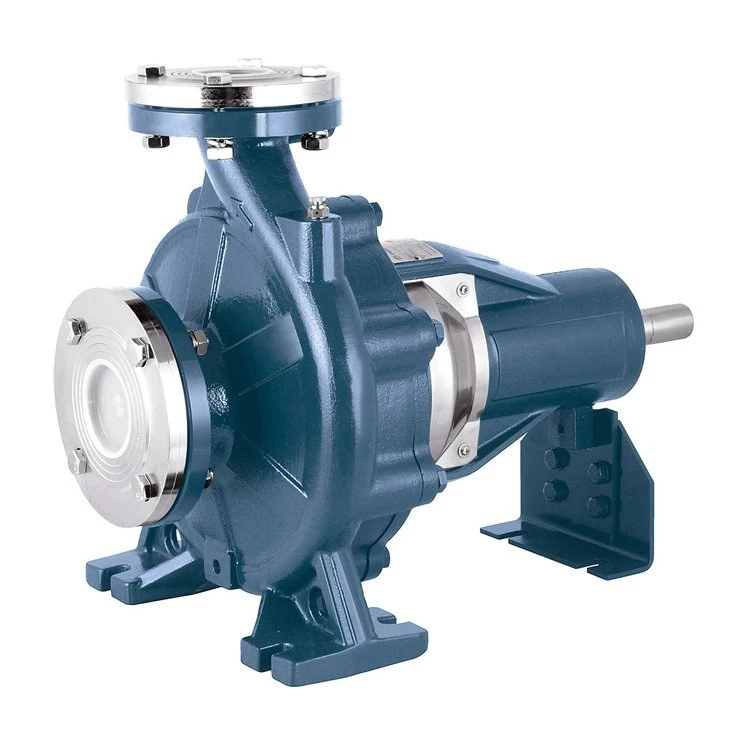
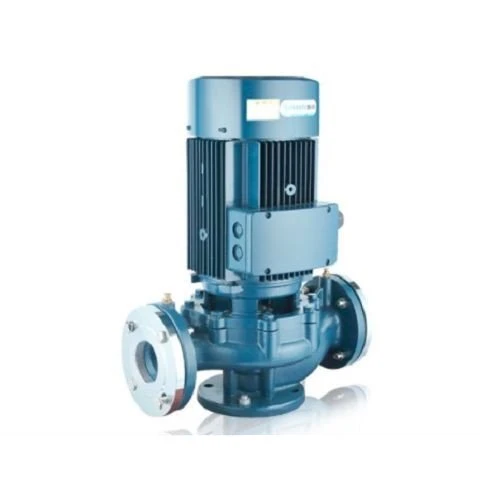
Due to the reduced flow rate and head caused by high fluid viscosity, a larger pump may be required to achieve the desired performance. The pump's impeller diameter, speed, and horsepower should be carefully selected to ensure that it can handle the increased resistance of the high - viscosity fluid. Our company offers a wide range of centrifugal pumps, including Single Stage Double - Suction Centrifugal Pump, Vertical In Line Pump, and End Suction Centrifugal Pump, which can be customized to meet the specific requirements of high - viscosity applications.
Pump Design
Some pump designs are better suited for high - viscosity applications than others. For example, pumps with larger impeller passages and wider volutes can reduce the resistance to flow and improve the pump's performance with high - viscosity fluids. Additionally, special materials and coatings can be used to reduce frictional losses and improve the pump's efficiency.
Operating Conditions
When operating a centrifugal pump with a high - viscosity fluid, it is important to monitor the pump's performance closely. The pump may need to be operated at a lower speed to prevent overloading and to maintain the desired flow rate and head. Regular maintenance, including checking the impeller for wear and ensuring proper lubrication, is also essential to ensure the pump's long - term reliability.
Case Studies
To illustrate the practical impact of fluid viscosity on centrifugal pump performance, let's consider a few case studies.
Oil Refinery Application
In an oil refinery, a centrifugal pump was initially selected to pump a light - grade oil with a relatively low viscosity. However, due to a change in the production process, the pump was required to handle a heavier - grade oil with a much higher viscosity. As a result, the pump's flow rate decreased by approximately 30%, and the head dropped by 20%. To address this issue, the pump was replaced with a larger - sized pump with a more suitable impeller design. This new pump was able to achieve the required flow rate and head, improving the overall efficiency of the refinery's operations.
Food Processing Application
In a food processing plant, a centrifugal pump was used to transfer a high - viscosity syrup. The original pump was not able to provide the necessary flow rate and head, resulting in production delays. After consulting with our technical team, the plant installed a Vertical In Line Pump specifically designed for high - viscosity applications. This pump had a larger impeller passage and a more efficient volute design, which significantly improved the pump's performance and reduced the production downtime.
Conclusion
Fluid viscosity has a profound effect on the head - flow characteristics of a centrifugal pump. High - viscosity fluids can reduce the flow rate, decrease the head, and lower the efficiency of the pump. When selecting and operating a centrifugal pump for high - viscosity applications, it is essential to consider these effects and choose the appropriate pump design and operating conditions.
As a centrifugal pump supplier, we have the expertise and experience to help you select the right pump for your specific application, whether it involves low - or high - viscosity fluids. Our team of engineers can provide customized solutions to ensure optimal pump performance and efficiency. If you are in the market for a centrifugal pump or need advice on pump selection and operation, we encourage you to contact us for a consultation. We look forward to working with you to meet your pumping needs.
References
- Karassik, I. J., Messina, J. P., Cooper, P. T., & Heald, C. C. (2008). Pump Handbook (4th ed.). McGraw - Hill Professional.
- Stepanoff, A. J. (1957). Centrifugal and Axial Flow Pumps: Theory, Design, and Application. Wiley.