Hey there! As a supplier of sea water pumps, I often get asked whether a sea water pump can be used in a desalination plant. Well, the short answer is yes, but there's a lot more to it than that. In this blog post, I'm going to dive deep into this topic and explain everything you need to know.
First off, let's understand what a desalination plant does. Desalination is the process of removing salt and other impurities from sea water to make it suitable for human consumption, agricultural use, or industrial applications. It's a crucial solution in regions where freshwater is scarce. And sea water pumps play a vital role in this process.
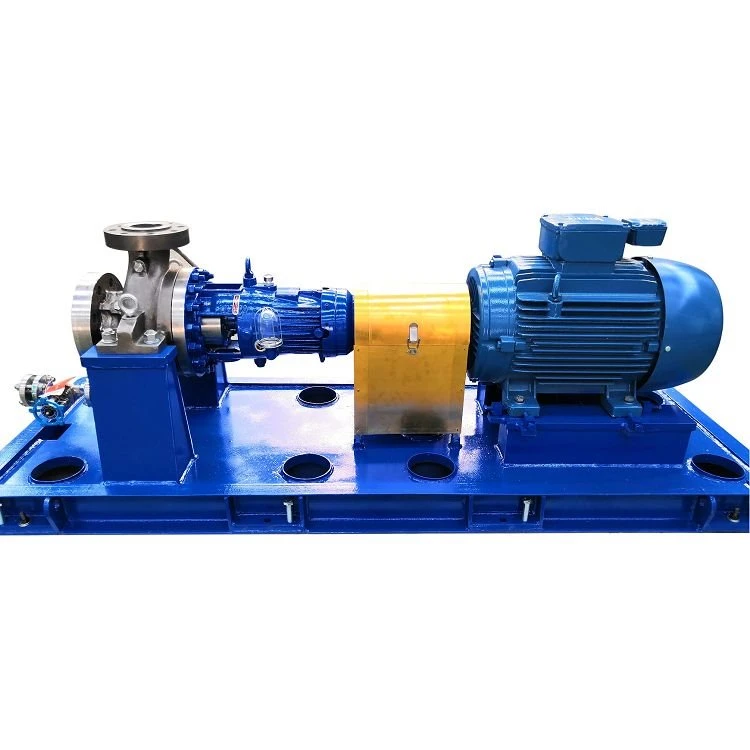
There are different types of sea water pumps that can be used in desalination plants. One of the most common ones is the Centrifugal Sea Water Pump. These pumps work by using centrifugal force to move water. They are efficient, reliable, and can handle large volumes of water. In a desalination plant, centrifugal sea water pumps are often used to draw in sea water from the ocean and transport it to the treatment facilities.
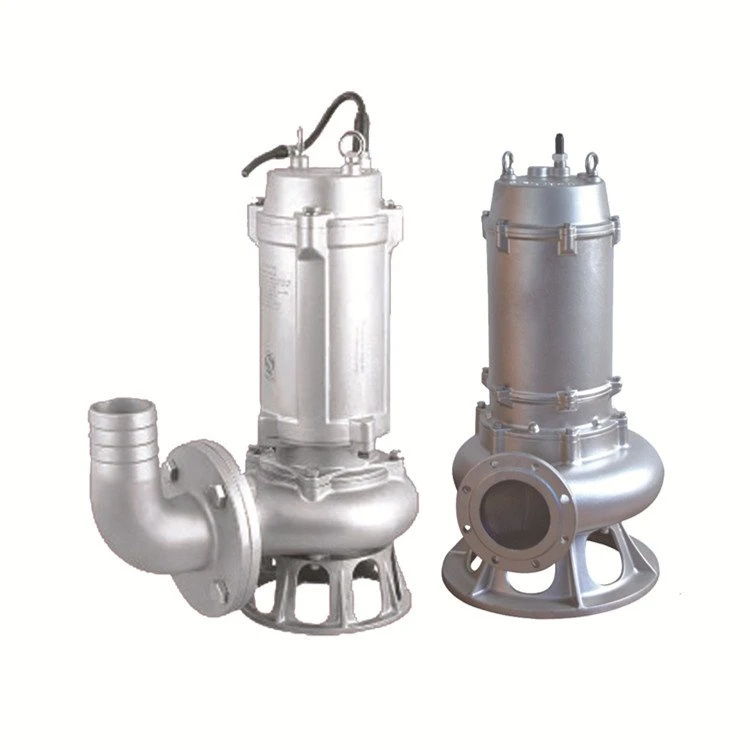
Another type is the Submersible Sea Water Pump. As the name suggests, these pumps are designed to be submerged in water. They are great for applications where you need to pump water from a deep source, like the ocean floor. In a desalination plant, submersible sea water pumps can be used to extract water from deep sea areas or to transfer water between different stages of the desalination process.
Now, you might be wondering what makes a sea water pump suitable for a desalination plant. Well, there are a few key factors. First of all, the pump needs to be able to handle the harsh conditions of sea water. Sea water is highly corrosive due to its high salt content, so the pump materials need to be resistant to corrosion. Stainless steel, for example, is a popular choice for sea water pump components because it can withstand the corrosive effects of sea water.
Secondly, the pump needs to be efficient. Desalination is an energy-intensive process, and using an inefficient pump can significantly increase the energy consumption of the plant. That's why it's important to choose a pump that has a high efficiency rating. Modern sea water pumps are designed with advanced technologies to minimize energy loss and maximize performance.
In addition, the pump needs to be reliable. A desalination plant operates 24/7, and any downtime can be costly. A reliable pump will ensure that the water supply to the plant is continuous and that the desalination process runs smoothly. This means choosing a pump from a reputable manufacturer that has a proven track record of producing high-quality, reliable pumps.
Let's talk about the specific roles of sea water pumps in a desalination plant. At the intake stage, the pump is responsible for bringing in sea water from the ocean. This requires a pump with sufficient power to overcome the resistance of the water and to transport it over a long distance if necessary. The pump also needs to be able to handle any debris or sediment that might be present in the sea water. Some pumps are equipped with filters or screens to prevent large particles from entering the system.
Once the sea water is in the plant, it goes through a series of treatment processes. Sea water pumps are used to transfer the water between different treatment stages, such as filtration, reverse osmosis, and chemical treatment. Each stage requires a specific flow rate and pressure, and the pumps need to be able to provide the right conditions for the treatment to be effective.
After the desalination process is complete, the treated water needs to be pumped out of the plant and distributed to the end-users. This requires a pump that can handle the clean water and maintain the required pressure for distribution.
Of course, there are some challenges when using sea water pumps in a desalination plant. One of the main challenges is fouling. Fouling occurs when marine organisms, such as barnacles and algae, attach themselves to the pump components. This can reduce the efficiency of the pump and even cause damage if not addressed. To prevent fouling, regular maintenance and cleaning are required. Some pumps are also designed with anti-fouling coatings to reduce the attachment of marine organisms.
Another challenge is cavitation. Cavitation happens when the pressure in the pump drops below the vapor pressure of the water, causing bubbles to form. These bubbles can collapse and cause damage to the pump impeller and other components. To prevent cavitation, the pump needs to be properly sized and installed, and the operating conditions need to be carefully monitored.
In conclusion, sea water pumps are essential for desalination plants. They play a crucial role in the intake, transfer, and distribution of water throughout the desalination process. When choosing a sea water pump for a desalination plant, it's important to consider factors such as corrosion resistance, efficiency, reliability, and the specific requirements of the plant.
If you're in the market for a sea water pump for your desalination plant, I'd love to help. As a supplier, I have a wide range of high-quality sea water pumps to choose from. Whether you need a centrifugal sea water pump or a submersible sea water pump, I can provide you with the right solution for your needs. Contact me for more information and let's start a discussion about how I can help you meet your desalination requirements.
References
- "Desalination Technology and Engineering" by Peter A. Wilderer
- "Pumps and Pumping Systems" by Igor J. Karassik