As a supplier of sea water pumps, I often encounter inquiries from marine aquaculture operators about the suitability of our pumps for their systems. The question “Can a sea water pump be used in a marine aquaculture system?” is not only common but also crucial for the success of aquaculture operations. In this blog, I will delve into the technical aspects, advantages, and considerations of using sea water pumps in marine aquaculture.
Technical Suitability of Sea Water Pumps in Aquaculture
Marine aquaculture systems require a reliable water supply to maintain optimal conditions for the growth and health of aquatic organisms. Sea water pumps are designed to handle the unique challenges posed by seawater, such as high salinity, corrosive elements, and the presence of marine organisms.
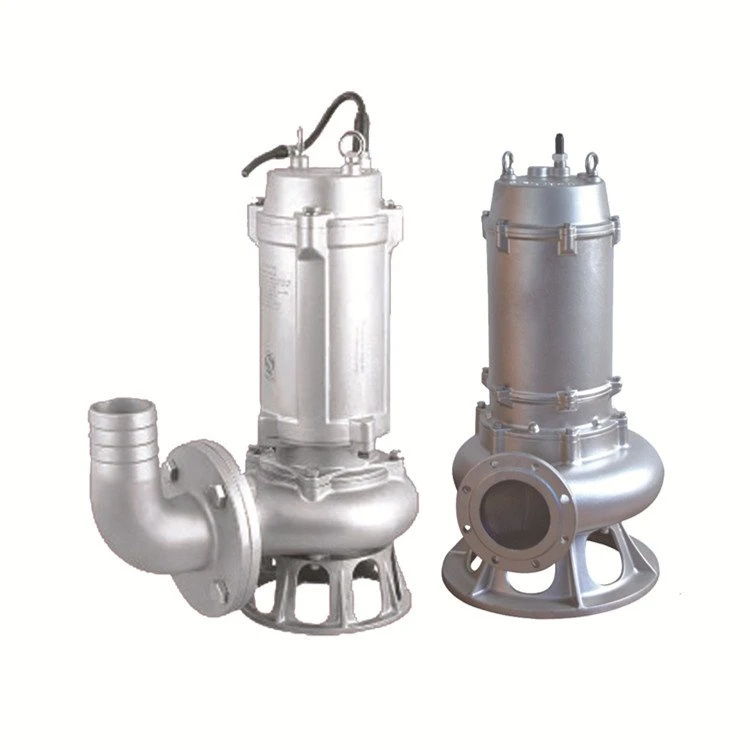
Our Submersible Sea Water Pump is an excellent choice for aquaculture systems. It is specifically engineered to be submerged in seawater, which allows for efficient water intake directly from the source. The submersible design eliminates the need for priming and reduces the risk of cavitation, ensuring a continuous and stable water flow. These pumps are equipped with corrosion - resistant materials, such as stainless steel or special coatings, to withstand the harsh marine environment.
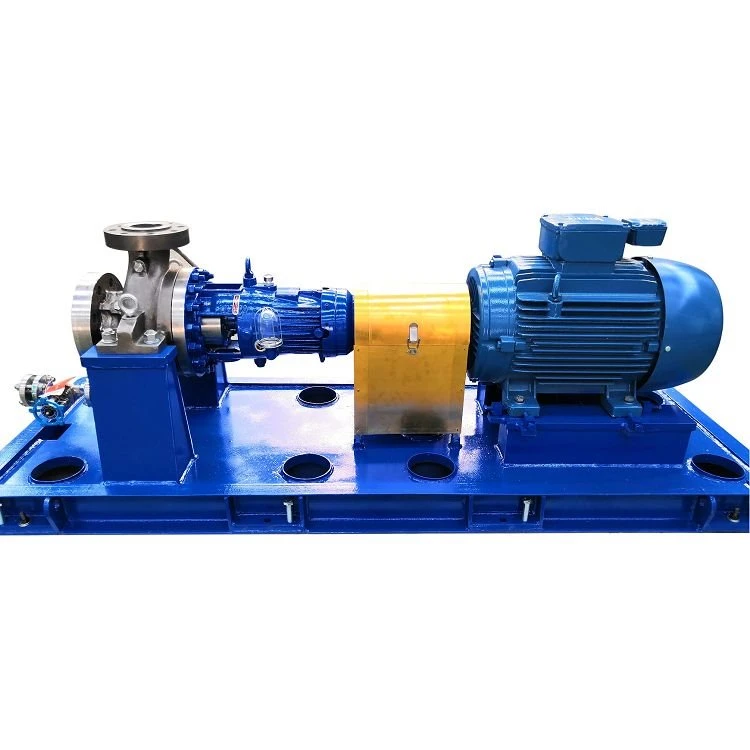
Another type of pump that is widely used in aquaculture is the Centrifugal Sea Water Pump. Centrifugal pumps work by using centrifugal force to move water. They are known for their high flow rates and ability to handle large volumes of water, which is essential for large - scale aquaculture operations. The impellers of centrifugal sea water pumps are designed to minimize clogging from debris and marine organisms, ensuring smooth operation over extended periods.
Advantages of Using Sea Water Pumps in Marine Aquaculture
Water Quality Maintenance
One of the primary advantages of using sea water pumps in aquaculture is the ability to maintain water quality. Seawater contains essential nutrients and minerals that are beneficial for the growth of aquatic organisms. By continuously circulating fresh seawater through the aquaculture system, sea water pumps help to remove waste products, such as ammonia and nitrates, and replenish dissolved oxygen. This creates a healthier environment for fish, shellfish, and other marine species, reducing the risk of diseases and improving overall productivity.
Temperature Regulation
Seawater temperature can have a significant impact on the metabolism and growth of aquatic organisms. Sea water pumps can be used to control the temperature of the aquaculture system by pumping in cooler or warmer seawater as needed. This is particularly important in regions with extreme temperature variations, where maintaining a stable water temperature is crucial for the survival and well - being of the cultured species.
Cost - Efficiency
In the long run, using sea water pumps can be cost - effective for aquaculture operators. Instead of relying on expensive water treatment systems to create artificial seawater, operators can use natural seawater directly from the ocean. Sea water pumps are also energy - efficient, especially when properly sized and maintained. By choosing the right pump for the specific needs of the aquaculture system, operators can reduce energy consumption and operating costs.
Considerations When Using Sea Water Pumps in Aquaculture
Corrosion and Erosion
Despite the use of corrosion - resistant materials, sea water pumps are still exposed to the corrosive effects of seawater. Over time, corrosion and erosion can damage the pump components, leading to reduced performance and increased maintenance requirements. It is important to regularly inspect and maintain the pumps, including checking for signs of corrosion, replacing worn parts, and applying protective coatings as needed.
Clogging
Marine aquaculture systems are often located in areas with high levels of debris, such as seaweed, plankton, and sediment. These materials can clog the intake and impellers of sea water pumps, reducing their efficiency and causing damage. To prevent clogging, it is recommended to install appropriate filtration systems upstream of the pumps. Regular cleaning of the filters and pump components is also essential to ensure smooth operation.
Biological Fouling
Biological fouling occurs when marine organisms, such as barnacles, mussels, and algae, attach themselves to the surfaces of the pump. This can increase the weight and drag of the pump, reduce its efficiency, and even cause mechanical failure. Anti - fouling coatings and regular cleaning can help to prevent biological fouling and maintain the performance of the sea water pumps.
Case Studies
Let's take a look at some real - world examples of how sea water pumps have been successfully used in marine aquaculture. A large - scale fish farm in coastal California was facing challenges with water quality and temperature regulation. By installing our centrifugal sea water pumps, they were able to increase the water flow rate in their aquaculture system, improving oxygenation and waste removal. The pumps also allowed them to adjust the water temperature according to the needs of the fish, resulting in a significant increase in fish growth and survival rates.
In another case, a shellfish farm in Maine was struggling with clogging issues in their existing pump system. After switching to our submersible sea water pumps with advanced filtration systems, they were able to eliminate the clogging problems and improve the overall efficiency of their operation. The farm also reported a reduction in maintenance costs and an increase in the quality of their shellfish products.
Conclusion
In conclusion, sea water pumps are highly suitable for use in marine aquaculture systems. They offer numerous advantages, including water quality maintenance, temperature regulation, and cost - efficiency. However, it is important to consider the potential challenges, such as corrosion, clogging, and biological fouling, and take appropriate measures to address them.
If you are an aquaculture operator looking for a reliable sea water pump solution, I encourage you to contact us for more information. Our team of experts can help you select the right pump for your specific needs and provide guidance on installation, maintenance, and operation. We are committed to providing high - quality products and excellent customer service to ensure the success of your aquaculture operation.
References
- FAO. (2020). The State of World Fisheries and Aquaculture 2020. Rome: Food and Agriculture Organization of the United Nations.
- Munro, J. L., & De Silva, S. S. (2008). Aquaculture Engineering and Technology. Oxford: Blackwell Publishing.
- Saeed, M., & Iqbal, M. (2019). Design and Development of Seawater Pumps for Aquaculture Applications. Journal of Marine Science and Engineering, 7(11), 401.