In the complex world of industrial fluid handling, slurry pumps play a pivotal role in transporting abrasive and viscous slurries across various sectors such as mining, construction, and chemical processing. At the heart of these robust machines lies the pump impeller, a component that is often overlooked but is crucial for the pump's performance and efficiency. As a trusted pump impeller supplier, I am excited to delve into the intricacies of the pump impeller's role in a slurry pump and explore its significance in ensuring seamless operations.
Understanding the Basics of a Slurry Pump
Before we dive into the role of the pump impeller, it's essential to have a basic understanding of what a slurry pump is. A slurry pump is a type of centrifugal pump designed to handle slurries, which are mixtures of solid particles and liquids. These pumps are engineered to withstand the harsh conditions associated with transporting abrasive materials and are commonly used in applications where the efficient transfer of slurries is critical.
The primary function of a slurry pump is to convert mechanical energy into hydraulic energy, which is then used to move the slurry through the system. This process is achieved through the rotation of the pump impeller, which creates a centrifugal force that propels the slurry outwards and into the discharge pipe.
The Role of the Pump Impeller
The pump impeller is the key component responsible for generating the centrifugal force required to move the slurry through the pump. It consists of a series of curved blades or vanes that are attached to a central hub. As the impeller rotates, the blades push the slurry towards the outer edge of the impeller, increasing its velocity and pressure.
One of the primary roles of the pump impeller is to impart kinetic energy to the slurry. This energy is then converted into pressure energy as the slurry is forced through the pump casing and into the discharge pipe. The design and shape of the impeller blades play a crucial role in determining the efficiency of this energy transfer process. A well-designed impeller will minimize energy losses and ensure that the maximum amount of energy is transferred to the slurry.
Another important role of the pump impeller is to maintain a consistent flow rate and pressure. In a slurry pump, the flow rate and pressure are directly related to the speed of the impeller and the size of the impeller blades. By adjusting the speed of the impeller or changing the impeller size, it is possible to control the flow rate and pressure of the slurry. This is particularly important in applications where the flow rate and pressure need to be maintained within a specific range.
In addition to generating the necessary force and maintaining a consistent flow rate, the pump impeller also helps to prevent the settling of solid particles in the slurry. As the impeller rotates, it creates a swirling motion that keeps the solid particles in suspension, preventing them from settling at the bottom of the pump or in the piping system. This is crucial in ensuring that the slurry remains homogeneous and that the pump operates efficiently.
Types of Pump Impellers
There are several different types of pump impellers available, each designed to suit specific applications and operating conditions. Some of the most common types of pump impellers used in slurry pumps include:
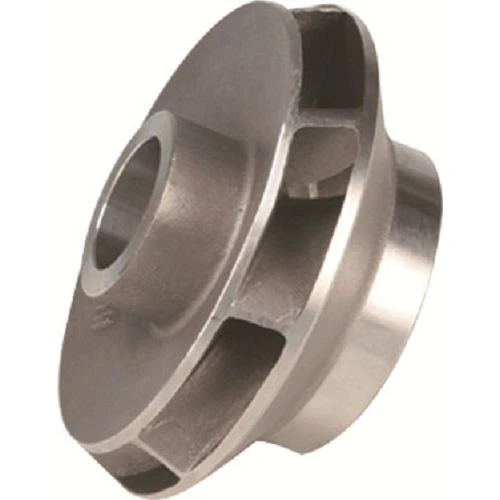
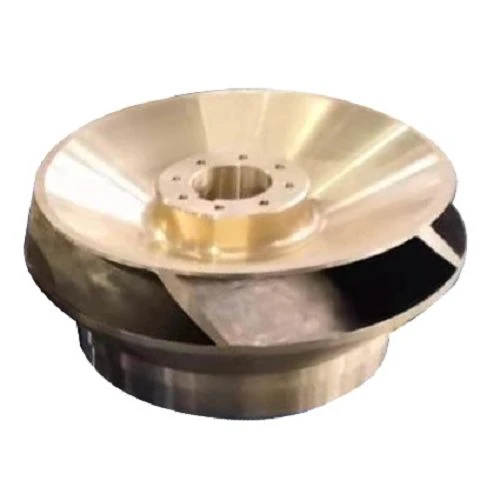
- Open Impellers: Open impellers have a simple design with exposed blades. They are typically used in applications where the slurry contains large solid particles or where the pump needs to handle high flow rates. Open impellers are less prone to clogging than other types of impellers, but they may be less efficient in terms of energy transfer.
- Semi-Open Impellers: Semi-open impellers have a single shroud on one side of the blades, which helps to improve the efficiency of the impeller by reducing leakage. They are commonly used in applications where the slurry contains medium-sized solid particles and where a higher level of efficiency is required.
- Closed Impellers: Closed impellers have shrouds on both sides of the blades, which provides maximum efficiency and minimizes leakage. They are typically used in applications where the slurry contains small solid particles and where a high level of pressure is required.
Material Selection for Pump Impellers
The choice of material for the pump impeller is crucial in ensuring its durability and performance. The impeller is exposed to a high level of wear and corrosion due to the abrasive nature of the slurry and the high-speed rotation of the impeller. Therefore, it is important to select a material that can withstand these harsh conditions.
Some of the most common materials used for pump impellers include:
- Bronze: Bronze Pump Impeller is a popular choice for pump impellers due to its excellent corrosion resistance and high strength. It is commonly used in applications where the slurry contains corrosive chemicals or where the pump is exposed to seawater.
- Stainless Steel: Stainless Steel Pump Impeller is another commonly used material for pump impellers. It offers good corrosion resistance and is suitable for a wide range of applications. Stainless steel impellers are often used in applications where the slurry contains abrasive particles or where the pump needs to operate in a high-temperature environment.
- Cast Iron: Cast Iron Pump Impeller is a cost-effective option for pump impellers. It is known for its high strength and durability, but it may be more prone to corrosion than other materials. Cast iron impellers are commonly used in applications where the slurry is not highly corrosive and where the pump operates at relatively low speeds.
Importance of Proper Impeller Maintenance
Proper maintenance of the pump impeller is essential to ensure its long-term performance and reliability. Over time, the impeller may become worn or damaged due to the abrasive nature of the slurry and the high-speed rotation of the impeller. This can lead to a decrease in pump efficiency, increased energy consumption, and even pump failure.
To prevent these issues, it is important to regularly inspect the impeller for signs of wear and damage. If any wear or damage is detected, the impeller should be repaired or replaced as soon as possible. Additionally, it is important to follow the manufacturer's recommended maintenance schedule, which may include tasks such as lubrication, alignment, and balancing.
Conclusion
In conclusion, the pump impeller plays a crucial role in the operation of a slurry pump. It is responsible for generating the centrifugal force required to move the slurry through the pump, maintaining a consistent flow rate and pressure, and preventing the settling of solid particles. By understanding the role of the pump impeller and selecting the right type of impeller for your application, you can ensure the efficient and reliable operation of your slurry pump.
As a pump impeller supplier, we are committed to providing high-quality impellers that are designed to meet the specific needs of our customers. Whether you are looking for a bronze, stainless steel, or cast iron impeller, we have the expertise and experience to help you find the right solution for your application. If you have any questions or would like to discuss your pump impeller requirements, please do not hesitate to contact us. We look forward to working with you to ensure the success of your slurry pumping operations.
References
- Chemical Engineering Handbook, Perry and Green
- Pump Handbook, Karassik et al.