Can a sea water pump be used in fresh - water applications?
Hey there! I'm a supplier of sea water pumps, and I often get asked this question: Can a sea water pump be used in fresh - water applications? Well, let's dive right into it.
First off, let's understand the differences between sea water and fresh water. Sea water is, of course, saltier. It contains a significant amount of dissolved salts, mainly sodium chloride, along with other minerals. This makes it more corrosive compared to fresh water. Fresh water, on the other hand, has a much lower salt content and is generally less harsh on materials.
Now, sea water pumps are designed to handle the tough conditions of sea water. They're built with materials that can resist corrosion. For example, many sea water pumps use stainless steel or other corrosion - resistant alloys in their construction. These materials can withstand the constant exposure to the salty environment without rusting or deteriorating quickly.
So, can you use a sea water pump in fresh - water applications? The short answer is yes, you can. A sea water pump will work just fine in fresh water. Since fresh water is less corrosive, the pump's components will actually experience less wear and tear. This means that the pump might have a longer lifespan when used in fresh - water applications compared to sea - water use.
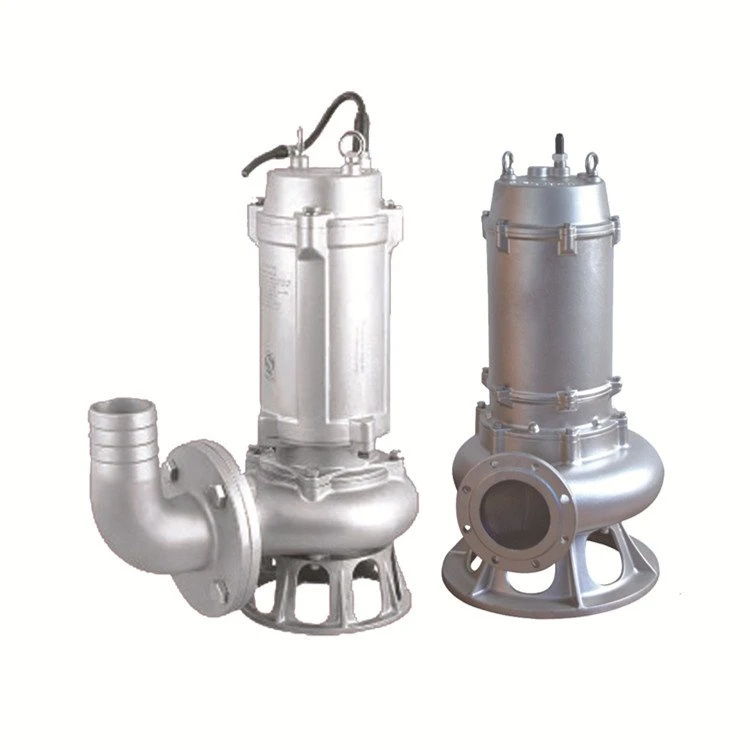
Let's talk about the types of sea water pumps available. We have the Submersible Sea Water Pump. These pumps are designed to be submerged in water. They're great for applications where you need to pump water from a lower level, like from a well or a deep tank. When used in fresh - water applications, a submersible sea water pump can efficiently move water around. For instance, if you have a large freshwater pond and you want to circulate the water for aeration, a submersible sea water pump can do the job.
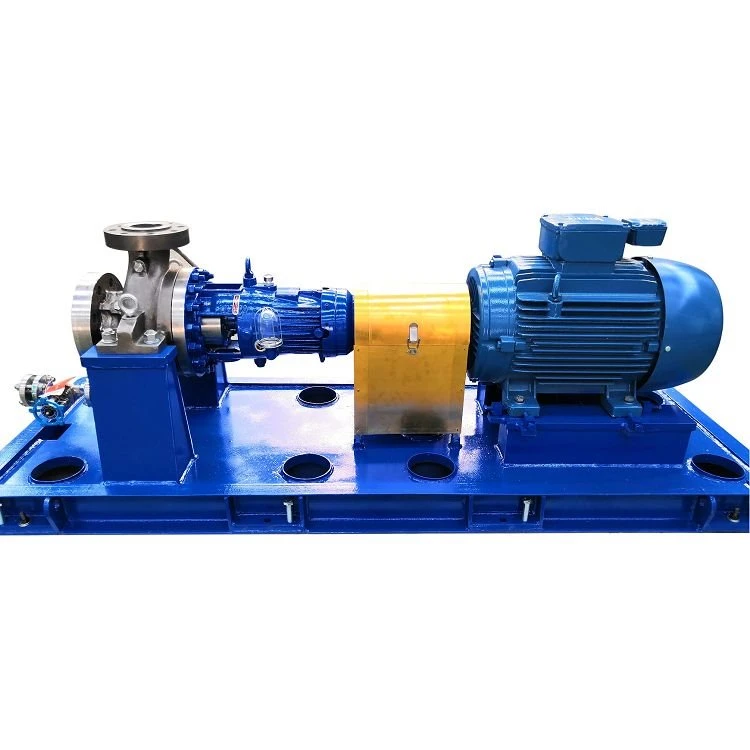
Another type is the Centrifugal Sea Water Pump. Centrifugal pumps work by using a rotating impeller to create centrifugal force, which moves the water. They're commonly used in many industrial and commercial applications. In fresh - water scenarios, a centrifugal sea water pump can be used for things like supplying water to a building's plumbing system or for irrigation purposes.
However, there are a few things to consider. Sea water pumps are usually more expensive than pumps specifically designed for fresh water. This is because of the high - quality, corrosion - resistant materials used in their construction. If you're on a tight budget and your fresh - water application doesn't require the heavy - duty features of a sea water pump, you might want to look into more budget - friendly fresh - water pumps.
Also, sea water pumps are often more powerful than necessary for some small - scale fresh - water applications. If you only need to pump a small amount of water, say for a small backyard fountain, a sea water pump might be overkill. In such cases, a smaller, less powerful fresh - water pump would be more appropriate.
But if you have a large - scale fresh - water project, like a big - time agricultural irrigation system or a large industrial cooling system, a sea water pump can be a great choice. Its durability and power can ensure that the system runs smoothly for a long time.
One of the advantages of using a sea water pump in fresh - water applications is its versatility. If your needs change in the future and you need to switch to pumping sea water, you won't have to buy a new pump. This can save you both time and money in the long run.
In addition, sea water pumps are often built to high standards. They're tested to handle extreme conditions, so you can be confident in their reliability when used in fresh - water settings. Whether it's a sudden surge in water demand or a long - term continuous operation, a sea water pump is likely to perform well.
Now, let's talk about maintenance. Since fresh water is less corrosive, the maintenance requirements for a sea water pump used in fresh - water applications might be a bit lower. You won't have to worry as much about salt build - up and corrosion on the pump's components. However, regular maintenance is still important. You should still check the pump for any signs of wear, clean the impeller if necessary, and make sure all the connections are tight.
If you're still not sure whether a sea water pump is the right choice for your fresh - water application, feel free to reach out. As a sea water pump supplier, I have a lot of experience and can help you make the best decision based on your specific needs. Whether it's the size of the project, your budget, or the long - term goals, I can offer some valuable advice.
In conclusion, a sea water pump can definitely be used in fresh - water applications. It has its advantages, such as durability, versatility, and reliability. But you also need to consider factors like cost and power requirements. If you think a sea water pump might be suitable for your fresh - water project, don't hesitate to contact me for more information. We can discuss the details and see if it's the right fit for you.
References
- Engineering textbooks on pump design and applications
- Industry reports on water pump usage and performance
So, if you're interested in purchasing a sea water pump for your fresh - water application, let's start a conversation. I'm here to help you find the perfect pump for your needs.