Hey there! I'm a supplier of submersible pumps, and today I want to dig into a pretty interesting question: Can a submersible pump be used in a desalination plant?
First off, let's get a quick lowdown on desalination plants. These places are like magic water factories. They take in seawater, which is way too salty for us to drink or use in most industries, and turn it into fresh, usable water. There are a couple of main ways they do this, like reverse osmosis and distillation.
Now, let's talk about submersible pumps. These are pumps that are designed to be fully submerged in the liquid they're pumping. They're super handy because they use the liquid around them for cooling, and they can handle different types of fluids, from clean water to slurries with lots of solid particles.
Advantages of Using Submersible Pumps in Desalination Plants
1. Efficiency
Submersible pumps are known for their high efficiency. Since they're right in the water, they don't have to waste energy sucking the water up from a distance. This means they can move a lot of water with less power, which is a big deal in a desalination plant where you're dealing with huge volumes of seawater. For example, in a large - scale desalination plant, a submersible pump can continuously feed seawater into the pre - treatment system at a steady rate, using less electricity compared to other types of pumps.
2. Space - Saving
Desalination plants are often built in areas where space is at a premium. Submersible pumps are a great solution because they can be installed directly in the water source, like a seawater intake well. This eliminates the need for large above - ground pump houses and complex piping systems to bring the water to the pump. It also makes the overall layout of the plant more compact and easier to manage.
3. Low Noise
Noise pollution can be a problem in industrial settings, and desalination plants are no exception. Submersible pumps operate quietly because they're submerged in water. This is a huge advantage, especially if the plant is located near residential areas or other noise - sensitive environments. Workers at the plant can go about their business without being constantly bombarded by the loud noise of pumping equipment.
Challenges and Considerations
1. Corrosion
Seawater is extremely corrosive due to its high salt content. Submersible pumps used in desalination plants need to be made from materials that can withstand this harsh environment. Stainless steel is a common choice, but even that may require special coatings or treatments to prevent long - term corrosion. For example, some submersible pumps are coated with epoxy or other anti - corrosion materials to extend their lifespan in seawater.
2. Solid Particles
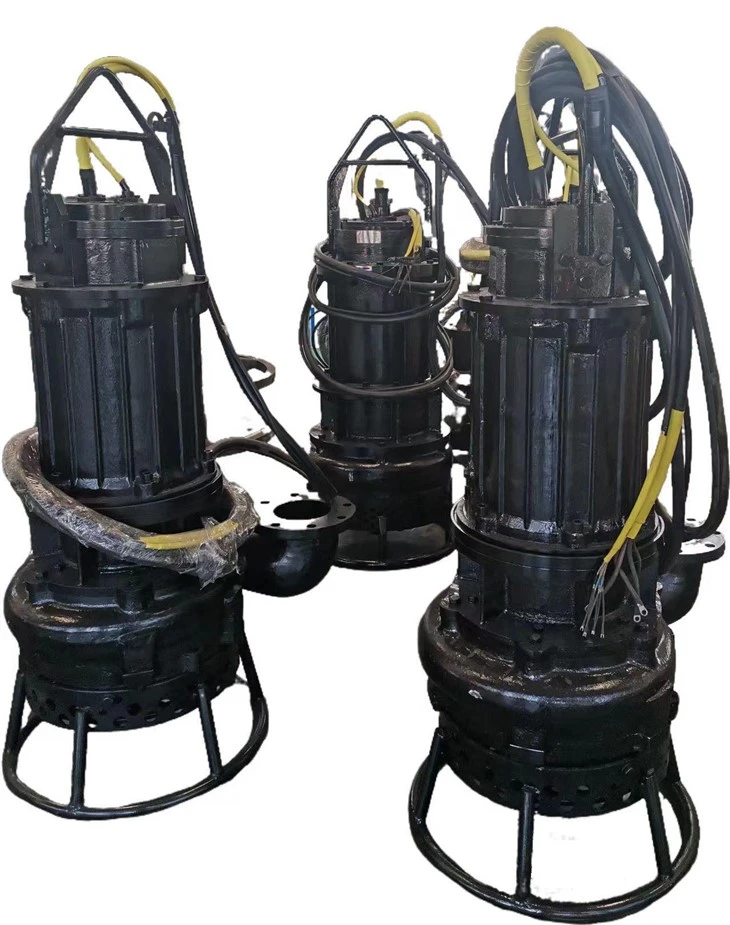
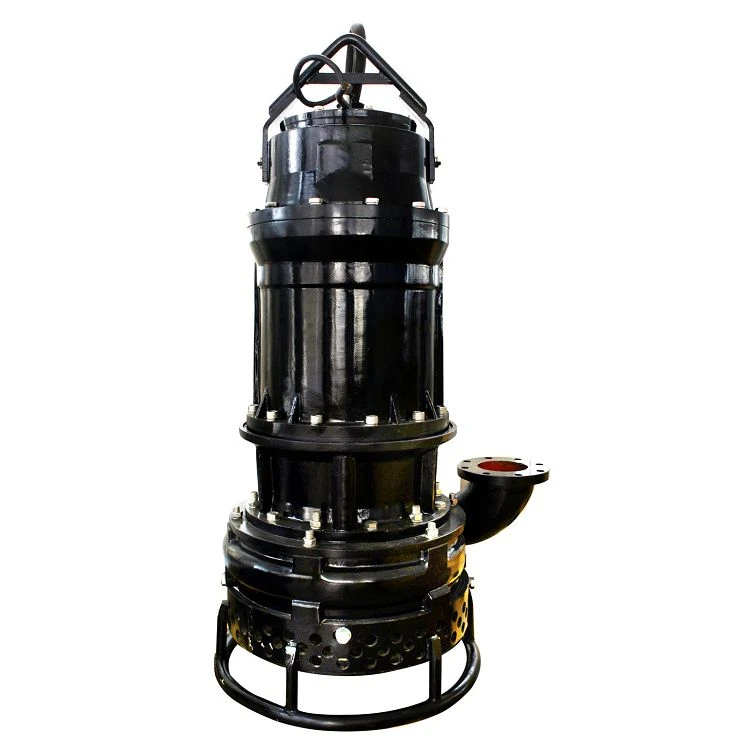
Seawater contains all sorts of solid particles, like sand, silt, and marine organisms. These particles can cause wear and tear on the pump's impellers and other moving parts. To deal with this, submersible pumps used in desalination plants often have special designs. For instance, the Submersible Slurry Pump is built to handle slurries with high concentrations of solid particles. It has a robust impeller and a wear - resistant lining to minimize damage from the abrasive particles in seawater.
3. Motor Protection
The motor of a submersible pump is a critical component. In a desalination plant, it's important to protect the motor from water ingress and overheating. The Submersible Motor used in these pumps is designed with special seals and cooling systems. For example, some motors have a double mechanical seal to prevent seawater from getting into the motor housing, and they may also have a water - cooling jacket to keep the motor at a safe operating temperature.
Specific Applications in Desalination Plants
1. Seawater Intake
Submersible pumps are commonly used for seawater intake. They can be placed directly in the ocean or in a seawater intake well. These pumps are responsible for bringing in large volumes of seawater to the desalination plant. They need to be powerful enough to overcome the pressure differences and the resistance of the intake pipes. For example, a large - capacity submersible pump can pump thousands of cubic meters of seawater per hour into the plant's pre - treatment system.
2. Brine Disposal
After the desalination process, there's a concentrated salt solution called brine that needs to be disposed of. Submersible pumps can be used to pump this brine back into the ocean or to a disposal site. The Mine Flameproof Submersible Sand Pump can be a good option here because it can handle the high - density brine and any solid particles that may be present in it.
Conclusion
So, can a submersible pump be used in a desalination plant? Absolutely! While there are some challenges to overcome, the advantages of using submersible pumps, such as efficiency, space - saving, and low noise, make them a viable option for desalination plants. With the right design and materials, submersible pumps can play a crucial role in the seawater intake, pre - treatment, and brine disposal processes.
If you're in the market for submersible pumps for your desalination plant or any other application, I'd love to talk to you. We have a wide range of high - quality submersible pumps that are designed to meet the specific needs of different industries. Feel free to reach out to me to discuss your requirements and see how we can help you find the perfect pump solution.
References
- "Desalination Technology and Engineering" by John Wiley & Sons
- "Pump Handbook" by Karassik et al.
- Industry reports on submersible pump applications in water treatment plants.