Choosing the correct pipe diameter for pump suction is a crucial decision that can significantly impact the performance and efficiency of your pumping system. As a Pump Suction supplier, I've seen firsthand the problems that can arise when the wrong pipe diameter is selected. In this blog post, I'll share some tips on how to choose the right pipe diameter for your pump suction, based on my experience in the industry.
Why Pipe Diameter Matters
The pipe diameter for pump suction plays a vital role in determining the flow rate, pressure, and overall efficiency of the pumping system. A pipe that is too small can cause excessive friction loss, leading to reduced flow rate and increased energy consumption. On the other hand, a pipe that is too large can result in lower velocities, which may cause sedimentation and other issues.
Factors to Consider
When choosing the correct pipe diameter for pump suction, several factors need to be taken into account. Here are some of the most important ones:
1. Flow Rate
The flow rate is the volume of fluid that the pump needs to move per unit of time. It is typically measured in gallons per minute (GPM) or liters per second (L/s). The higher the flow rate, the larger the pipe diameter you'll need to ensure smooth and efficient flow. You can calculate the required flow rate based on the application and the specific requirements of your system.
2. Pump Capacity
The pump capacity refers to the maximum amount of fluid that the pump can handle. It is usually specified by the pump manufacturer and is measured in the same units as the flow rate. You need to choose a pipe diameter that can accommodate the pump's capacity without causing excessive pressure drop.
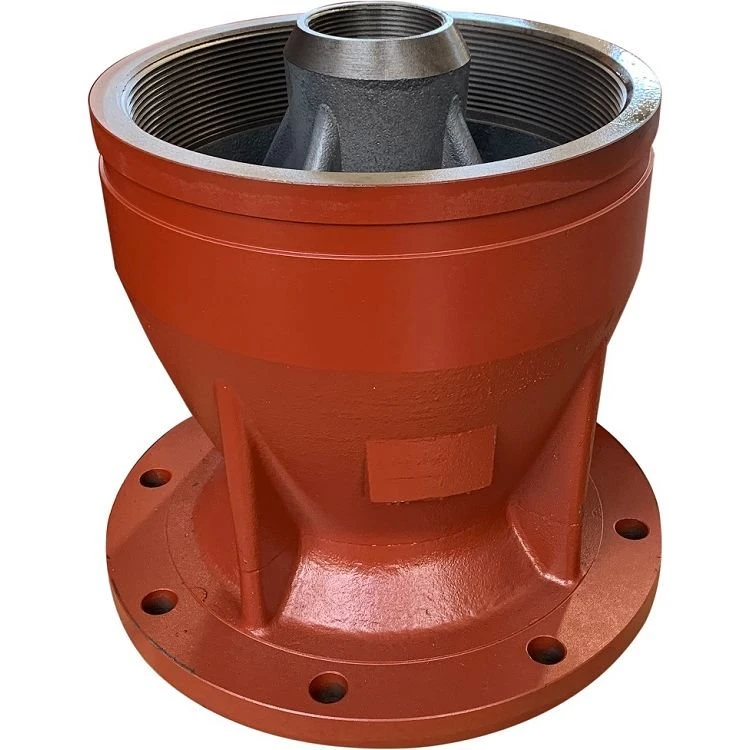
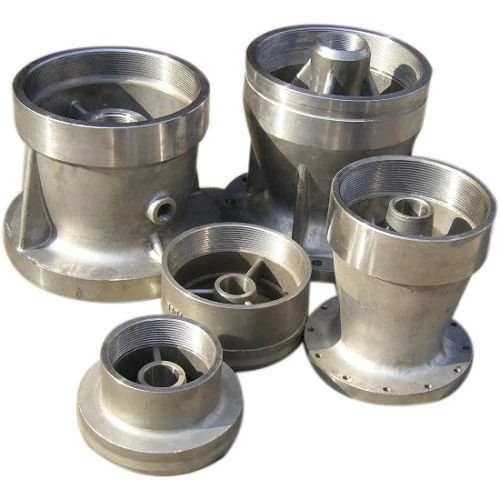
3. Fluid Properties
The properties of the fluid being pumped, such as viscosity, density, and temperature, can also affect the choice of pipe diameter. For example, highly viscous fluids require larger pipe diameters to maintain the desired flow rate. Similarly, fluids with high density may need larger pipes to prevent excessive pressure drop.
4. Suction Lift
The suction lift is the vertical distance between the fluid source and the pump inlet. A higher suction lift requires a larger pipe diameter to minimize friction loss and prevent cavitation. Cavitation occurs when the pressure at the pump inlet drops below the vapor pressure of the fluid, causing the formation of vapor bubbles that can damage the pump.
5. Pipe Material
The material of the pipe can also influence the choice of diameter. Different materials have different roughness coefficients, which affect the friction loss in the pipe. For example, smooth pipes like Stainless Steel Pump Suction generally have lower friction loss compared to rough pipes like Cast Iron Pump Suction. You need to consider the material's properties and its compatibility with the fluid being pumped.
Calculating the Pipe Diameter
Once you've considered all the relevant factors, you can use a few methods to calculate the appropriate pipe diameter. One common approach is to use the Darcy-Weisbach equation, which relates the pressure drop, flow rate, pipe diameter, and other factors. However, this equation can be complex and may require some technical knowledge.
A simpler method is to use a pipe sizing chart or an online pipe sizing calculator. These tools take into account the flow rate, fluid properties, and other factors to recommend the appropriate pipe diameter. You can find many free pipe sizing calculators online by doing a quick search.
Example Calculation
Let's say you have a pump that needs to deliver a flow rate of 100 GPM of water at a temperature of 60°F. The suction lift is 10 feet, and you're using a stainless steel pipe. Using an online pipe sizing calculator, you find that a 3-inch diameter pipe would be suitable for this application.
Common Mistakes to Avoid
When choosing the pipe diameter for pump suction, there are some common mistakes that you should avoid:
1. Underestimating the Flow Rate
If you underestimate the flow rate, you may end up choosing a pipe diameter that is too small. This can lead to reduced performance, increased energy consumption, and premature pump failure. Make sure to accurately calculate the required flow rate based on the application and the specific requirements of your system.
2. Ignoring the Suction Lift
The suction lift is an important factor that can significantly affect the choice of pipe diameter. Ignoring it can result in cavitation and other problems. Always consider the suction lift when selecting the pipe diameter.
3. Using the Wrong Pipe Material
Using the wrong pipe material can lead to corrosion, erosion, and other issues. Make sure to choose a pipe material that is compatible with the fluid being pumped and the operating conditions of your system.
4. Not Considering Future Expansion
If you anticipate future expansion or changes in your system, it's a good idea to choose a slightly larger pipe diameter than what is currently required. This can save you from having to replace the pipes in the future.
Conclusion
Choosing the correct pipe diameter for pump suction is a critical step in ensuring the efficient and reliable operation of your pumping system. By considering the factors mentioned above and using the appropriate calculation methods, you can select the right pipe diameter for your application. If you have any questions or need further assistance, feel free to contact us. We're here to help you make the best decision for your pumping needs. Whether you're looking for Stainless Steel Pump Suction or Cast Iron Pump Suction, we have a wide range of products to meet your requirements. Don't hesitate to reach out to discuss your specific needs and start the procurement process.
References
- Crane Co., "Flow of Fluids Through Valves, Fittings, and Pipe," Technical Paper No. 410.
- Perry, R. H., & Green, D. W., "Perry's Chemical Engineers' Handbook," McGraw-Hill.