As a dedicated supplier of submersible pumps, I often encounter inquiries regarding the suitability of our products for various applications, including geothermal systems. Geothermal energy, a renewable and sustainable power source, has gained significant traction in recent years as the world seeks cleaner and more efficient energy alternatives. In this blog post, I will delve into the question of whether a submersible pump can be used in a geothermal system, exploring the technical aspects, benefits, and considerations involved.
Understanding Geothermal Systems
Before discussing the role of submersible pumps in geothermal systems, it is essential to understand how these systems work. Geothermal systems utilize the stable temperature of the earth to provide heating, cooling, and hot water for residential and commercial buildings. There are two main types of geothermal systems: closed-loop and open-loop systems.
Closed-Loop Geothermal Systems
Closed-loop systems circulate a mixture of water and antifreeze through a series of underground pipes, known as ground loops. These loops can be installed horizontally or vertically, depending on the available space and soil conditions. As the fluid circulates through the ground loops, it absorbs heat from the earth during the winter and releases heat into the earth during the summer. The heat is then transferred to the building's HVAC system using a heat pump.
Open-Loop Geothermal Systems
Open-loop systems, on the other hand, draw water from a well or other water source and circulate it through the heat pump. After the water has passed through the heat pump, it is either returned to the same well or discharged into another water source. Open-loop systems are typically more efficient than closed-loop systems but require a reliable and sustainable water source.
The Role of Submersible Pumps in Geothermal Systems
Submersible pumps play a crucial role in both closed-loop and open-loop geothermal systems. In closed-loop systems, submersible pumps are used to circulate the fluid through the ground loops. These pumps are typically installed in a small pit or well near the building and are designed to operate continuously for long periods.
In open-loop systems, submersible pumps are used to draw water from the well or other water source and deliver it to the heat pump. These pumps must be able to handle the specific flow rate and pressure requirements of the geothermal system and must be designed to operate in a variety of water conditions, including dirty or abrasive water.
Benefits of Using Submersible Pumps in Geothermal Systems
There are several benefits to using submersible pumps in geothermal systems, including:
Energy Efficiency
Submersible pumps are designed to operate efficiently, using less energy than other types of pumps. This can result in significant energy savings over the life of the geothermal system, reducing both operating costs and environmental impact.
Reliability
Submersible pumps are built to last, with durable components and a sealed design that protects the motor from water and other contaminants. This makes them highly reliable and reduces the need for frequent maintenance and repairs.
Quiet Operation
Submersible pumps operate quietly, making them ideal for use in residential and commercial buildings where noise is a concern. This can improve the comfort and quality of life for building occupants.
Space Saving
Submersible pumps are compact and can be installed in a small pit or well, taking up less space than other types of pumps. This can be particularly beneficial in areas where space is limited.
Considerations When Using Submersible Pumps in Geothermal Systems
While submersible pumps offer many benefits for geothermal systems, there are also several considerations to keep in mind when selecting and installing these pumps. These include:

Pump Size and Capacity
It is essential to select a submersible pump that is the right size and capacity for the specific geothermal system. The pump must be able to handle the required flow rate and pressure of the system and must be designed to operate efficiently under the specific conditions of the installation.
Water Quality
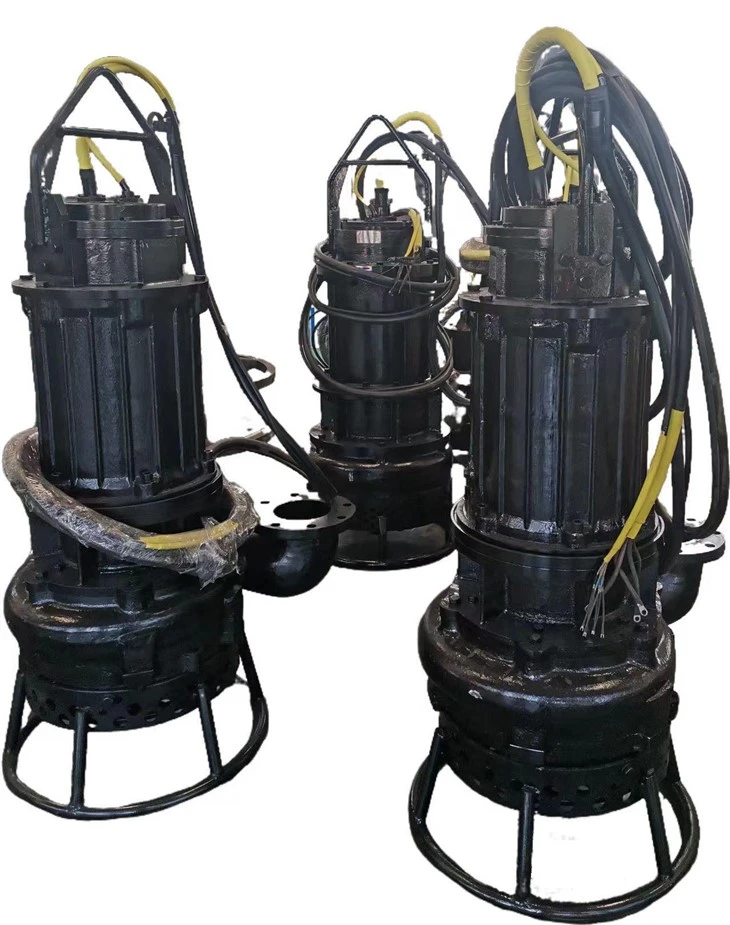
The quality of the water in the geothermal system can have a significant impact on the performance and lifespan of the submersible pump. If the water contains high levels of sediment, sand, or other contaminants, it may be necessary to install a filtration system or use a pump that is specifically designed to handle dirty or abrasive water, such as a Submersible Slurry Pump.
Installation and Maintenance
Proper installation and maintenance are critical to the performance and reliability of submersible pumps in geothermal systems. It is important to follow the manufacturer's instructions carefully when installing the pump and to perform regular maintenance, such as checking the pump's performance, lubricating the bearings, and replacing the seals as needed.
Compatibility with the Geothermal System
It is important to ensure that the submersible pump is compatible with the specific geothermal system. This includes ensuring that the pump is designed to operate at the correct temperature and pressure ranges and that it is compatible with the type of fluid used in the system.
Conclusion
In conclusion, submersible pumps can be an excellent choice for use in geothermal systems. These pumps offer many benefits, including energy efficiency, reliability, quiet operation, and space saving. However, it is important to carefully consider the specific requirements of the geothermal system and to select a pump that is the right size and capacity for the application. Additionally, proper installation and maintenance are critical to the performance and reliability of the pump.
If you are considering using a submersible pump in your geothermal system, I encourage you to contact us to discuss your specific needs and requirements. Our team of experts can help you select the right pump for your application and provide you with the support and guidance you need to ensure a successful installation.
References
- "Geothermal Heat Pumps: An Overview." U.S. Department of Energy.
- "Submersible Pumps: Principles and Applications." Pump Industry Analyst.
- "Design and Installation of Geothermal Heat Pump Systems." International Ground Source Heat Pump Association.