What is the relationship between pump head and pump discharge?
As a dedicated supplier of pump discharge products, I've spent a significant amount of time exploring the intricate relationship between pump head and pump discharge. This relationship is fundamental to understanding how pumps work and is crucial for anyone involved in the selection, operation, or maintenance of pumping systems.
Understanding Pump Head and Pump Discharge
Before delving into their relationship, let's first define these two key concepts. Pump head refers to the height to which a pump can lift a fluid against gravity or the pressure it can generate to move the fluid through a system. It is typically measured in units of length, such as meters or feet. Pump head takes into account factors like the vertical distance the fluid needs to travel, the friction losses in the pipes, and any additional pressure requirements in the system.
On the other hand, pump discharge is the volume of fluid that a pump can move through a system in a given period. It is usually measured in units like liters per second, cubic meters per hour, or gallons per minute. Pump discharge depends on the pump's design, its speed, and the characteristics of the fluid being pumped.
The Inverse Relationship
In general, there is an inverse relationship between pump head and pump discharge. As the pump head increases, the pump discharge tends to decrease, and vice versa. This relationship can be visualized using a pump performance curve, which is a graphical representation of how a pump's performance varies with different heads and discharges.
Let's take a closer look at why this inverse relationship exists. When a pump is operating, it has a certain amount of energy available to move the fluid. This energy is used to overcome the resistance in the system, which includes factors like gravity, friction, and pressure. As the pump head increases, more energy is required to lift the fluid to a greater height or to overcome higher pressures. This leaves less energy available to move a large volume of fluid, resulting in a decrease in pump discharge.
Conversely, when the pump head is low, less energy is needed to overcome the resistance in the system. This allows the pump to use more of its available energy to move a larger volume of fluid, leading to an increase in pump discharge.
Factors Affecting the Relationship
While the inverse relationship between pump head and pump discharge is a general rule, there are several factors that can affect this relationship in real-world applications.
Pump Design
Different pump designs have different performance characteristics. For example, centrifugal pumps are known for their ability to provide high flow rates at relatively low heads, while positive displacement pumps are better suited for applications that require high heads and low flow rates. The design of the impeller, the number of stages, and the overall efficiency of the pump can all influence how the pump head and discharge are related.
Fluid Properties
The properties of the fluid being pumped, such as its viscosity, density, and temperature, can also have a significant impact on the relationship between pump head and pump discharge. For instance, a more viscous fluid will require more energy to move through the system, resulting in a decrease in pump discharge at a given head. Similarly, a fluid with a higher density will require more energy to lift, which can also affect the pump's performance.
System Resistance
The resistance in the pumping system, including factors like pipe diameter, length, and roughness, can affect the relationship between pump head and pump discharge. A system with a high resistance, such as a long and narrow pipe, will require more energy to overcome the friction losses, resulting in a decrease in pump discharge at a given head. On the other hand, a system with a low resistance will allow the pump to operate more efficiently, potentially increasing the pump discharge.
Importance of Understanding the Relationship
Understanding the relationship between pump head and pump discharge is essential for several reasons.
Pump Selection
When selecting a pump for a specific application, it is crucial to consider the required pump head and discharge. By understanding the relationship between these two parameters, you can choose a pump that is capable of meeting the system's requirements while operating efficiently. This can help to reduce energy consumption, minimize maintenance costs, and ensure the long-term reliability of the pumping system.
System Design
In addition to pump selection, understanding the relationship between pump head and pump discharge is also important for system design. By accurately calculating the required head and discharge, you can design a pumping system that is optimized for performance and efficiency. This includes selecting the appropriate pipe sizes, valves, and other components to minimize resistance and ensure smooth operation.
Troubleshooting
When a pumping system is not operating as expected, understanding the relationship between pump head and pump discharge can be invaluable for troubleshooting. By analyzing the pump's performance curve and comparing it to the actual operating conditions, you can identify potential issues such as blockages, leaks, or pump malfunctions. This can help you to quickly diagnose and resolve problems, minimizing downtime and reducing costs.
Applications of Pump Discharge
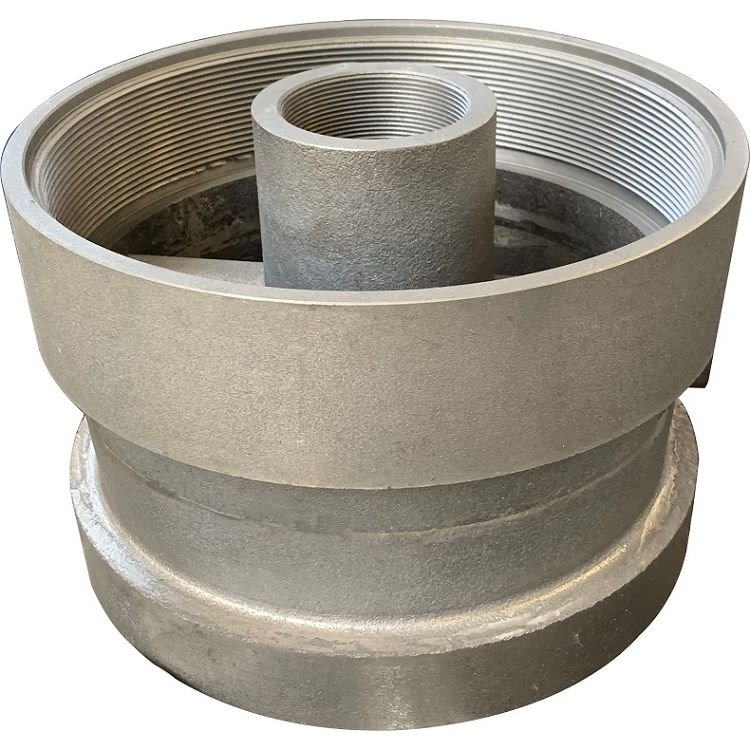
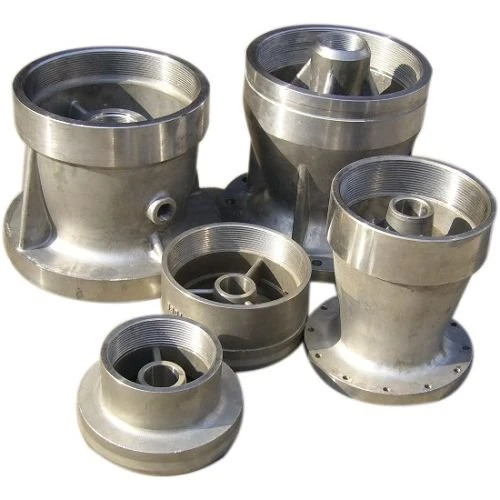
As a supplier of pump discharge products, I understand the importance of providing high-quality products that are suitable for a wide range of applications. Our Stainless Steel Pump Discharge and Cast Iron Pump Discharge products are designed to meet the diverse needs of our customers in various industries.
Water Supply and Distribution
In water supply and distribution systems, pumps are used to move water from a source, such as a well or a reservoir, to consumers. The pump head and discharge requirements in these systems depend on factors like the distance the water needs to travel, the elevation difference, and the demand for water. Our pump discharge products are designed to provide reliable and efficient performance in these applications, ensuring a continuous supply of clean water to homes, businesses, and industries.
Irrigation
Irrigation systems rely on pumps to deliver water to crops and landscapes. The pump head and discharge requirements in irrigation systems depend on factors like the size of the area to be irrigated, the type of crops being grown, and the irrigation method used. Our pump discharge products are suitable for a variety of irrigation applications, from small-scale residential gardens to large-scale agricultural farms.
Industrial Processes
In industrial processes, pumps are used to move fluids such as chemicals, oil, and gas. The pump head and discharge requirements in these applications depend on the specific process requirements, such as the pressure and flow rate needed to transport the fluid. Our pump discharge products are designed to withstand the harsh conditions of industrial environments and provide reliable performance in a wide range of applications.
Conclusion
In conclusion, the relationship between pump head and pump discharge is a fundamental concept in the field of pumping systems. Understanding this relationship is essential for anyone involved in the selection, operation, or maintenance of pumps. By considering factors like pump design, fluid properties, and system resistance, you can optimize the performance of your pumping system and ensure its long-term reliability.
As a supplier of high-quality pump discharge products, we are committed to providing our customers with the information and support they need to make informed decisions about their pumping systems. Whether you are looking for a Stainless Steel Pump Discharge or a Cast Iron Pump Discharge, we have the products and expertise to meet your needs.
If you have any questions or would like to discuss your specific requirements, please don't hesitate to contact us. We look forward to working with you to find the best solutions for your pumping applications.
References
- Pump Handbook, Karassik et al.
- Fluid Mechanics, Frank White
- Pump Performance and Selection, Hydraulic Institute