Hey there! As a supplier of submersible pumps, I often get asked a ton of questions about where and how these pumps can be used. One question that pops up quite frequently is, "Can a submersible pump be used in a swimming pool?" Well, let's dive right into this topic and find out.
First off, let's understand what a submersible pump is. A submersible pump is designed to be fully submerged in water. It works by pushing water to the surface instead of pulling it, which is a pretty cool and efficient way to move water around. These pumps come in different shapes, sizes, and capabilities, each tailored for specific tasks.
Now, back to the swimming pool question. The short answer is yes, a submersible pump can definitely be used in a swimming pool. But there are a few things you need to consider before making that decision.
Advantages of Using a Submersible Pump in a Swimming Pool
1. Efficient Water Circulation
One of the main benefits of using a submersible pump in a pool is its ability to provide efficient water circulation. Proper water circulation is crucial for maintaining a clean and healthy swimming pool. It helps to distribute chemicals evenly throughout the pool, preventing the formation of algae and other contaminants in stagnant areas.
A submersible pump can be placed at the bottom of the pool, which allows it to draw water from all levels. This ensures that the entire volume of water in the pool is constantly moving and being filtered.
2. Quiet Operation
Unlike some above - ground pumps that can be quite noisy, submersible pumps operate quietly. Since they are submerged in water, the water acts as a natural sound insulator. This means you can enjoy a peaceful swim without the constant hum of a loud pump in the background.
3. Space - Saving
If you have a small backyard or limited space around your pool, a submersible pump is a great option. It doesn't require a large above - ground housing or a dedicated pump room. You can simply place it in the pool, and it takes up very little space.
Types of Submersible Pumps Suitable for Swimming Pools
1. Standard Submersible Pool Pumps
These pumps are specifically designed for swimming pools. They are built to handle the volume of water in a pool and are equipped with features like self - priming and easy installation. They usually come with a strainer basket to catch large debris before it enters the pump, protecting the internal components.
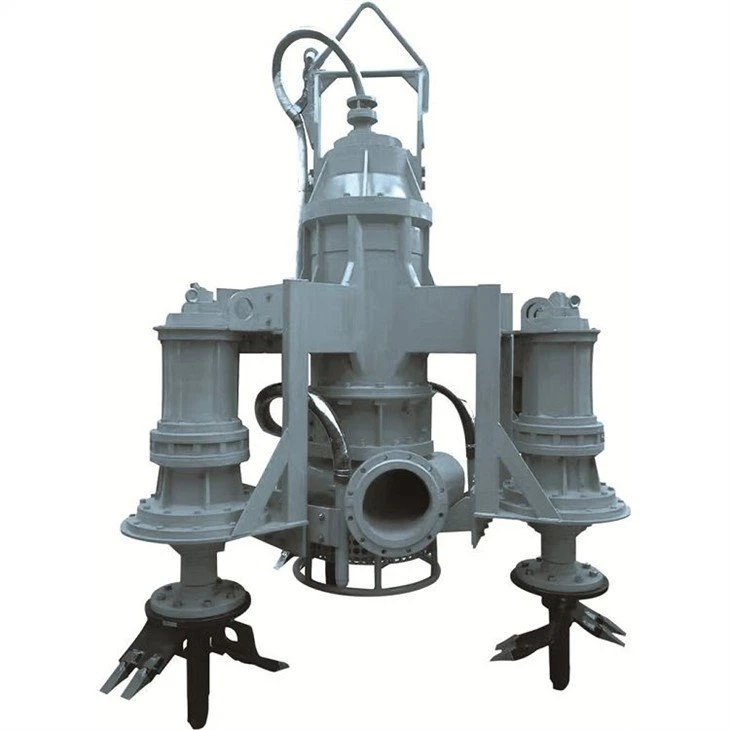
2. Submersible Slurry Pump
Although primarily used for handling abrasive materials like slurry, a submersible slurry pump can also be used in a pool in certain situations. For example, if your pool has a lot of sediment or debris on the bottom, a slurry pump can be effective in removing it. However, you need to make sure that the pump is properly sized for your pool and that it can handle the type of debris present.
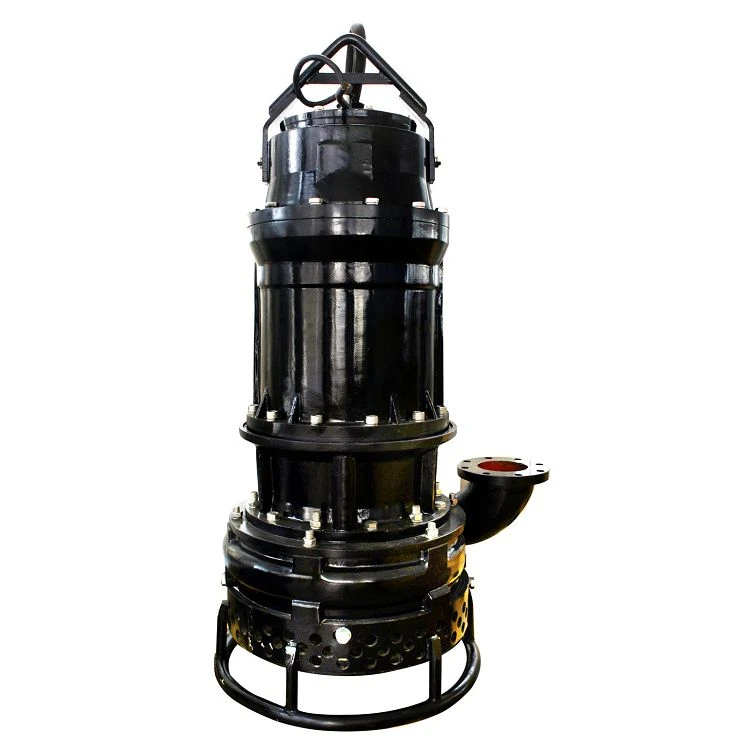
3. Mine Flameproof Submersible Sand Pump
This type of pump is designed to handle sand and other heavy - duty materials. In a pool, it can be useful if you have a sandy bottom or if there is a significant amount of sand and dirt in the water. It is built to be durable and can withstand the harsh conditions of pumping sand - laden water.
Factors to Consider Before Using a Submersible Pump in a Pool
1. Pool Size
The size of your pool is a crucial factor when choosing a submersible pump. You need to make sure that the pump has the capacity to circulate the entire volume of water in your pool within a reasonable time. A pump that is too small will not be able to provide adequate circulation, while a pump that is too large can be energy - inefficient and may cause unnecessary wear and tear on the pump.
2. Water Chemistry
The chemicals used in a swimming pool can have an impact on the pump. Some chemicals can be corrosive, so you need to choose a pump that is made of materials that can withstand the pool's water chemistry. For example, pumps with stainless steel or corrosion - resistant plastic components are often a good choice for pools.
3. Maintenance
Like any other equipment, a submersible pump requires regular maintenance. You need to clean the strainer basket regularly to prevent clogging. You also need to check the pump's impeller and other internal components for wear and tear. If you're not comfortable doing the maintenance yourself, you may need to hire a professional.
The Role of the Submersible Motor
The submersible motor is the heart of the submersible pump. It provides the power needed to drive the pump's impeller and move the water. When choosing a submersible pump for your pool, it's important to consider the motor's power and efficiency.
A high - quality submersible motor will be energy - efficient, which can save you money on your electricity bills in the long run. It will also be reliable and have a long lifespan, reducing the need for frequent replacements.
Conclusion
In conclusion, a submersible pump can be a great addition to your swimming pool. It offers efficient water circulation, quiet operation, and space - saving benefits. However, you need to carefully consider factors like pool size, water chemistry, and maintenance before making a decision.
If you're thinking about using a submersible pump in your pool or if you have any questions about which pump is right for you, don't hesitate to reach out. As a submersible pump supplier, I'm here to help you find the perfect solution for your pool. Whether you need a standard pool pump, a slurry pump, or a sand pump, I can provide you with the best products and advice. Let's start a conversation about your pool's pumping needs and get you on the path to a clean and healthy swimming pool.
References
- "Swimming Pool Maintenance Handbook" by Pool Care Experts
- Manufacturer's guides for submersible pumps