In the realm of industrial automation and fluid management, the pump control panel stands as a pivotal component that interfaces with various control systems to ensure the efficient and reliable operation of pumping systems. As a dedicated Pump Control Panel Pump Control Panel supplier, I have witnessed firsthand the intricate interactions between pump control panels and other control systems. This blog post aims to delve into the details of these interactions, shedding light on how they contribute to the overall performance of industrial processes.
Understanding the Basics of Pump Control Panels
Before exploring the interactions, it is essential to understand the fundamental functions of a pump control panel. A pump control panel is a centralized unit that houses electrical components and controls for one or more pumps. Its primary role is to manage the start, stop, and speed of pumps based on predefined conditions such as pressure, flow rate, and liquid level. By doing so, it ensures that the pumping system operates within safe and efficient parameters.
Pump control panels are typically equipped with a variety of components, including motor starters, contactors, relays, circuit breakers, and programmable logic controllers (PLCs). These components work together to monitor and control the pumps, providing protection against overloads, short circuits, and other electrical faults. Additionally, modern pump control panels often feature advanced communication capabilities, allowing them to interface with other control systems and transmit data for remote monitoring and control.
Interactions with PLC - Based Control Systems
One of the most common types of interactions occurs between pump control panels and PLC - based control systems. PLCs are widely used in industrial automation due to their flexibility, reliability, and ease of programming. When a pump control panel is integrated with a PLC - based system, the PLC can send commands to the pump control panel to start or stop the pumps, adjust their speed, or perform other control functions.
For example, in a water treatment plant, the PLC may monitor the water level in a storage tank. When the water level drops below a certain threshold, the PLC sends a signal to the pump control panel to start the pumps and refill the tank. Conversely, when the water level reaches the desired level, the PLC sends a stop signal to the pump control panel. This real - time interaction ensures that the water level in the tank is maintained within the optimal range.
The communication between the pump control panel and the PLC can be achieved through various means, such as hard - wired connections or industrial communication protocols like Modbus, Profibus, or Ethernet/IP. These protocols allow for the seamless exchange of data between the two systems, enabling precise control and monitoring of the pumping process.
Integration with SCADA Systems
Supervisory Control and Data Acquisition (SCADA) systems are another important type of control system that pump control panels often interact with. SCADA systems are used to monitor and control large - scale industrial processes from a central location. They provide operators with a graphical user interface (GUI) that displays real - time data from various sensors and control devices, including pump control panels.
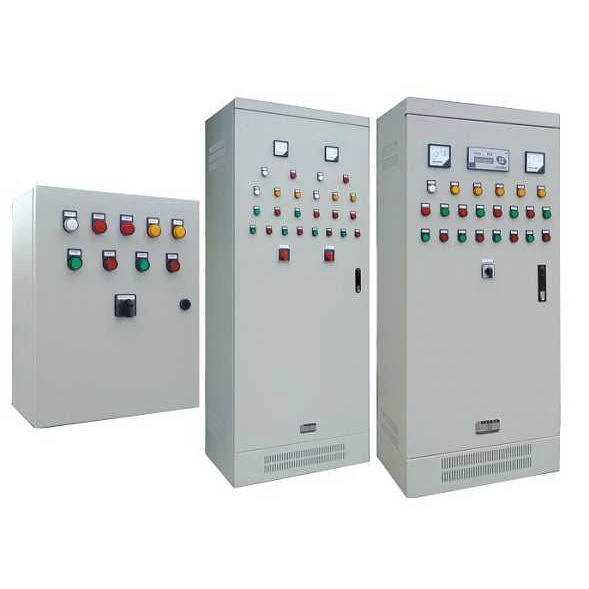
When a pump control panel is integrated with a SCADA system, the SCADA system can collect data such as pump status (running, stopped, or in alarm), motor current, and pressure readings from the pump control panel. This data is then presented on the SCADA GUI, allowing operators to monitor the performance of the pumps and take appropriate actions if necessary.
For instance, in an oil and gas pipeline system, the SCADA system can continuously monitor the pressure and flow rate of the pipeline. If the pressure drops below a safe level, indicating a possible leak or blockage, the SCADA system can send an alarm to the operators. At the same time, it can communicate with the pump control panel to adjust the pump speed or shut down the pumps to prevent further damage.
Interaction with Building Automation Systems
In commercial and residential buildings, pump control panels also interact with building automation systems (BAS). BAS are used to manage and control various building systems, such as heating, ventilation, and air conditioning (HVAC), lighting, and water supply. Pump control panels play a crucial role in the water supply and circulation systems of buildings.
For example, in a large office building, the BAS may monitor the water pressure in the plumbing system. If the pressure is too low, the BAS sends a signal to the pump control panel to start the booster pumps. The pump control panel then activates the pumps and adjusts their speed to maintain the desired water pressure throughout the building.
The integration of pump control panels with BAS can also improve energy efficiency. By coordinating the operation of pumps with other building systems, the BAS can optimize the use of energy and reduce operating costs. For instance, during periods of low water demand, the BAS can reduce the speed of the pumps or shut them down temporarily.
Benefits of Interactions between Pump Control Panels and Other Control Systems
The interactions between pump control panels and other control systems offer several significant benefits. Firstly, they enhance the efficiency of pumping systems. By precisely controlling the start, stop, and speed of pumps based on real - time conditions, these interactions ensure that pumps operate at their optimal efficiency, reducing energy consumption and wear and tear on the equipment.
Secondly, they improve the reliability and safety of industrial processes. The ability to monitor and control pumps in real - time allows for early detection of faults and malfunctions. For example, if a pump is overheating or experiencing an electrical fault, the control system can immediately shut down the pump to prevent damage and ensure the safety of the operators and the equipment.
Thirdly, these interactions provide better visibility and control for operators. Through the use of graphical user interfaces and remote monitoring capabilities, operators can easily monitor the performance of pumps from a central location. They can also access historical data and generate reports, which can be used for maintenance planning and performance analysis.
Challenges in Interactions
While the interactions between pump control panels and other control systems offer many benefits, there are also some challenges that need to be addressed. One of the main challenges is the compatibility of different control systems. Different manufacturers may use different communication protocols and interfaces, which can make it difficult to integrate pump control panels with other control systems.
Another challenge is the complexity of programming and configuration. Integrating a pump control panel with other control systems often requires specialized knowledge and skills. Incorrect programming or configuration can lead to system malfunctions and performance issues.
Conclusion
In conclusion, the interaction between pump control panels and other control systems is a critical aspect of modern industrial automation and fluid management. As a Pump Control Panel supplier, I understand the importance of providing high - quality, reliable, and easily integrable pump control panels. These panels play a vital role in ensuring the efficient, reliable, and safe operation of pumping systems in various industries.
If you are in the market for a pump control panel or looking to integrate your existing pumping system with other control systems, I invite you to reach out for a detailed discussion. Our team of experts can provide you with customized solutions that meet your specific requirements. Whether you are involved in water treatment, oil and gas, or building automation, we have the expertise and experience to help you optimize your pumping processes.
References
- Smith, J. (2018). Industrial Automation: Principles and Applications. Publisher XYZ.
- Brown, A. (2019). Pump Control Systems: Design and Operation. Publisher ABC.
- Johnson, M. (2020). SCADA Systems: A Comprehensive Guide. Publisher DEF.