As a supplier of submersible pumps, I often encounter questions from clients about the diverse applications of our products. One of the most frequently asked questions is whether a submersible pump can be used in an oil - well. In this blog, I will explore this topic in detail, considering the technical aspects, advantages, challenges, and limitations.
Technical Feasibility
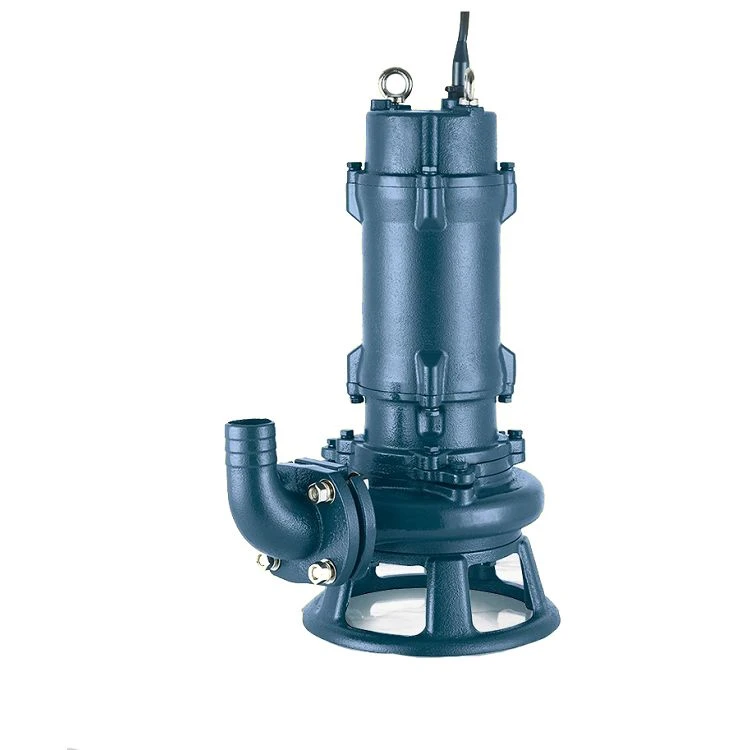
Submersible pumps are designed to operate while submerged in a fluid. They work on the principle of converting electrical energy into mechanical energy to move fluids. In an oil - well, the primary function of a pump is to lift oil from the reservoir to the surface. Technically, a submersible pump can be used for this purpose.
Most submersible pumps consist of a motor and an impeller. The motor drives the impeller, which creates a pressure difference that forces the fluid to move. For oil - well applications, the pump needs to be able to handle the high viscosity of oil and the high pressures typically found in oil reservoirs. Some submersible pumps are specifically designed with features that make them suitable for such conditions. For example, they may have larger impellers to handle the thicker fluid and more robust motors to withstand the high - pressure environment.
Advantages of Using Submersible Pumps in Oil - Wells
High Efficiency
Submersible pumps are generally more efficient than other types of pumps when it comes to lifting fluids from deep wells. Since they are located at the bottom of the well, they can directly push the oil upwards without having to overcome the frictional losses associated with long suction pipes. This results in less energy consumption and lower operating costs over time.
Space - Saving
In an oil - well setup, space is often a constraint. Submersible pumps are compact and can be easily installed inside the well casing. This eliminates the need for large surface - mounted pumping equipment, which can save a significant amount of space on the oil - well site.
Reduced Maintenance
Because submersible pumps are submerged in the fluid, they are less exposed to environmental factors such as dust, dirt, and weather conditions. This reduces the risk of mechanical wear and tear and extends the lifespan of the pump. Additionally, the design of submersible pumps often allows for easy maintenance, as many components can be accessed and replaced without having to remove the entire pump from the well.
Challenges and Limitations
High - Temperature and Corrosive Environment
Oil - wells can have extremely high temperatures and may contain corrosive substances such as hydrogen sulfide and carbon dioxide. These conditions can cause damage to the pump components, especially the motor and the impeller. To address this issue, submersible pumps used in oil - wells need to be made from materials that are resistant to high temperatures and corrosion, such as stainless steel or special alloys.
Viscosity Variations
The viscosity of oil can vary significantly depending on factors such as temperature, pressure, and the composition of the oil. A submersible pump that works well with low - viscosity oil may not be suitable for high - viscosity oil. Therefore, it is crucial to select a pump that can handle the specific viscosity range of the oil in the well.
Installation and Retrieval
Installing and retrieving a submersible pump from an oil - well can be a complex and costly process. Specialized equipment and techniques are required to ensure that the pump is properly installed and aligned. In case of pump failure, retrieving the pump for repair or replacement can also be time - consuming and expensive.
Types of Submersible Pumps Suitable for Oil - Wells
Mine Flameproof Submersible Sand Pump
Although originally designed for mining applications, some models of mine flameproof submersible sand pumps can be adapted for use in oil - wells. These pumps are built to handle abrasive materials, which can be beneficial in oil - wells where sand and other solid particles may be present. They are also flameproof, which is an important safety feature in oil - well environments where there is a risk of explosion.
Submersible Slurry Pump
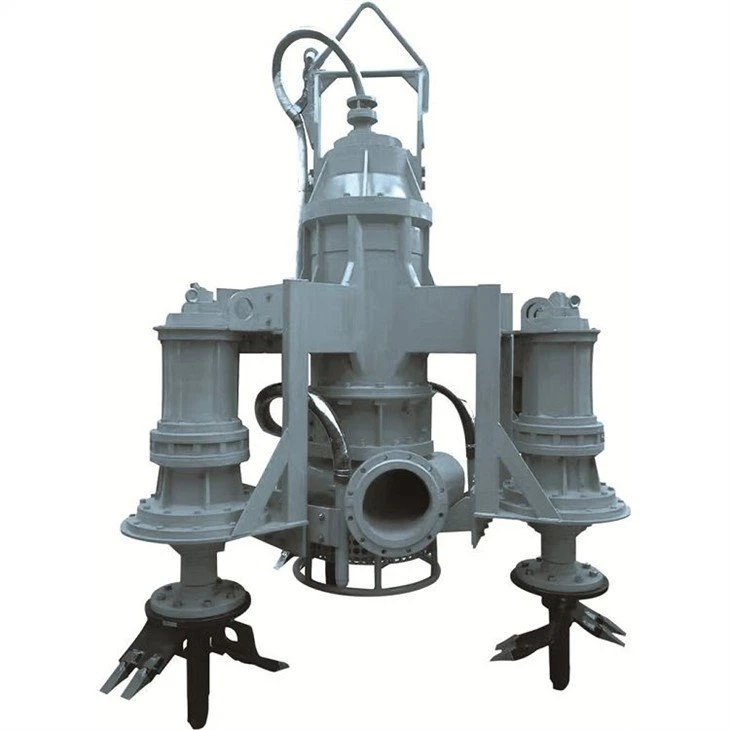
Submersible slurry pumps are designed to handle high - density fluids containing solid particles. In an oil - well, these pumps can be used to lift oil that has a high concentration of sand or other solids. They are typically more robust than standard submersible pumps and can withstand the abrasive nature of the fluid.
Submersible Sewage Pump
While submersible sewage pumps are mainly used for wastewater applications, some models can be used in oil - wells under certain conditions. These pumps are designed to handle large volumes of fluid and can be effective in lifting oil from shallow or medium - depth wells.
Conclusion
In conclusion, a submersible pump can be used in an oil - well, but it requires careful consideration of the technical requirements, advantages, challenges, and limitations. As a submersible pump supplier, we offer a range of pumps that can be customized to meet the specific needs of oil - well applications. Our team of experts can provide guidance on selecting the right pump for your oil - well, taking into account factors such as the depth of the well, the viscosity of the oil, and the presence of solid particles.
If you are interested in purchasing a submersible pump for your oil - well or have any questions about our products, please feel free to contact us. We are committed to providing high - quality pumps and excellent customer service to help you achieve optimal performance in your oil - well operations.
References
- Smith, J. (2018). Handbook of Pump Technology. New York: Wiley.
- Johnson, R. (2019). Oil - Well Pumping Systems. Houston: Gulf Publishing.
- Brown, A. (2020). Submersible Pump Applications in Harsh Environments. London: Elsevier.