As a seasoned supplier of submersible pumps, I've witnessed firsthand the pivotal role that control panels play in submersible pump systems. These unassuming yet critical components are the nerve center of the entire setup, orchestrating operations with precision and ensuring optimal performance. In this blog, I'll delve into the various functions and significance of control panels in submersible pump systems.
1. Monitoring and Protection
One of the primary roles of a control panel in a submersible pump system is to monitor the pump's operation and protect it from potential damage. Through a series of sensors and relays, the control panel keeps a close eye on key parameters such as temperature, pressure, and current.
For instance, if the temperature of the Submersible Motor rises above a safe level, the control panel can automatically shut down the pump to prevent overheating and potential motor failure. Similarly, if the pressure in the system exceeds the set limit, the control panel can activate safety valves or adjust the pump's speed to maintain a stable pressure.
By continuously monitoring these parameters, the control panel acts as a safeguard, extending the lifespan of the pump and reducing the risk of costly repairs. This level of protection is especially crucial in industrial settings where downtime can result in significant financial losses.
2. Control and Automation
Control panels provide a user-friendly interface for operators to control the submersible pump system. They allow for easy adjustment of pump speed, start and stop functions, and other operational parameters. This manual control feature is useful for routine maintenance, system testing, and emergency situations.
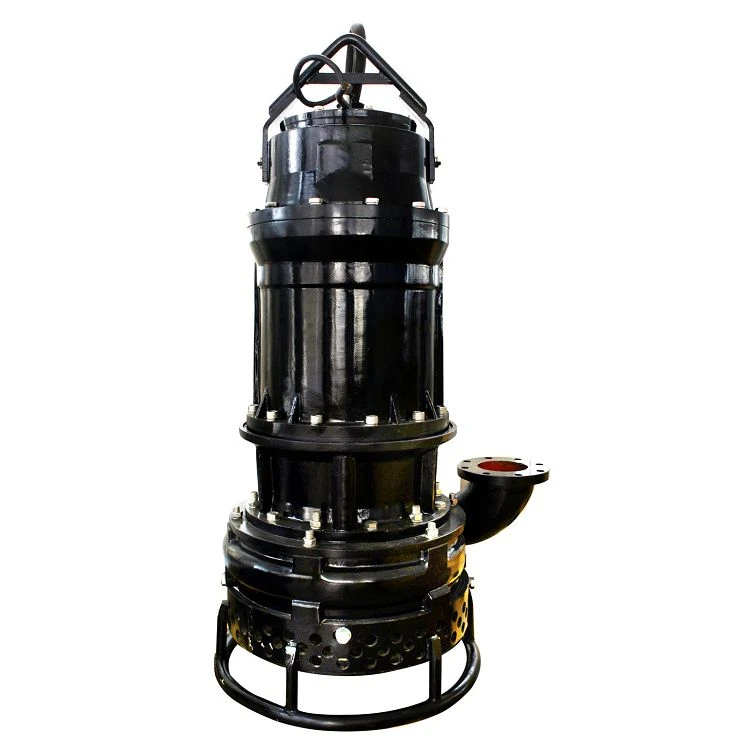
Moreover, modern control panels are equipped with advanced automation capabilities. They can be programmed to operate the pump based on predefined schedules or in response to specific conditions. For example, in a wastewater treatment plant, the control panel can be set to start the Submersible Slurry Pump when the water level in the tank reaches a certain height and stop it when the level drops below a specified point.
Automation not only improves the efficiency of the pump system but also reduces the need for constant manual supervision. It ensures that the pump operates at the optimal level, saving energy and reducing wear and tear on the equipment.
3. Fault Diagnosis and Alarm Systems
When a problem occurs in the submersible pump system, the control panel can quickly identify the root cause through its fault diagnosis capabilities. It analyzes the data collected from the sensors and compares it to the normal operating parameters. If a deviation is detected, the control panel can display an error code on its interface, indicating the nature of the problem.
In addition to fault diagnosis, control panels are also equipped with alarm systems. These alarms can be audible, visual, or both, alerting operators to potential issues in real-time. For example, if the motor current exceeds the rated value, the control panel can trigger an alarm, notifying the operator to take immediate action.
The ability to diagnose faults and issue alarms promptly is essential for minimizing downtime and preventing further damage to the pump system. It allows operators to address problems before they escalate, ensuring the continuous operation of the system.
4. Integration with Other Systems
Control panels in submersible pump systems can be integrated with other systems, such as SCADA (Supervisory Control and Data Acquisition) systems and building management systems. This integration enables remote monitoring and control of the pump system from a central location.
Through the integration with SCADA systems, operators can access real-time data on the pump's performance, including flow rate, pressure, and energy consumption. They can also remotely adjust the pump's settings and receive alerts in case of any abnormalities. This remote monitoring and control capability is particularly useful for large-scale pumping systems spread across multiple locations.
Similarly, integration with building management systems allows the submersible pump system to be coordinated with other building services, such as HVAC (Heating, Ventilation, and Air Conditioning) systems and lighting systems. This integration ensures the overall efficiency and functionality of the building.
5. Energy Efficiency
Energy efficiency is a major concern in today's world, and control panels play a significant role in optimizing the energy consumption of submersible pump systems. By adjusting the pump's speed based on the actual demand, the control panel can reduce energy waste and lower operating costs.

For example, in a water supply system, the control panel can vary the speed of the pump according to the water demand. During periods of low demand, the pump can operate at a lower speed, consuming less energy. Conversely, during peak demand, the pump can increase its speed to meet the required flow rate.
In addition to speed control, control panels can also implement other energy-saving strategies, such as power factor correction and soft starting. These features help to improve the overall energy efficiency of the pump system, making it more environmentally friendly and cost-effective.
Conclusion
In conclusion, the control panel is an indispensable component of a submersible pump system. It plays a crucial role in monitoring and protecting the pump, controlling its operation, diagnosing faults, integrating with other systems, and improving energy efficiency. As a supplier of submersible pumps, I understand the importance of providing high-quality control panels that meet the specific needs of our customers.
If you're in the market for a submersible pump system or looking to upgrade your existing one, I encourage you to reach out to us. Our team of experts can help you select the right control panel and pump combination for your application. Whether you need a Submersible Slurry Pump for industrial use or a Mine Flameproof Submersible Sand Pump for mining operations, we have the solution for you. Contact us today to discuss your requirements and take the first step towards a more efficient and reliable pumping system.
References
- Hydraulic Institute. (2016). ANSI/HI 1.1 - 1.6-2016 Rotodynamic Pumps - Design and Application.
- Pump Handbook (4th Edition). Karassik, I. J., Messina, J. P., Cooper, P., & Heald, C. C. (Eds.). (2008). McGraw - Hill.
- Control and Automation of Pumping Systems. Pump Systems Matter. (2023). Retrieved from various industry - specific research materials.