Can Ductile Iron Casting be welded?
Hey there! I'm a supplier of Ductile Iron Casting, and I often get asked if ductile iron casting can be welded. Well, the short answer is yes, but it's not as straightforward as welding some other materials. Let's dive into the details.
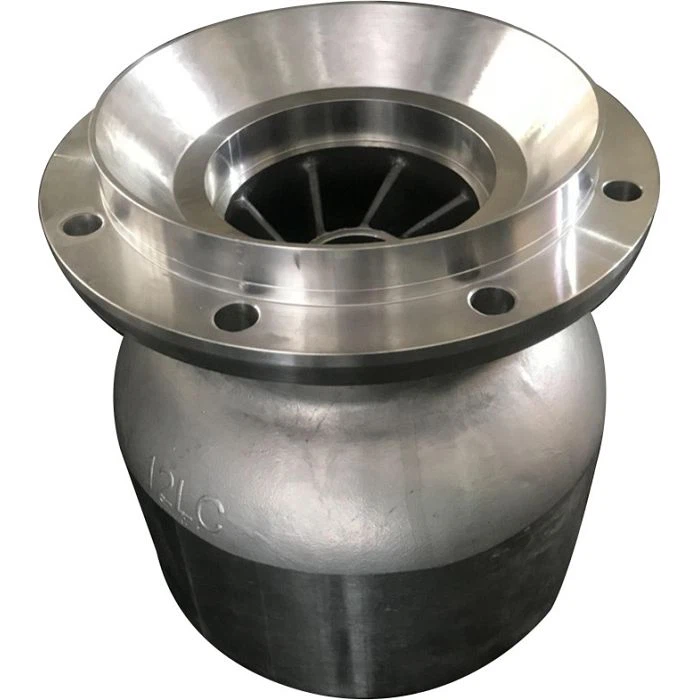
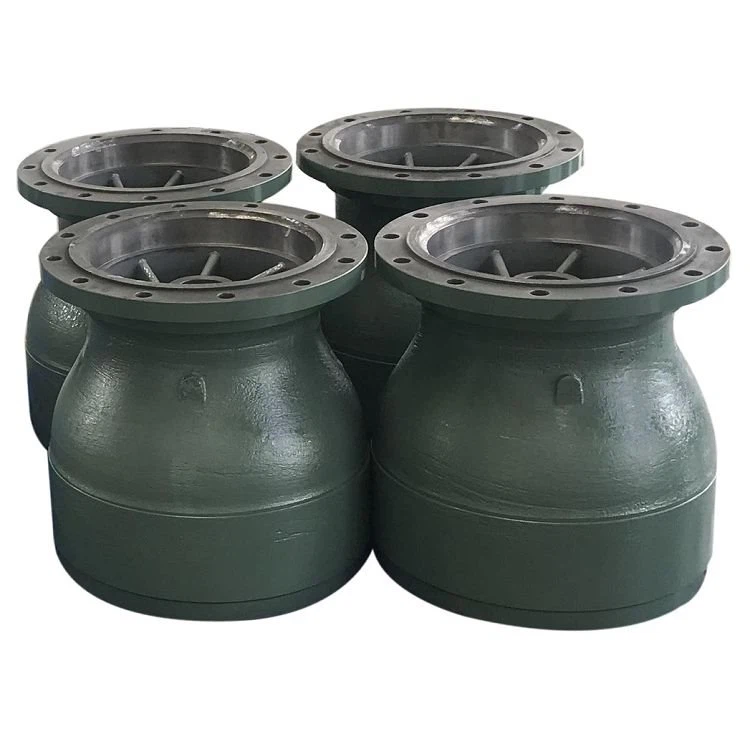
Understanding Ductile Iron Casting
First off, let's talk a bit about what ductile iron casting is. Ductile iron, also known as nodular or spheroidal graphite iron, is a type of cast iron. It's got graphite in the form of tiny spheres, which gives it some pretty cool properties. It's stronger and more ductile than regular gray cast iron. That means it can bend a bit before it breaks, making it super useful in a bunch of applications, like pipes, automotive parts, and Wear Resistant Pump Parts.
The Challenges of Welding Ductile Iron Casting
Now, when it comes to welding ductile iron, there are a few challenges. One of the biggies is the high carbon content. Ductile iron has more carbon than, say, Stainless Steel Pump Casting. When you heat it up during welding, that carbon can cause some problems. It can lead to the formation of hard and brittle zones in the heat - affected zone (HAZ). These brittle zones are more likely to crack, which is obviously not good.
Another issue is the presence of graphite. During welding, the graphite can react with the molten metal, causing porosity in the weld. Porosity means there are tiny holes in the weld, which can weaken it and reduce its integrity.
Welding Methods for Ductile Iron Casting
Despite these challenges, there are ways to weld ductile iron successfully.
Shielded Metal Arc Welding (SMAW)
SMAW is a common method. You use a special electrode designed for ductile iron. These electrodes usually have a coating that helps to control the chemical reactions during welding. They can also help to reduce the formation of those brittle zones. But you need to be careful with the welding parameters, like the current and the travel speed. If you go too fast or use too much current, you can still end up with a bad weld.
Gas Tungsten Arc Welding (GTAW)
GTAW, also known as TIG welding, is another option. It gives you more control over the welding process. You can use a filler metal that matches the composition of the ductile iron. This helps to minimize the differences between the base metal and the weld metal. GTAW is great for small, precise welds, but it's a bit slower than SMAW.
Gas Metal Arc Welding (GMAW)
GMAW, or MIG welding, can also be used for ductile iron. It's faster than GTAW, but it can be a bit more difficult to control. You need to use the right shielding gas and filler wire. The shielding gas protects the weld from the atmosphere, and the filler wire provides the material for the weld.
Pre - Welding and Post - Welding Procedures
To increase the chances of a successful weld, you need to do some pre - welding and post - welding procedures.
Pre - Welding
Before you start welding, you should clean the surface of the ductile iron casting. Any dirt, oil, or rust can contaminate the weld. You can use a wire brush or a chemical cleaner to get the surface clean. You might also need to preheat the casting. Preheating helps to slow down the cooling rate of the weld, which reduces the formation of those brittle zones. The preheating temperature depends on the thickness of the casting and the welding method you're using.
Post - Welding
After welding, you should let the casting cool slowly. You can use an insulating blanket or put it in an oven to control the cooling rate. You might also need to do some post - weld heat treatment. This can help to relieve the stresses in the weld and the HAZ, making the weld stronger and more ductile.
Applications of Welded Ductile Iron Casting
Welded ductile iron casting has a lot of applications. In the automotive industry, it can be used to repair engine blocks or other components. In the construction industry, it can be used to fix or modify structural parts. And in the pump industry, it can be used to repair or improve Wear Resistant Pump Parts.
Conclusion
So, can ductile iron casting be welded? Absolutely! But it requires some knowledge, the right equipment, and proper procedures. If you're thinking about welding ductile iron, make sure you understand the challenges and take the necessary steps to ensure a successful weld.
If you're in the market for high - quality ductile iron casting or have questions about welding it, don't hesitate to reach out. We're here to help you with all your casting needs and can provide expert advice on welding and using our products. Whether you need Ductile Iron Casting for a small project or a large - scale industrial application, we've got you covered. Let's start a conversation and see how we can work together!
References
- "Welding of Cast Irons" by The Welding Institute
- "Metallurgy of Welding" by Richard W. Messler Jr.
- Industry standards and guidelines related to ductile iron casting and welding.