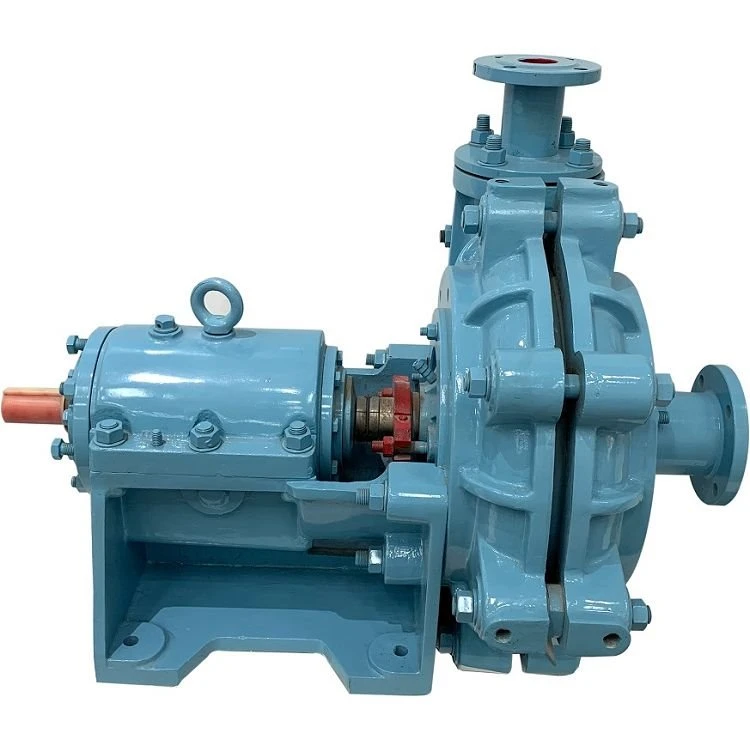
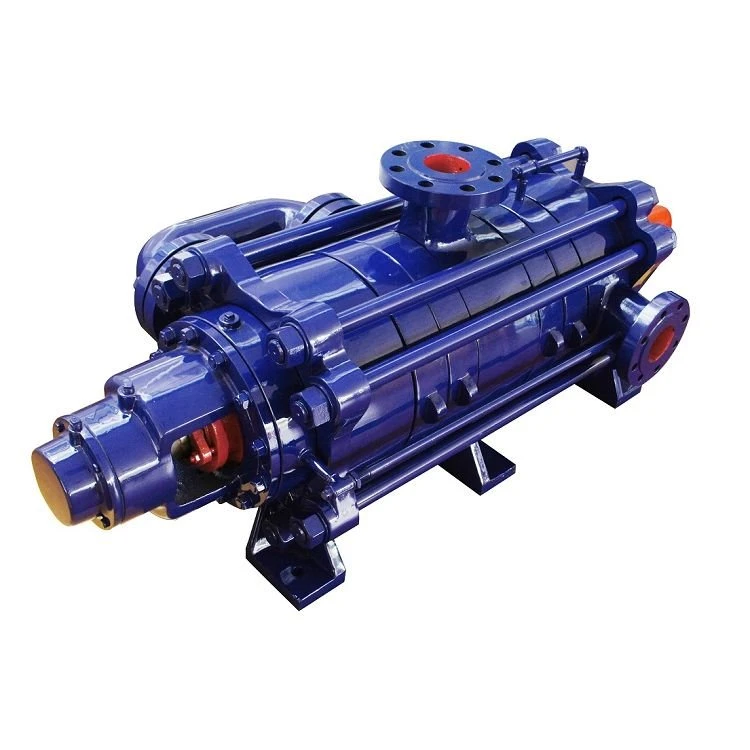
As a seasoned supplier of Slurry Pumps, I've witnessed firsthand the challenges that come with operating these robust machines. One of the most common and potentially damaging issues is overheating. In this blog, I'll share some insights on how to handle the overheating problem of a slurry pump, drawing from my years of experience in the industry.
Understanding the Causes of Slurry Pump Overheating
Before we delve into solutions, it's crucial to understand what causes a slurry pump to overheat. There are several factors that can contribute to this issue:
1. High Viscosity of the Slurry
Slurries with high viscosity require more energy to pump. When the pump has to work harder to move the thick fluid, it generates more heat. This can be exacerbated if the slurry contains large particles or abrasive materials, which increase the friction within the pump.
2. Insufficient Lubrication
Proper lubrication is essential for the smooth operation of a slurry pump. Without adequate lubrication, the moving parts of the pump can rub against each other, generating heat. This can lead to premature wear and tear, and eventually, pump failure.
3. Blockages in the Pump
Blockages in the pump can restrict the flow of the slurry, causing the pump to work harder and generate more heat. Blockages can be caused by debris, large particles, or even air bubbles in the slurry.
4. Overloading the Pump
Operating the pump beyond its recommended capacity can also cause overheating. When the pump is overloaded, it has to work harder to maintain the flow rate, which can lead to increased heat generation.
5. Poor Cooling System
A malfunctioning or inadequate cooling system can prevent the pump from dissipating heat effectively. This can be due to a faulty cooling fan, a clogged radiator, or a leak in the cooling system.
How to Handle the Overheating Problem
1. Check the Slurry Viscosity
If you suspect that high viscosity is causing the overheating, you can try diluting the slurry with water. However, be careful not to dilute it too much, as this can affect the performance of the pump. You can also consider using a pump with a higher capacity or a different impeller design that is better suited for handling high-viscosity slurries.
2. Ensure Proper Lubrication
Regularly check the lubrication levels in the pump and top up as needed. Use the recommended lubricant for your pump, and follow the manufacturer's guidelines for lubrication intervals. If you notice any signs of lubricant leakage or contamination, address the issue immediately.
3. Clear Blockages
If you suspect a blockage in the pump, stop the pump immediately and inspect it for debris or other obstructions. Use a suitable tool to remove the blockage, and flush the pump with clean water to ensure that all debris has been removed.
4. Avoid Overloading the Pump
Make sure that you are operating the pump within its recommended capacity. Check the pump's specifications and adjust the flow rate or pressure as needed. If you need to increase the flow rate, consider using a larger pump or adding additional pumps in parallel.
5. Maintain the Cooling System
Regularly inspect the cooling system for any signs of damage or malfunction. Clean the cooling fan and radiator to ensure proper airflow, and check for any leaks in the cooling system. If necessary, replace any faulty components.
Preventive Measures
In addition to addressing the overheating problem when it occurs, it's also important to take preventive measures to avoid overheating in the first place. Here are some tips:
1. Regular Maintenance
Schedule regular maintenance for your slurry pump to ensure that it is in good working condition. This includes checking the lubrication levels, inspecting the pump for wear and tear, and cleaning the pump and its components.
2. Monitor the Pump Performance
Keep an eye on the pump's performance parameters, such as flow rate, pressure, and temperature. If you notice any significant changes in these parameters, investigate the cause immediately.
3. Train Your Operators
Make sure that your operators are properly trained on how to operate the slurry pump safely and efficiently. This includes understanding the pump's specifications, following the recommended operating procedures, and knowing how to identify and address potential problems.
4. Use High-Quality Components
Invest in high-quality components for your slurry pump, such as impellers, bearings, and seals. These components are more durable and less likely to fail, which can help prevent overheating and other problems.
Conclusion
Overheating is a common problem that can affect the performance and lifespan of a slurry pump. By understanding the causes of overheating and taking appropriate measures to address and prevent it, you can ensure that your pump operates efficiently and reliably. As a Slurry Pump supplier, we are committed to providing our customers with high-quality pumps and comprehensive support to help them overcome any challenges they may face. If you have any questions or need further assistance with your slurry pump, please don't hesitate to contact us. We look forward to working with you to find the best solutions for your pumping needs.
References
- "Centrifugal Pumps: Design and Application" by Igor J. Karassik et al.
- "Slurry Pumping Applications Handbook" by Michael S. Addie et al.
- Manufacturer's manuals and technical documentation for slurry pumps.