Hey there! As a supplier of Sea Water Pump Parts, I often get asked if generic parts can be used as an alternative to sea water pump parts. It's a valid question, especially when you're looking to save some bucks or facing a shortage of the original parts. So, let's dive right in and explore this topic.
Understanding Sea Water Pump Parts
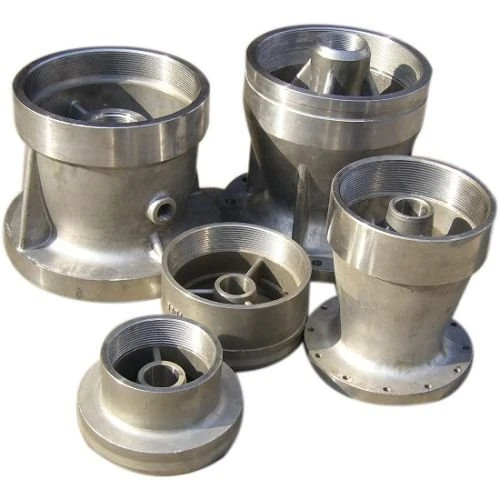
First off, let's talk a bit about sea water pumps and their parts. Sea water pumps are designed to handle the unique challenges posed by seawater, which is highly corrosive due to its high salt content. The parts in these pumps, like the Pump Shaft, impellers, and casings, are made from special materials that can withstand this harsh environment.
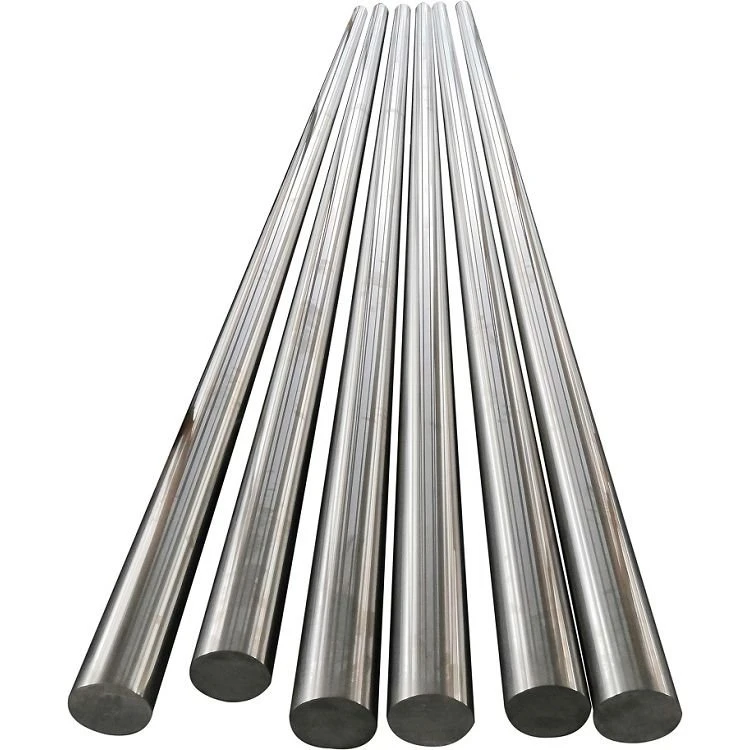
For example, the pump shaft needs to be strong enough to transfer power from the motor to the impeller, while also resisting corrosion. That's why it's often made from stainless steel or other corrosion - resistant alloys. The impellers are designed to efficiently move the seawater through the pump, and they too need to be made from materials that won't break down easily in saltwater.
The Appeal of Generic Parts
Now, let's look at why someone might consider using generic parts. The main reason is usually cost. Generic parts are often cheaper than the original equipment manufacturer (OEM) parts. If you're on a tight budget or running a small operation, those cost savings can be pretty appealing.
Another reason is availability. Sometimes, the OEM parts might be out of stock or have a long lead time. In such cases, generic parts can be a quick fix to get your pump up and running again.
The Downsides of Using Generic Parts
However, there are some significant downsides to using generic parts as an alternative to sea water pump parts.
Material Quality
One of the biggest issues is the material quality. Generic parts might not be made from the same high - quality, corrosion - resistant materials as the OEM parts. Seawater is tough on equipment, and if the parts aren't up to the task, they'll corrode and wear out much faster. This means you'll end up replacing the parts more frequently, which can actually end up costing you more in the long run.
For instance, a generic pump shaft might be made from a lower - grade steel that rusts quickly in seawater. Once the shaft starts to corrode, it can affect the pump's performance, leading to reduced efficiency and potentially even pump failure.
Fit and Compatibility
Another problem is fit and compatibility. Sea water pumps are precision - engineered machines, and the parts need to fit together perfectly. Generic parts might not have the exact same dimensions or specifications as the OEM parts. This can lead to issues like leaks, vibrations, and premature wear on other components.
Let's say you try to use a generic impeller in your sea water pump. If it's not the right size or shape, it won't work as efficiently as the original impeller. This can cause the pump to work harder, using more energy and potentially overheating.
Performance and Reliability
Using generic parts can also affect the overall performance and reliability of your sea water pump. OEM parts are designed and tested to work together to provide optimal performance. When you start swapping in generic parts, you're taking a risk that the pump won't perform as well as it should.
A pump that's not performing at its best can lead to all sorts of problems, from reduced water flow to complete breakdowns. And in a marine environment, a pump failure can be a real headache, whether you're on a boat or running a coastal industrial facility.
Case Studies
I've seen firsthand the consequences of using generic parts in sea water pumps. One of my customers, a small fishing boat owner, decided to save some money by using generic parts in his bilge pump. At first, everything seemed fine, but after a few weeks, the pump started making strange noises and the water flow was reduced.
When he brought the pump to me for repair, we found that the generic impeller had corroded and was no longer functioning properly. Replacing the impeller with an OEM part fixed the problem, but he had wasted time and money on the generic part in the first place.
Making the Right Decision
So, should you use generic parts as an alternative to sea water pump parts? Well, it depends on your situation. If you're in a pinch and need a quick fix, and the generic part is a good match in terms of fit and material quality, it might be worth considering. But in most cases, I'd recommend sticking with the OEM parts.
The long - term reliability and performance of your sea water pump are worth the extra investment. And as a Sea Water Pump Parts supplier, I can help you find the right parts at a reasonable price.
Why Choose Our Sea Water Pump Parts
As a supplier, we take pride in offering high - quality sea water pump parts. Our parts are made from the best materials, ensuring they can withstand the harsh marine environment. We also have a wide range of parts in stock, so you don't have to wait long to get your pump up and running.
Our team of experts is always available to help you choose the right parts for your specific pump. Whether you need a Pump Shaft or an impeller, we can provide you with the right advice and support.
Contact Us for Your Sea Water Pump Parts Needs
If you're in the market for sea water pump parts, don't hesitate to get in touch. We're here to help you keep your pumps running smoothly and efficiently. Whether you have questions about our products, need advice on part selection, or want to place an order, we're just a message or a call away.
Let's work together to ensure your sea water pumps are always in top - notch condition.
References
- Smith, J. (2020). "The Importance of Quality Parts in Marine Pumps." Marine Engineering Journal, Vol. 15, Issue 2.
- Johnson, R. (2019). "Corrosion Resistance in Sea Water Pump Components." Materials Science Review, Vol. 22, Issue 3.