A pump control panel is a crucial component in any pumping system, responsible for managing and regulating the operation of pumps. As a professional Pump Control Panel supplier, I am excited to share insights into how these panels work, their significance, and their role in various applications.
Basic Components of a Pump Control Panel
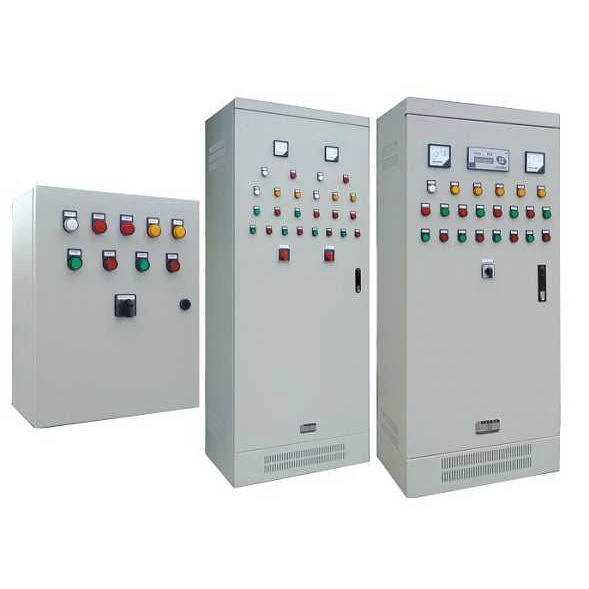
Before delving into how a pump control panel works, it's essential to understand its basic components. A typical pump control panel consists of several key elements:
- Circuit Breakers: These act as safety devices, protecting the panel and the connected pumps from overcurrent situations. Circuit breakers automatically trip when the current exceeds a predefined limit, preventing damage to the equipment.
- Contactors: Contactors are electromechanical switches that control the flow of electrical power to the pumps. They are used to start, stop, and reverse the rotation of the pump motors.
- Relays: Relays are used to control the operation of other components in the panel. They can be used to monitor various parameters such as pressure, temperature, and level, and activate or deactivate the pumps accordingly.
- Programmable Logic Controllers (PLCs): PLCs are the brains of the pump control panel. They are used to automate the operation of the pumps based on predefined logic and setpoints. PLCs can be programmed to perform complex tasks such as pump sequencing, alarm monitoring, and data logging.
- Human - Machine Interface (HMI): The HMI provides a user - friendly interface for operators to monitor and control the pump system. It allows operators to view real - time data, set parameters, and receive alarms.
Working Principle of a Pump Control Panel
The operation of a pump control panel can be divided into several stages:
Power Supply and Protection
The pump control panel is connected to a power source, typically a three - phase electrical supply. The circuit breakers in the panel protect the system from short circuits and overcurrent conditions. When the power is turned on, the circuit breakers ensure that only the appropriate amount of current is supplied to the panel and its components.
Control Logic and Monitoring
The PLC in the pump control panel executes the control logic. This logic is based on the specific requirements of the pumping system. For example, in a water supply system, the PLC may be programmed to start the pumps when the water level in a tank drops below a certain level and stop the pumps when the level reaches a maximum.
The panel also monitors various parameters using sensors. Pressure sensors can be used to measure the pressure in the pipeline, and level sensors can monitor the liquid level in a tank. These sensors send signals to the PLC, which then makes decisions based on the pre - programmed logic.
Pump Operation
Once the PLC determines that the pumps need to be started, it sends a signal to the contactors. The contactors then close, allowing electrical power to flow to the pump motors. The pumps start running, and the liquid is pumped from the source to the destination.
If the system requires multiple pumps, the PLC can control the sequencing of the pumps. For example, it can start one pump at a time until the demand is met or alternate between pumps to ensure even wear and tear.
Alarm and Monitoring
The pump control panel continuously monitors the operation of the pumps and the system. If any abnormal conditions are detected, such as a low pressure, high temperature, or a pump failure, the PLC activates an alarm. The alarm can be visual (such as a flashing light on the HMI) or audible (such as a buzzer).
In addition to alarms, the panel can also log data about the system's operation. This data can be used for troubleshooting, maintenance planning, and performance analysis.
Applications of Pump Control Panels
Pump control panels are used in a wide range of applications, including:
- Water and Wastewater Treatment: In water treatment plants, pump control panels are used to regulate the flow of water through different treatment processes. In wastewater treatment, they control the pumping of sewage and sludge.
- Industrial Processes: Many industrial processes require the use of pumps to transfer liquids such as chemicals, oil, and coolant. Pump control panels ensure that these pumps operate efficiently and safely.
- Building Services: In commercial and residential buildings, pump control panels are used for water supply, heating, and air - conditioning systems. They ensure a constant supply of water and proper circulation of fluids.
- Agriculture: In agricultural applications, pump control panels are used for irrigation systems. They can be programmed to water crops at specific times and in the right amounts.
Advantages of Using a Pump Control Panel
- Efficiency: Pump control panels optimize the operation of pumps, reducing energy consumption and wear and tear on the equipment. By starting and stopping the pumps based on demand, they ensure that the pumps are only running when necessary.
- Safety: The built - in safety features such as circuit breakers and alarms protect the pumps and the operators from potential hazards. In case of an emergency, the panel can quickly shut down the pumps to prevent damage.
- Automation: With the use of PLCs, pump control panels can automate complex pumping operations. This reduces the need for manual intervention and improves the accuracy and reliability of the system.
- Remote Monitoring and Control: Many modern pump control panels can be connected to a network, allowing for remote monitoring and control. Operators can access the panel from anywhere using a computer or a mobile device, which is especially useful for large - scale or distributed pumping systems.
As a Pump Control Panel Supplier
As a [Your Role] in the field of pump control panels, we understand the importance of providing high - quality and reliable products. Our Pump Control Panel are designed to meet the diverse needs of different industries. We offer customized solutions, ensuring that the control panels are tailored to the specific requirements of each application.
Our panels are built with the latest technology, using high - quality components to ensure long - term performance and durability. We also provide comprehensive after - sales support, including installation, maintenance, and troubleshooting services.
If you are in need of a pump control panel for your project, we invite you to contact us for a detailed discussion. Our team of experts will work closely with you to understand your needs and provide the best solution for your pumping system. Whether you are looking for a simple single - pump control panel or a complex multi - pump system, we have the expertise and the resources to meet your requirements.
References
- "Pump Handbook" by Igor J. Karassik, Joseph P. Messina, Paul Cooper, and Charles C. Heald.
- "Electrical Control Systems for Industrial Applications" by Timothy H. Wentz.
- Technical documentation from major pump and control panel manufacturers.