As a supplier of Stainless Steel Bowls, I often encounter inquiries from customers regarding the durability and corrosion resistance of our products, especially when it comes to exposure to saltwater. This is a crucial question, as many of our clients use our bowls in marine environments, food processing industries near the coast, or for other applications where saltwater contact is inevitable. In this blog post, I'll delve into the science behind stainless steel corrosion in saltwater, explore the factors that influence it, and provide insights into how our Stainless Steel Bowls are designed to withstand these challenging conditions.
Understanding Stainless Steel and Corrosion
Stainless steel is an alloy primarily composed of iron, chromium, and often other elements such as nickel, molybdenum, and manganese. The addition of chromium is what gives stainless steel its corrosion-resistant properties. When exposed to oxygen, chromium forms a thin, invisible layer of chromium oxide on the surface of the steel. This passive layer acts as a barrier, preventing further oxidation and protecting the underlying metal from corrosion.
However, saltwater presents a more aggressive environment than regular air or freshwater. Salt, or sodium chloride (NaCl), dissociates in water to form sodium ions (Na+) and chloride ions (Cl-). Chloride ions are particularly corrosive because they can penetrate the passive chromium oxide layer, disrupting its protective function. Once the passive layer is breached, the underlying iron in the stainless steel can react with oxygen and water, leading to the formation of rust (iron oxide).
Factors Affecting Corrosion of Stainless Steel in Saltwater
Several factors influence the rate and extent of corrosion of stainless steel in saltwater. Understanding these factors can help us assess the performance of our Stainless Steel Bowls and take appropriate measures to enhance their corrosion resistance.
1. Stainless Steel Grade
Not all stainless steels are created equal when it comes to corrosion resistance. Different grades of stainless steel contain varying amounts of alloying elements, which affect their ability to withstand corrosive environments. For example, austenitic stainless steels, such as 304 and 316, are commonly used in the production of our bowls. Grade 316 stainless steel contains molybdenum, which enhances its resistance to pitting and crevice corrosion caused by chloride ions. As a result, 316 stainless steel is generally more suitable for saltwater applications than 304 stainless steel.
2. Salt Concentration
The concentration of salt in the water plays a significant role in the corrosion process. Higher salt concentrations mean more chloride ions are available to attack the passive layer of the stainless steel. In areas with high salinity, such as coastal regions or saltwater aquariums, the risk of corrosion is greater. Our Stainless Steel Bowls are designed to withstand a wide range of salt concentrations, but in extremely high-salt environments, additional protective measures may be necessary.
3. Temperature
Temperature can also affect the corrosion rate of stainless steel in saltwater. Generally, higher temperatures accelerate the corrosion process because they increase the rate of chemical reactions. In warm saltwater environments, such as tropical coastal areas, the corrosion of stainless steel may occur more rapidly than in colder regions. However, our bowls are engineered to maintain their integrity across a broad temperature range, minimizing the impact of temperature on corrosion.
4. Oxygen Availability
Oxygen is required for the corrosion process to occur. In stagnant saltwater, where oxygen levels are low, the corrosion rate may be slower compared to well-aerated saltwater. However, in areas with good oxygen circulation, such as near the surface of the water or in flowing saltwater, the corrosion risk is higher. Our Stainless Steel Bowls are designed to resist corrosion even in well-aerated saltwater conditions, ensuring long-term performance.
5. Surface Finish
The surface finish of the stainless steel can also influence its corrosion resistance. A smooth, polished surface is less likely to trap salt and other contaminants, reducing the risk of corrosion. Our bowls are carefully finished to achieve a smooth surface, which not only enhances their aesthetic appeal but also improves their corrosion resistance.
Our Stainless Steel Bowls: Designed for Saltwater Resistance
At our company, we understand the importance of providing high-quality Stainless Steel Bowls that can withstand the challenges of saltwater environments. That's why we take several steps to ensure the corrosion resistance of our products.
1. Premium Stainless Steel Grades
We use only the highest quality stainless steel grades, such as 316 stainless steel, in the production of our bowls. This grade of stainless steel offers excellent resistance to pitting and crevice corrosion, making it ideal for saltwater applications. By using premium materials, we ensure that our bowls can withstand the harsh conditions of saltwater exposure.
2. Advanced Manufacturing Processes
Our manufacturing processes are designed to optimize the corrosion resistance of our Stainless Steel Bowls. We use state-of-the-art techniques to ensure a consistent and uniform thickness of the stainless steel, which helps to prevent weak spots that could be prone to corrosion. Additionally, our bowls are carefully finished to achieve a smooth surface, reducing the risk of salt and other contaminants adhering to the surface.
3. Quality Control
We have a rigorous quality control process in place to ensure that every Stainless Steel Bowl we produce meets our high standards of quality and corrosion resistance. Each bowl is thoroughly inspected for any defects or signs of corrosion before it leaves our facility. By maintaining strict quality control, we can provide our customers with reliable and durable products that will perform well in saltwater environments.
Comparing Stainless Steel Bowls with Glass-Lined Bowl
While stainless steel is a popular choice for bowls due to its durability and corrosion resistance, some customers may also consider Glass-Lined Bowl for their saltwater applications. Glass-lined bowls offer excellent corrosion resistance, as the glass lining provides a barrier between the metal and the saltwater. However, glass-lined bowls can be more fragile and prone to chipping or cracking, which can expose the underlying metal to corrosion.

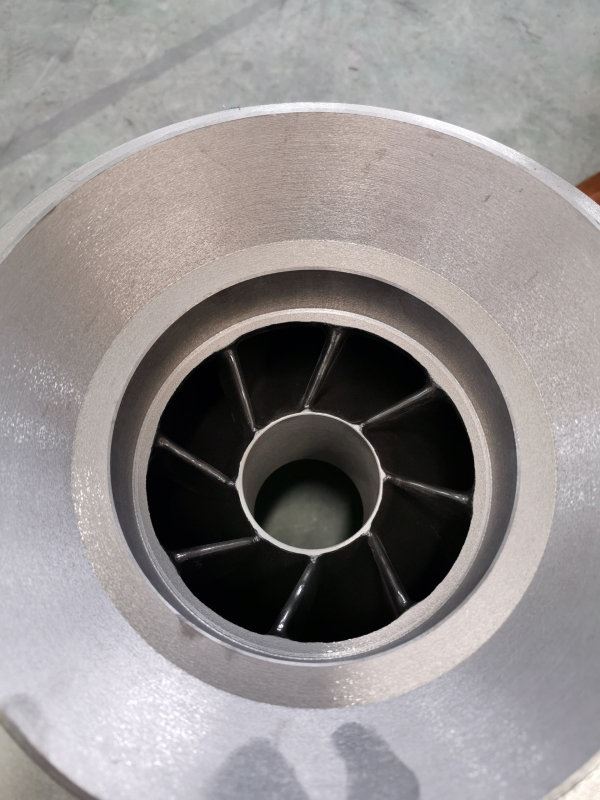
In contrast, our Stainless Steel Bowls are more robust and less likely to be damaged during normal use. They offer a good balance of corrosion resistance and durability, making them a practical choice for many saltwater applications. Additionally, stainless steel bowls are easier to clean and maintain compared to glass-lined bowls, which can be more difficult to clean due to the porous nature of the glass lining.
Conclusion and Call to Action
In conclusion, while stainless steel can corrode in saltwater, our Stainless Steel Bowls are designed to resist corrosion and provide long-term performance in challenging saltwater environments. By using premium stainless steel grades, advanced manufacturing processes, and strict quality control, we ensure that our bowls can withstand the harsh conditions of saltwater exposure.
If you're in the market for high-quality Stainless Steel Bowls for your saltwater applications, we invite you to explore our product range at Stainless Steel Bowl. Our team of experts is ready to assist you in selecting the right bowls for your needs and answering any questions you may have. Contact us today to start a conversation about your requirements and discover how our Stainless Steel Bowls can meet your expectations.
References
- ASM Handbook, Volume 13A: Corrosion: Fundamentals, Testing, and Protection. ASM International.
- Stainless Steel World Americas. "Corrosion Resistance of Stainless Steel in Marine Environments."
- NACE International. "Corrosion Basics: An Introduction to Corrosion Control."