Centrifugal pumps and positive displacement pumps are two of the most commonly used types of pumps in various industries. As a centrifugal pump supplier, I often encounter customers who are confused about the differences between these two types of pumps. In this blog post, I will explain the key differences between centrifugal pumps and positive displacement pumps, their working principles, advantages, and disadvantages, and help you determine which type of pump is best suited for your specific application.
Working Principles
Centrifugal Pumps
Centrifugal pumps work on the principle of centrifugal force. The pump consists of an impeller, which is a rotating disk with vanes, enclosed in a casing. When the impeller rotates, it imparts kinetic energy to the fluid (liquid or gas) that enters the pump through the suction port. The fluid is then forced outwards by the centrifugal force generated by the rotating impeller and exits the pump through the discharge port.
The process can be broken down into the following steps:
- Suction: The fluid enters the center (eye) of the impeller.
- Energy Transfer: As the impeller rotates, it accelerates the fluid, increasing its velocity and kinetic energy.
- Discharge: The high - velocity fluid is forced out of the impeller into the volute casing, where the kinetic energy is converted into pressure energy as the fluid's velocity decreases.
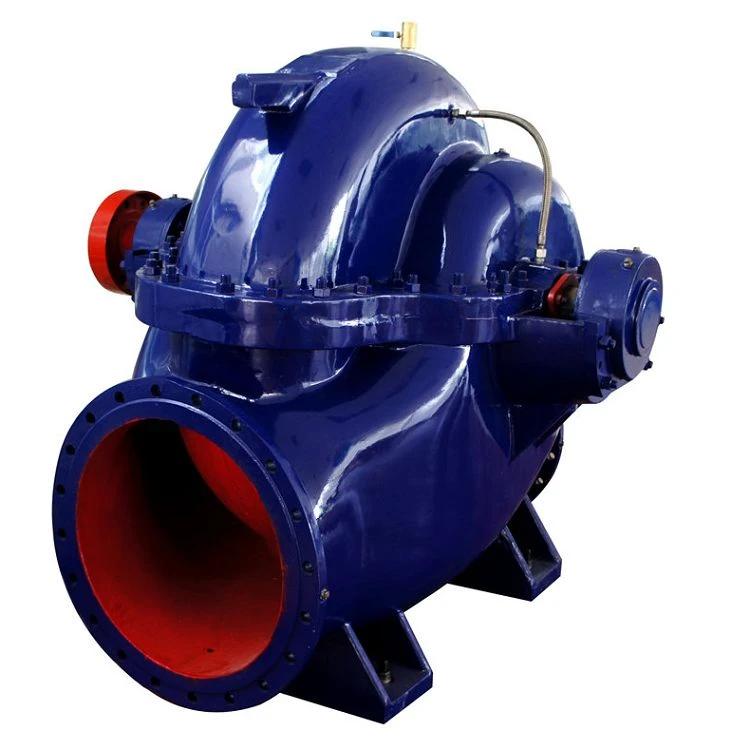
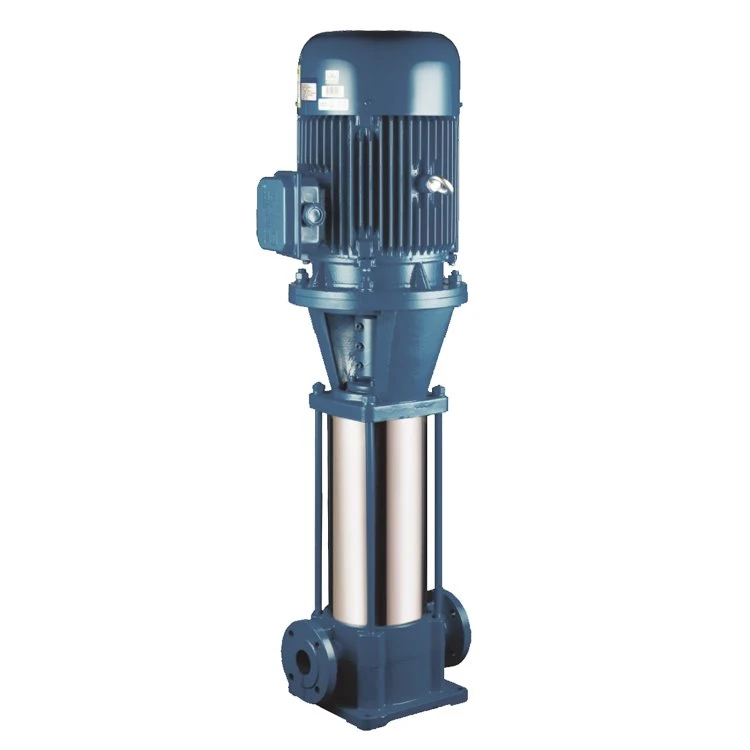
There are different types of centrifugal pumps available, such as the Horizontal Split Casing Centrifugal Pump, Mine Multistage Centrifugal Pump, and Vertical Multistage Pump. These pumps are designed to meet various industrial requirements.
Positive Displacement Pumps
Positive displacement pumps work by trapping a fixed amount of fluid and then forcing (displacing) that fluid into the discharge pipe. There are two main types of positive displacement pumps: reciprocating and rotary.
- Reciprocating Pumps: These pumps use a piston or diaphragm that moves back and forth inside a cylinder. As the piston or diaphragm moves in one direction, it creates a vacuum that allows fluid to enter the cylinder through an inlet valve. Then, as it moves in the opposite direction, it forces the fluid out of the cylinder through an outlet valve.
- Rotary Pumps: Rotary positive displacement pumps use rotating elements such as gears, lobes, or screws to trap and move the fluid. For example, in a gear pump, two meshing gears rotate in a housing. As the gears rotate, fluid is trapped in the spaces between the teeth and the housing and is carried from the suction side to the discharge side.
Performance Characteristics
Flow Rate and Pressure
- Centrifugal Pumps: Centrifugal pumps are known for their ability to handle large flow rates at relatively low to moderate pressures. The flow rate of a centrifugal pump is highly dependent on the system resistance. As the system resistance (pressure) increases, the flow rate decreases in a characteristic curve. They are suitable for applications where a continuous and relatively high - volume flow is required, such as water supply systems, irrigation, and cooling systems.
- Positive Displacement Pumps: Positive displacement pumps can generate high pressures and are capable of maintaining a relatively constant flow rate regardless of the system pressure. This makes them ideal for applications where a precise and consistent flow rate is critical, such as in chemical dosing, metering, and high - pressure hydraulic systems.
Efficiency
- Centrifugal Pumps: Centrifugal pumps are generally more efficient at high flow rates and low to moderate pressures. However, their efficiency drops significantly when operating at low flow rates or against high pressures. This is because the energy losses due to fluid friction and turbulence increase under these conditions.
- Positive Displacement Pumps: Positive displacement pumps tend to be more efficient at low to moderate flow rates and high pressures. They have a relatively constant efficiency over a wide range of operating conditions, especially when compared to centrifugal pumps at low flow rates.
Advantages and Disadvantages
Centrifugal Pumps
- Advantages
- Simple Design: Centrifugal pumps have a relatively simple design with few moving parts, which makes them easy to install, operate, and maintain.
- High Flow Capacity: They can handle large volumes of fluid, making them suitable for applications that require high - volume transfer.
- Low Cost: Centrifugal pumps are generally less expensive to purchase and operate compared to positive displacement pumps, especially for large - scale applications.
- Disadvantages
- Limited Pressure: They are not suitable for applications that require very high pressures.
- Sensitivity to Viscosity: The performance of centrifugal pumps is significantly affected by the viscosity of the fluid. As the fluid viscosity increases, the pump's efficiency and flow rate decrease.
Positive Displacement Pumps
- Advantages
- High Pressure Capability: Positive displacement pumps can generate high pressures, making them suitable for applications such as oil and gas extraction, hydraulic systems, and high - pressure cleaning.
- Constant Flow Rate: They can maintain a consistent flow rate regardless of the system pressure, which is crucial for applications that require precise metering or dosing.
- Viscosity Tolerance: Positive displacement pumps can handle highly viscous fluids more effectively than centrifugal pumps.
- Disadvantages
- Complex Design: Positive displacement pumps often have a more complex design with more moving parts, which can make them more difficult to install, operate, and maintain.
- Higher Cost: They are generally more expensive to purchase and maintain compared to centrifugal pumps, especially for large - scale applications.
Applications
Centrifugal Pumps
- Water and Wastewater Treatment: Centrifugal pumps are widely used in water treatment plants for water intake, distribution, and wastewater pumping.
- Irrigation: They are used to supply water to agricultural fields due to their ability to handle large flow rates.
- Power Generation: In power plants, centrifugal pumps are used for cooling water circulation, boiler feedwater, and condensate extraction.
Positive Displacement Pumps
- Chemical Processing: Positive displacement pumps are used for accurate dosing and metering of chemicals in chemical manufacturing processes.
- Oil and Gas Industry: They are used for crude oil transfer, well - servicing operations, and hydraulic fracturing.
- Food and Beverage Industry: Positive displacement pumps are used for handling viscous food products such as sauces, syrups, and pastes.
Conclusion
In conclusion, the choice between a centrifugal pump and a positive displacement pump depends on several factors, including the required flow rate, pressure, fluid properties, and the specific application. As a centrifugal pump supplier, I can offer a wide range of centrifugal pumps, such as the Horizontal Split Casing Centrifugal Pump, Mine Multistage Centrifugal Pump, and Vertical Multistage Pump, which are suitable for various industrial applications.
If you are unsure which type of pump is best for your needs, or if you have any questions about our centrifugal pumps, please feel free to contact us for more information and to discuss your specific requirements. We are committed to providing you with the best pumping solutions tailored to your application.
References
- Karassik, I. J., Messina, R. S., Cooper, P. W., & Heald, C. C. (2008). Pump Handbook. McGraw - Hill Professional.
- Stepanoff, A. J. (1957). Centrifugal and Axial Flow Pumps: Theory, Design, and Application. Wiley.
- Bloch, H. P., & Hoefner, F. K. (2012). Pump User's Handbook: Life Extension. Gulf Professional Publishing.