A fire pump is a critical component in a foam fire - suppression system, designed to provide the necessary pressure and flow of water or foam solution to extinguish fires effectively. As a fire pump supplier, I've witnessed firsthand the importance of understanding how these pumps operate within a foam system. In this blog, I'll delve into the inner workings of a fire pump in a foam system, exploring its key functions, components, and the overall process.
The Basics of a Foam Fire - Suppression System
Before we dive into the fire pump's operation, it's essential to understand the fundamentals of a foam fire - suppression system. Foam systems are used to combat fires involving flammable liquids, such as gasoline, oil, and solvents. The system works by mixing a foam concentrate with water to create a foam solution, which is then discharged onto the fire. The foam acts as a barrier, preventing oxygen from reaching the fuel source and suppressing the fire.
Key Components of a Fire Pump in a Foam System
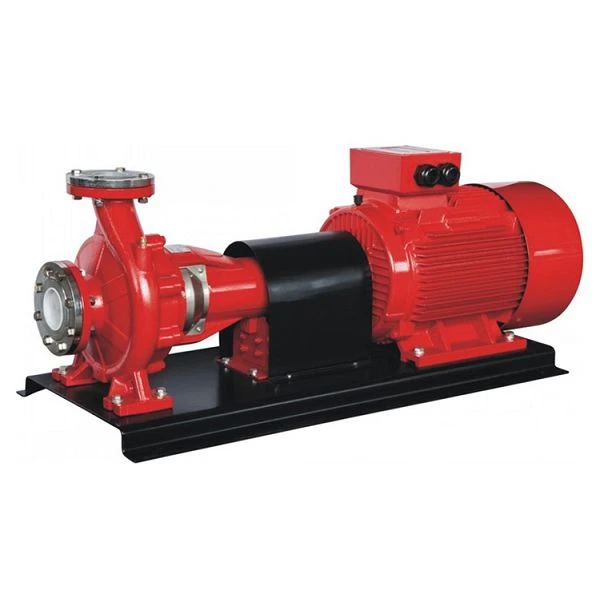
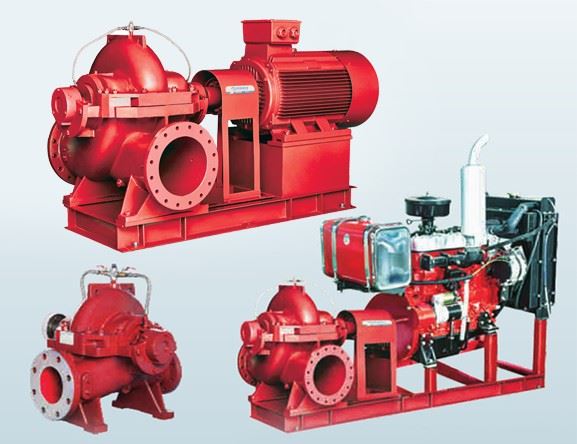
- Pump Unit: The heart of the fire pump is the pump unit itself. There are different types of fire pumps available, such as Submersible Fire Pump and Centrifugal Fire Pump. Centrifugal fire pumps are the most commonly used in foam systems. They work on the principle of centrifugal force, where an impeller rotates at high speed inside a casing, drawing in water or foam solution and increasing its pressure as it moves towards the outlet.
- Driver: The pump needs a power source to operate. This can be an electric motor, a diesel engine, or a steam turbine. Electric motors are often used in smaller systems or where a reliable power supply is available. Diesel engines are preferred in larger installations or areas where power outages are common, as they can provide independent power.
- Suction and Discharge Piping: The suction piping connects the pump to the water source, which can be a tank, a reservoir, or a municipal water supply. The discharge piping carries the pressurized water or foam solution from the pump to the foam proportioning system and ultimately to the fire - suppression nozzles or sprinklers.
- Foam Proportioning System: This system is responsible for mixing the foam concentrate with water in the correct ratio. There are several types of proportioning systems, including balanced - pressure proportioners, venturi proportioners, and bladder tanks. The proportioning system ensures that the foam solution has the right concentration to effectively suppress the fire.
How the Fire Pump Operates in a Foam System
- Startup: When a fire is detected, the fire alarm system sends a signal to start the fire pump. The driver (electric motor or diesel engine) begins to run, powering the pump. As the impeller starts to rotate, it creates a low - pressure area at the suction inlet, causing water or foam solution to be drawn into the pump through the suction piping.
- Pressure Build - up: As the impeller rotates, it imparts kinetic energy to the water or foam solution. The fluid is forced to the outer edge of the impeller by centrifugal force, increasing its velocity. The fluid then enters the volute casing, where the velocity is converted into pressure. The pump continues to build pressure until it reaches the desired operating pressure, which is typically determined by the design requirements of the foam system.
- Foam Proportioning: Once the water or foam solution reaches the desired pressure, it flows through the foam proportioning system. The proportioning system measures the flow rate of the water and injects the appropriate amount of foam concentrate into the water stream. This ensures that the foam solution has the correct concentration for effective fire suppression.
- Distribution: The pressurized foam solution is then transported through the discharge piping to the fire - suppression nozzles or sprinklers. The nozzles or sprinklers are designed to break up the foam solution into small droplets and distribute it evenly over the fire area. The foam forms a blanket over the fuel surface, suppressing the fire by smothering it and preventing the release of flammable vapors.
- Shutdown: Once the fire is extinguished, the fire pump can be shut down. The system may also have automatic shutdown features based on temperature sensors or other safety devices. After the pump is shut down, the system needs to be inspected and maintained to ensure its readiness for future use.
Factors Affecting the Performance of a Fire Pump in a Foam System
- Water Source: The availability and quality of the water source can significantly impact the pump's performance. If the water source has low pressure or limited flow, the pump may not be able to draw in enough water to operate effectively. Additionally, the water should be free of debris and contaminants to prevent damage to the pump and the proportioning system.
- Foam Concentrate: The type and quality of the foam concentrate used in the system are crucial. Different foam concentrates are designed for specific types of fires, such as Class A (ordinary combustibles) or Class B (flammable liquids). Using the wrong type of foam concentrate can reduce the effectiveness of the fire - suppression system.
- Maintenance: Regular maintenance is essential to keep the fire pump and the entire foam system in good working condition. This includes inspecting the pump, the driver, the piping, and the proportioning system for any signs of wear, damage, or leaks. The pump should be tested periodically to ensure that it can reach the required pressure and flow rate.
Importance of a Reliable Fire Pump in a Foam System
A reliable fire pump is the backbone of a foam fire - suppression system. In the event of a fire, the pump must be able to start quickly, build pressure rapidly, and maintain a consistent flow of foam solution. A malfunctioning pump can lead to a delay in fire suppression, allowing the fire to spread and causing more damage.
As a fire pump supplier, we understand the critical role that our products play in protecting lives and property. We offer a wide range of high - quality fire pumps, including Submersible Fire Pump and Centrifugal Fire Pump, along with comprehensive support and maintenance services.
If you're in the market for a fire pump for your foam system, we'd love to discuss your specific requirements. Our team of experts can help you select the right pump, driver, and proportioning system for your application. Contact us today to start the conversation about your fire - suppression needs.
References
- NFPA 20: Standard for the Installation of Stationary Pumps for Fire Protection
- NFPA 11: Standard for Low - Expansion Foam
- Fire Protection Handbook, National Fire Protection Association