Hey there! I'm a supplier of Ductile Iron Casting, and today I wanna talk about how to recycle Ductile Iron Casting scrap. Recycling this kind of scrap is not only good for the environment but also makes good economic sense. So, let's dive right in!
Why Recycle Ductile Iron Casting Scrap?
First off, you might be wondering why we should even bother recycling Ductile Iron Casting scrap. Well, there are a few key reasons. For starters, it helps conserve natural resources. Iron ore, which is used to make new ductile iron, is a finite resource. By recycling scrap, we can reduce the need for mining new ore. This, in turn, helps to protect the environment from the negative impacts of mining, like soil erosion and water pollution.
Another big reason is cost savings. Recycling scrap is generally cheaper than producing new ductile iron from raw materials. When we recycle, we skip a lot of the energy - intensive steps involved in extracting and processing iron ore. This means lower production costs, which can be passed on to customers.
Steps to Recycle Ductile Iron Casting Scrap
1. Collection
The first step in recycling Ductile Iron Casting scrap is collecting it. As a supplier, I often get scrap from various sources. Some of it comes from our own production process. During the casting process, there are always some parts that don't meet the quality standards or are left - over pieces. We also collect scrap from our customers. They might have old or damaged ductile iron parts that they no longer need.
We make it easy for our customers to return the scrap. We offer collection services, and sometimes, we even give them a small incentive for returning the scrap. This way, we can gather a large amount of scrap efficiently.
2. Sorting
Once we've collected the scrap, the next step is sorting. Not all scrap is the same. There can be different grades of ductile iron, and there might also be other types of metals mixed in. Sorting is crucial because different grades of ductile iron have different properties and are used for different applications.
We use a combination of visual inspection and advanced sorting technologies. Visual inspection is done by trained workers who can identify obvious differences in the scrap, like size, shape, and color. For more accurate sorting, we use technologies like magnetic separation. Since ductile iron is magnetic, we can easily separate it from non - magnetic metals.
3. Cleaning
After sorting, the scrap needs to be cleaned. The scrap can be dirty, with dirt, grease, and other contaminants on it. Cleaning is important because these contaminants can affect the quality of the recycled ductile iron.
We use different cleaning methods depending on the level of contamination. For light dirt, we can use simple methods like brushing or air blowing. For more stubborn contaminants, we might use chemical cleaning agents. But we always make sure to use environmentally friendly cleaning agents to minimize the impact on the environment.
4. Melting
Once the scrap is sorted and cleaned, it's time to melt it. We use special furnaces for this purpose. The melting process is carefully controlled to ensure that the ductile iron reaches the right temperature and that the chemical composition is correct.
During melting, we also add some alloying elements to adjust the properties of the ductile iron. These alloying elements can improve the strength, hardness, and other properties of the recycled ductile iron.
5. Re - casting
After melting, the molten ductile iron is ready for re - casting. We pour the molten iron into molds to make new ductile iron parts. The molds are designed according to the specific requirements of our customers.
We use advanced casting techniques to ensure that the new parts have high quality. We monitor the casting process closely to avoid any defects, like porosity or cracks.
Applications of Recycled Ductile Iron Casting
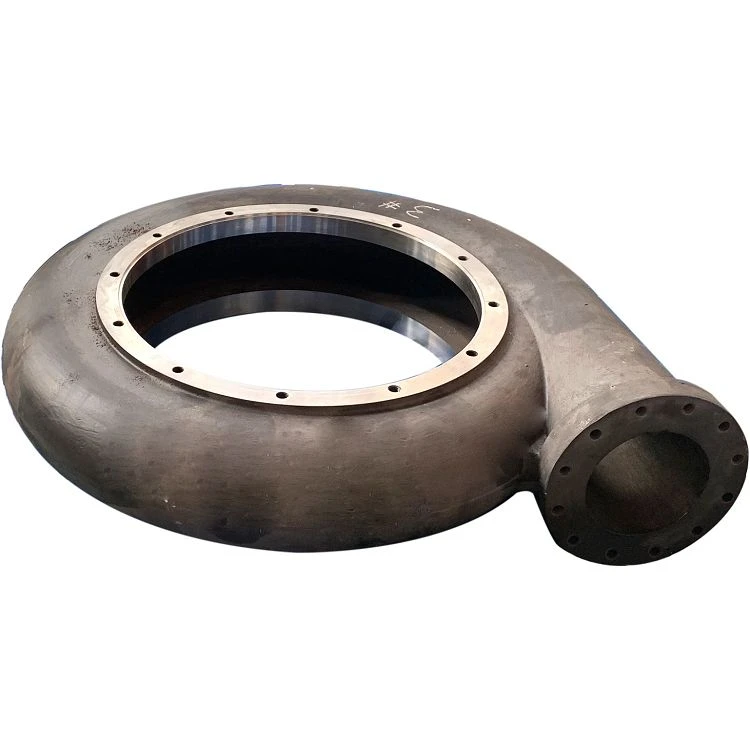
Recycled ductile iron has a wide range of applications. One of the common applications is in the manufacturing of Wear Resistant Pump Parts. These parts need to be strong and wear - resistant, and recycled ductile iron can meet these requirements.
It's also used in Cast Iron Casting. Cast iron has many uses in industries like construction, automotive, and machinery. Recycled ductile iron can be used to make high - quality cast iron parts.
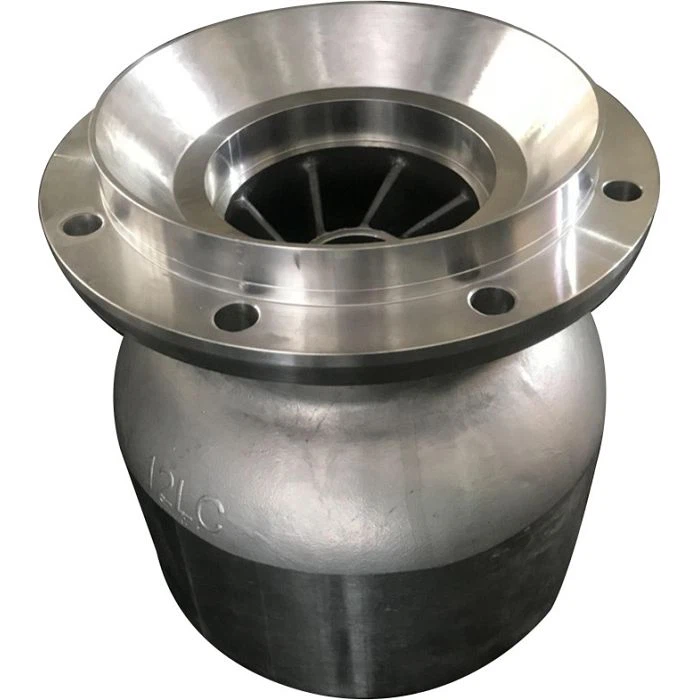
Another important application is in Stainless Steel Pump Casting. Although stainless steel is different from ductile iron, recycled ductile iron can be used in some components of the pump casting to improve its performance and reduce costs.
Quality Control in Recycling
Quality control is a big deal when it comes to recycling Ductile Iron Casting scrap. We don't want to produce low - quality recycled parts. We have a strict quality control system in place at every stage of the recycling process.
During the collection stage, we make sure that the scrap we collect is from reliable sources. We check the history of the scrap to ensure that it doesn't have any hidden problems.
In the sorting and cleaning stages, we have quality control checks to ensure that the scrap is sorted correctly and cleaned thoroughly.
When it comes to melting and re - casting, we use advanced testing methods. We test the chemical composition of the molten iron to make sure it meets the required standards. We also perform mechanical tests on the re - cast parts to check their strength, hardness, and other properties.
Contact for Procurement and Recycling
If you're interested in our Ductile Iron Casting products or have some scrap that you want to recycle, don't hesitate to get in touch. We're always looking for new customers and new sources of scrap. Whether you need high - quality ductile iron parts or want to contribute to a more sustainable future by recycling your scrap, we're here to help.
References
- "Ductile Iron Casting Handbook"
- "Recycling Technologies for Metals"
- Industry reports on Ductile Iron Casting and Recycling