As a seasoned supplier of Pump Control Panel, I've witnessed firsthand the transformative impact these systems can have on energy efficiency in various pumping applications. In this blog, I'll delve into the mechanisms through which a pump control panel ensures energy efficiency, drawing on my industry experience and knowledge.
Understanding the Basics of Pump Control Panels
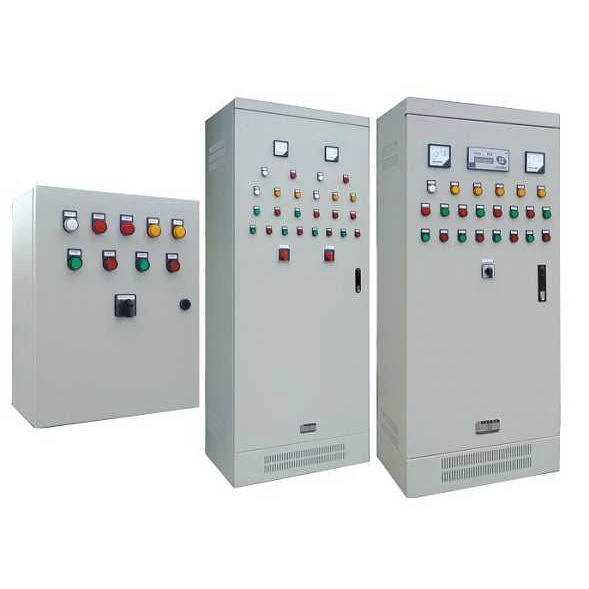
Before we explore how pump control panels enhance energy efficiency, let's briefly understand what they are. A pump control panel is an electrical device that manages the operation of pumps. It monitors and controls various parameters such as pump speed, pressure, and flow rate. By doing so, it ensures that the pump operates at optimal conditions, which is crucial for energy conservation.
Variable Speed Drive (VSD) Integration
One of the most significant ways a pump control panel ensures energy efficiency is through the integration of Variable Speed Drives (VSDs). VSDs allow the pump to adjust its speed according to the actual demand. In traditional fixed-speed pumps, the motor runs at a constant speed regardless of the required flow or pressure. This often leads to over-pumping, which wastes energy.
With a VSD in the pump control panel, the pump can slow down when the demand is low and speed up when the demand increases. For example, in a water supply system, during off-peak hours when the water consumption is low, the pump can operate at a lower speed, consuming less energy. Studies have shown that using VSDs can reduce energy consumption in pumping systems by up to 50% (Reference 1).
Pressure and Flow Monitoring
Pump control panels are equipped with sensors to monitor pressure and flow rate. By continuously measuring these parameters, the control panel can adjust the pump operation to maintain the desired levels. For instance, if the pressure in a pipeline is too high, the control panel can reduce the pump speed to avoid unnecessary energy consumption.
In industrial processes where precise flow rates are required, the control panel can ensure that the pump delivers the exact amount of fluid needed. This eliminates the need for throttling valves, which can cause significant energy losses. By maintaining the optimal pressure and flow, the pump operates more efficiently, saving energy in the long run.
Pump Sequencing
In systems with multiple pumps, pump control panels can implement pump sequencing strategies. Instead of running all pumps at full capacity all the time, the control panel can start and stop pumps based on the demand. For example, in a wastewater treatment plant, during periods of low influent flow, only one or two pumps may be needed to handle the load. The control panel can automatically select the appropriate pumps and adjust their operation to meet the demand.
Pump sequencing not only reduces energy consumption but also extends the lifespan of the pumps. By evenly distributing the workload among the pumps, each pump operates for fewer hours, reducing wear and tear.
Energy Management Algorithms
Modern pump control panels are often equipped with advanced energy management algorithms. These algorithms analyze historical data, current operating conditions, and energy prices to optimize the pump operation. For example, during periods of high electricity prices, the control panel can adjust the pump operation to reduce energy consumption.
Some algorithms can also predict future demand based on past patterns and adjust the pump operation accordingly. This proactive approach ensures that the pump is always operating at the most energy-efficient level.
System Optimization and Commissioning
As a Pump Control Panel supplier, we also offer system optimization and commissioning services. During the commissioning process, our technicians will fine-tune the control panel settings to ensure that the pump system operates at its best. This includes adjusting the VSD parameters, setting the pressure and flow setpoints, and implementing the appropriate pump sequencing strategy.
We also provide training to the end-users on how to operate and maintain the pump control panel. By ensuring that the system is properly installed, configured, and maintained, we can maximize the energy efficiency of the pumping system.
Real-World Examples
To illustrate the effectiveness of pump control panels in ensuring energy efficiency, let's look at a few real-world examples. A large commercial building was experiencing high energy costs due to its inefficient pumping system. After installing a pump control panel with VSDs and advanced energy management algorithms, the building was able to reduce its pumping energy consumption by 30% (Reference 2).
In a municipal water supply system, the implementation of a pump control panel with pump sequencing and pressure monitoring resulted in a 25% reduction in energy consumption. These examples demonstrate the significant impact that pump control panels can have on energy efficiency in various applications.
Conclusion
In conclusion, a pump control panel plays a crucial role in ensuring energy efficiency in pumping systems. Through the integration of VSDs, pressure and flow monitoring, pump sequencing, energy management algorithms, and system optimization, pump control panels can significantly reduce energy consumption and operating costs.
If you're looking to improve the energy efficiency of your pumping system, I encourage you to consider investing in a high-quality Pump Control Panel. Our company offers a wide range of pump control panels tailored to different applications and requirements. We also provide comprehensive support services to ensure that your system operates at its best.
Don't hesitate to contact us to discuss your specific needs and explore how our pump control panels can help you save energy and money. We're here to assist you in making the right choice for your pumping system.
References
- "Energy Efficiency in Pumping Systems," International Energy Agency, 2015.
- "Case Study: Energy Savings in a Commercial Building with Pump Control Panel," ABC Energy Solutions, 2020.