Hey there! As a supplier of sea water pumps, I often get asked about how to check the impeller of a sea water pump. It's a crucial part of the pump, and making sure it's in good condition can save you a lot of headaches down the road. So, let's dive right in and talk about how you can do this check effectively.
First off, why is the impeller so important? Well, the impeller is like the heart of the sea water pump. It's responsible for creating the centrifugal force that moves the water through the pump. If the impeller is damaged or worn out, the pump won't work efficiently, and it could even break down completely.
Pre - check Preparations
Before you start checking the impeller, you need to take some safety precautions. First, make sure the pump is turned off and unplugged. Sea water can be a good conductor of electricity, so you don't want to risk getting electrocuted. Also, wear protective gear like gloves and safety glasses. Sea water can be corrosive, and there might be sharp edges on the pump parts.
Visual Inspection
The first step in checking the impeller is a visual inspection. Remove the pump housing to access the impeller. You might need some basic tools like a screwdriver for this. Once you can see the impeller clearly, look for any obvious signs of damage.
Check for cracks or chips in the impeller blades. These can occur due to debris in the sea water getting caught in the pump or from normal wear and tear over time. If you see any cracks, it's a sign that the impeller might need to be replaced. Even a small crack can grow over time and cause the impeller to fail completely.
Also, look for signs of corrosion. Sea water is highly corrosive, and it can eat away at the impeller material. Corrosion can weaken the impeller blades and reduce their effectiveness. If you notice a lot of rust or pitting on the impeller, it's probably time to think about getting a new one.
Checking for Balance
A balanced impeller is essential for the smooth operation of the pump. An unbalanced impeller can cause vibrations, which can lead to premature wear on the pump bearings and other components. To check the balance of the impeller, you can use a simple method.
Lay the impeller on a flat, level surface. If it's a small impeller, you can try spinning it gently. A balanced impeller should spin smoothly without wobbling or stopping at a particular point. If it wobbles or seems to have a heavy side, it's out of balance.
For larger impellers, you might need a more sophisticated balancing tool. There are some affordable balancing kits available in the market that can help you determine if the impeller is balanced correctly. If you find that the impeller is unbalanced, you can try to add small weights to the lighter side to correct it. However, in many cases, it's easier and more reliable to just replace the impeller.
Measuring the Impeller
Measuring the impeller is another important step. You need to check the diameter and the width of the impeller blades. These measurements should match the specifications provided by the pump manufacturer.
Use a caliper to measure the diameter of the impeller at its widest point. Compare this measurement with the manufacturer's specifications. If the diameter is smaller than it should be, it could mean that the impeller has worn down over time. A smaller impeller diameter can reduce the pump's flow rate and efficiency.
Next, measure the width of the impeller blades. This measurement is also crucial for the proper functioning of the pump. If the blade width is incorrect, it can affect the way the impeller creates the centrifugal force needed to move the water.
Testing the Clearance
The clearance between the impeller and the pump housing is also something you need to check. This clearance is important because it affects the pump's performance. If the clearance is too large, the pump might lose efficiency as water can leak back around the impeller. If the clearance is too small, the impeller might rub against the housing, causing damage to both the impeller and the housing.
To measure the clearance, you can use a feeler gauge. Insert the feeler gauge between the impeller blade tip and the pump housing at several points around the impeller. The clearance should be uniform all around. If you find that the clearance varies significantly, it could indicate that the impeller is misaligned or that the pump housing has been damaged.
Types of Sea Water Pumps and Their Impellers
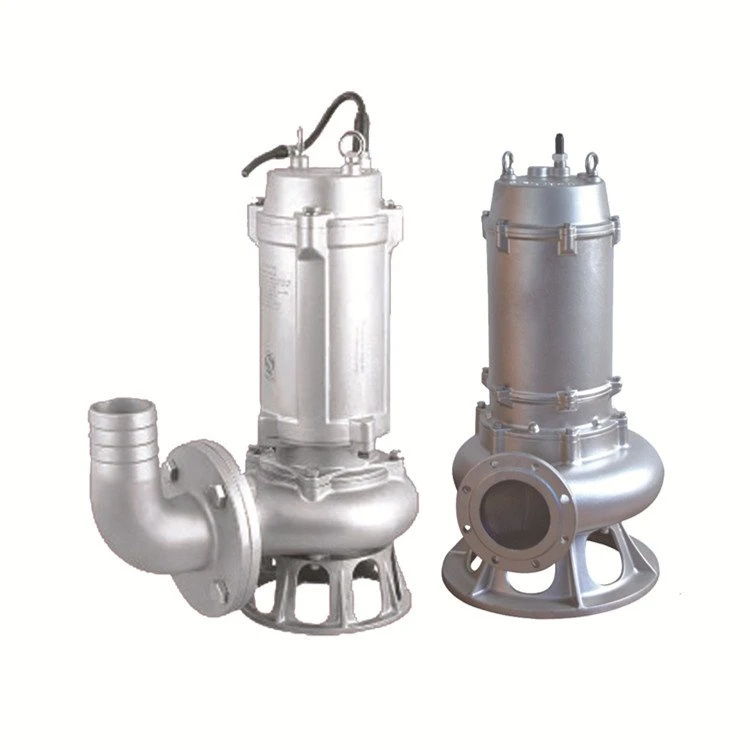
There are different types of sea water pumps, and each type has its own unique impeller design. For example, the Submersible Sea Water Pump is designed to be submerged in water. Its impeller is usually designed to handle a large volume of water and is often made of materials that are highly resistant to corrosion.
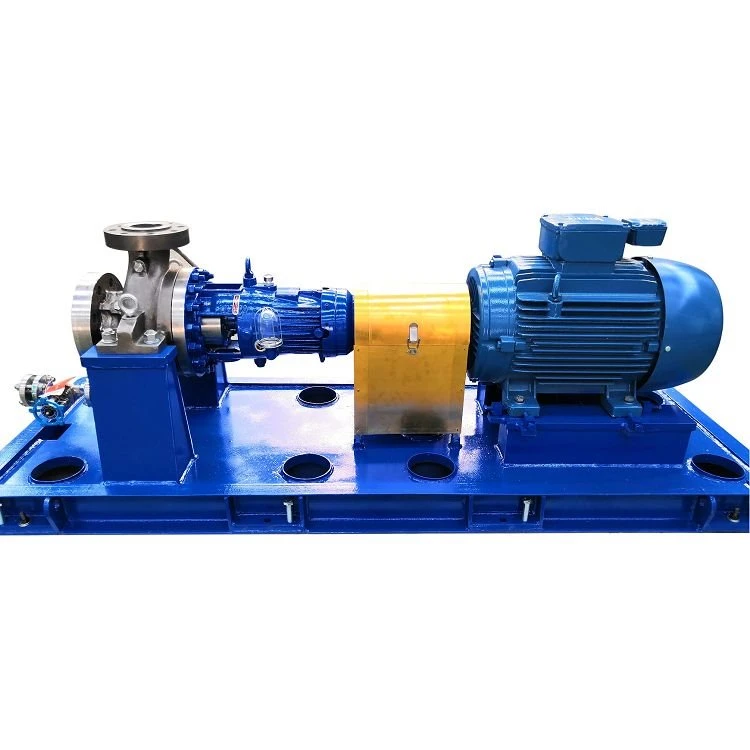
On the other hand, the Centrifugal Sea Water Pump uses centrifugal force to move the water. The impeller in a centrifugal pump is designed to create a high - speed rotation, which generates the force needed to push the water through the pump. When checking the impeller of these different types of pumps, you need to keep in mind their specific design features.
When to Replace the Impeller
If you find significant damage during your inspection, such as large cracks, severe corrosion, or an unrepairable imbalance, it's time to replace the impeller. Don't try to patch up a badly damaged impeller, as it will only lead to more problems in the long run.
Also, if you notice a decrease in the pump's performance, such as a lower flow rate or reduced pressure, even after checking and fixing other parts of the pump, the impeller could be the culprit. In this case, replacing the impeller might restore the pump's performance.
Conclusion
Checking the impeller of a sea water pump is not a difficult task, but it does require some attention to detail. By following these steps, you can ensure that your sea water pump is operating at its best. Remember, a well - maintained impeller means a longer - lasting and more efficient pump.
If you're in the market for a new sea water pump or need replacement impellers, we're here to help. We offer a wide range of high - quality sea water pumps and parts. Contact us today to discuss your needs and start a purchase negotiation. We're confident that we can provide you with the right solution for your sea water pumping requirements.
References
- "Pump Handbook" by Igor Karassik
- Various technical manuals from sea water pump manufacturers