As a professional Pump Control Panel supplier, I understand the crucial role these panels play in protecting pumps from dry running. Dry running is a common yet potentially disastrous issue for pumps, which can lead to overheating, damage to seals, bearings, and other components, and ultimately significantly reduce the pump's service life. In this blog, I'll delve into how a Pump Control Panel safeguards pumps from this peril, highlighting the importance of our products in ensuring the long - term, reliable operation of pumps.
Understanding Dry Running and Its Consequences
Before we discuss how the Pump Control Panel Pump Control Panel protects pumps from dry running, it's important to understand what dry running is and the problems it can cause. Dry running occurs when a pump operates without an adequate supply of fluid. This situation can result from various reasons, such as a blockage in the intake pipe, a low fluid level in the reservoir, or improper installation.
When a pump runs dry, several detrimental things happen. First, the lack of fluid to lubricate and cool the moving parts causes excessive friction and heat. This can quickly lead to the melting of seals and gaskets, which are essential for preventing leaks and maintaining the pump's efficiency. Over time, the high - temperature environment can also cause warping and damage to the impeller and other internal components. Second, without the cushioning effect of the fluid, the mechanical stress on the bearings increases significantly, leading to premature wear and failure. In severe cases, dry running can even cause the pump to seize up completely, requiring costly repairs or replacement.
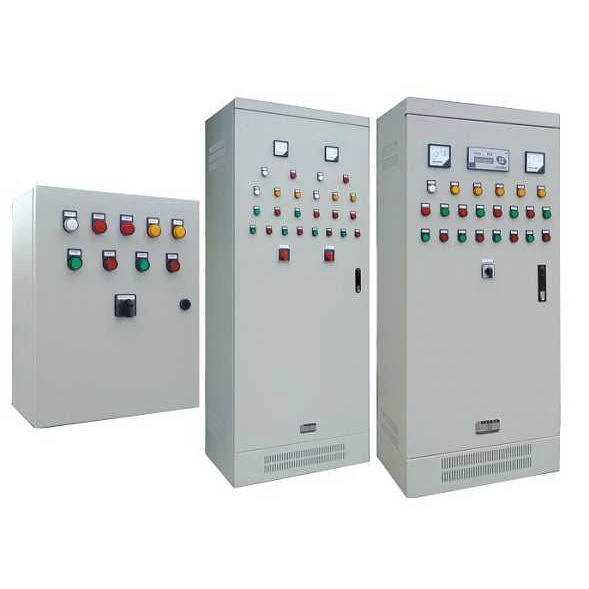
Key Features of Pump Control Panels for Dry - Running Protection
Level Sensors
One of the primary ways a Pump Control Panel protects the pump from dry running is through the use of level sensors. These sensors are installed in the fluid reservoir or the intake pipe of the pump. They continuously monitor the fluid level and send signals to the control panel.
There are different types of level sensors available, each with its own working principle. Float switches are a simple and commonly used type. They consist of a float that rises and falls with the fluid level. When the fluid level drops below a certain point, the float activates a switch, which sends a signal to the control panel to shut off the pump.
Another type is the ultrasonic level sensor. It uses ultrasonic waves to measure the distance between the sensor and the fluid surface. By calculating the distance, it can accurately determine the fluid level. Once the level reaches a critical point, the sensor triggers the control panel to stop the pump operation.
Capacitive level sensors are also popular. They work based on the change in capacitance as the fluid level changes. When the fluid level decreases to a set threshold, the sensor detects the change and communicates with the control panel to prevent dry running.
Pressure Sensors
Pressure sensors are another vital component in a Pump Control Panel for dry - running protection. These sensors are usually installed at the pump outlet or in the piping system. They measure the pressure of the fluid being pumped.
Under normal operating conditions, the pump generates a specific pressure when pumping fluid. However, when the pump starts to run dry, the pressure drops significantly. The pressure sensor can detect this drop in pressure and send a signal to the control panel. The control panel then quickly shuts down the pump to avoid further damage.
In addition to detecting low pressure, some pressure sensors can also be configured to detect abnormal high - pressure situations. High pressure can also indicate a potential problem in the system, such as a blocked discharge pipe. By monitoring both high and low pressure, the control panel can ensure the pump operates within a safe pressure range.
Flow Sensors
Flow sensors play a crucial role in preventing dry running by measuring the flow rate of the fluid through the pump. They are typically installed in the pump's inlet or outlet piping.
When the pump is running properly, there is a consistent flow of fluid. However, if the fluid supply is interrupted or reduced to an insufficient level, the flow rate drops. The flow sensor can detect this change in the flow rate and send an alarm signal to the control panel. In response, the control panel stops the pump immediately.
There are different technologies used in flow sensors, such as electromagnetic flow sensors, turbine flow sensors, and thermal mass flow sensors. Each technology has its own advantages and is selected based on the specific requirements of the pump system, such as the type of fluid being pumped, the flow range, and the accuracy needed.
The Functioning of the Pump Control Panel
The Pump Control Panel acts as the brain of the pump protection system. It receives signals from the level sensors, pressure sensors, and flow sensors and makes decisions based on the pre - programmed settings.
When a sensor detects an abnormal condition, such as a low fluid level, low pressure, or reduced flow rate, it sends a signal to the control panel. The control panel processes this information and compares it with the pre - set thresholds. If the value exceeds the safe limits, the control panel activates a relay or a switch to cut off the power supply to the pump.
In addition to the basic protection function, modern Pump Control Panels often have advanced features. For example, some control panels can provide real - time monitoring and data logging. This allows operators to track the pump's operating parameters, such as fluid level, pressure, and flow rate over time. They can analyze this data to detect any potential trends or issues before they cause serious problems.
Moreover, some control panels are equipped with communication interfaces that enable remote monitoring and control. This means that operators can monitor the pump's status and make adjustments to the control settings from a remote location, which is especially useful for large - scale pumping systems or systems located in remote areas.
Benefits of Using Our Pump Control Panels
Our Pump Control Panels offer numerous benefits to customers. Firstly, they provide reliable protection against dry running, which extends the pump's service life and reduces maintenance costs. By preventing damage to the pump's components, our control panels save customers from the hassle and expense of frequent repairs and replacements.
Secondly, our control panels are highly customizable. We understand that different pump systems have different requirements, so we can tailor the control panel's settings and features according to the customer's specific needs. Whether it's a small domestic pump or a large industrial pump, our control panels can be configured to provide optimal protection.
Thirdly, our products are designed with user - friendliness in mind. The control panels have intuitive interfaces that make it easy for operators to set up, operate, and monitor the pump system. Even those with limited technical knowledge can quickly learn how to use our control panels effectively.
Contact Us for Purchase and Consultation
If you are looking for a reliable solution to protect your pumps from dry running, our Pump Control Panels are the ideal choice. We have a team of experienced engineers who can provide professional advice and support to help you select the right control panel for your pump system.
Whether you are a small business owner, an industrial operator, or a contractor, we are committed to providing high - quality products and excellent customer service. Don't hesitate to contact us for more information about our Pump Control Panels and how they can benefit your operations. We are ready to discuss your specific needs and offer customized solutions.
References
- Pump Handbook, 4th Edition, by Igor J. Karassik, Joseph P. Messina, Paul Cooper, and Charles C. Heald.
- Control Systems Engineering, 6th Edition, by Norman S. Nise.
- Industrial Pump Technology Handbook, by Heinz P. Bloch and Allan R. Budris.