Hey there! As a supplier of centrifugal pumps, I'm super excited to dive into how a self-priming centrifugal pump works. These pumps are pretty cool and have a wide range of applications, so let's get started!
First off, what's a self-priming centrifugal pump? Well, it's a type of centrifugal pump that can evacuate air from the suction line and the pump casing to create a vacuum, allowing it to draw in liquid without the need for external priming. This is a huge advantage, especially in situations where the pump might be located above the liquid level or when the suction line has a lot of air in it.
The Basics of Centrifugal Pumps
Before we get into the self-priming part, let's quickly go over how a regular centrifugal pump works. A centrifugal pump has an impeller, which is a rotating part with vanes. When the impeller spins, it creates a centrifugal force. This force throws the liquid in the pump casing towards the outer edge of the impeller. As the liquid moves outwards, it creates a low-pressure area at the center of the impeller. This low-pressure area sucks in more liquid from the suction line, and the process keeps going.
The liquid that's thrown out by the impeller then enters the volute, which is a spiral-shaped casing around the impeller. The volute gradually increases in cross-sectional area as it goes towards the discharge outlet. This design slows down the liquid and converts the kinetic energy of the liquid (from the spinning impeller) into pressure energy. So, by the time the liquid reaches the discharge outlet, it has a higher pressure and can be pushed through the pipeline to where it's needed.
How Self-Priming Works
Now, let's focus on the self-priming feature. When you start a self-priming centrifugal pump, there's usually some liquid already in the pump casing. This liquid is crucial for the priming process. As the impeller starts to spin, it mixes the air in the suction line with the liquid in the casing. The mixture of air and liquid forms a foam-like substance.
The impeller then throws this air-liquid mixture towards the outer edge of the casing, just like it does with pure liquid in a regular operation. The mixture enters the volute, and as it moves through the volute, the air starts to separate from the liquid. The air is then discharged through the outlet, while the liquid is recirculated back to the suction side of the impeller.
This recirculation process continues, and with each cycle, more and more air is removed from the suction line. Eventually, all the air is removed, and the pump is filled with liquid. At this point, the pump is fully primed and can operate like a normal centrifugal pump, pumping the liquid from the source to the destination.
Key Components for Self-Priming
There are a few key components in a self-priming centrifugal pump that make the self-priming process possible. One of these is the priming chamber. The priming chamber is a space in the pump casing where the air-liquid mixture collects and the air separation takes place. It's designed in such a way that it allows for efficient separation of air from the liquid.
Another important component is the check valve. The check valve is usually located in the suction line. Its job is to prevent the liquid from flowing back out of the pump casing when the pump is turned off. This ensures that there's always some liquid in the casing for the next priming cycle.
Applications
Self-priming centrifugal pumps are used in a variety of industries. In the agricultural sector, they're used for irrigation. You can place the pump above the water source, and it will still be able to draw water into the irrigation system. They're also used in wastewater treatment plants to pump sewage and other liquids. In the chemical industry, they can handle various chemicals and solvents.
Our Product Range
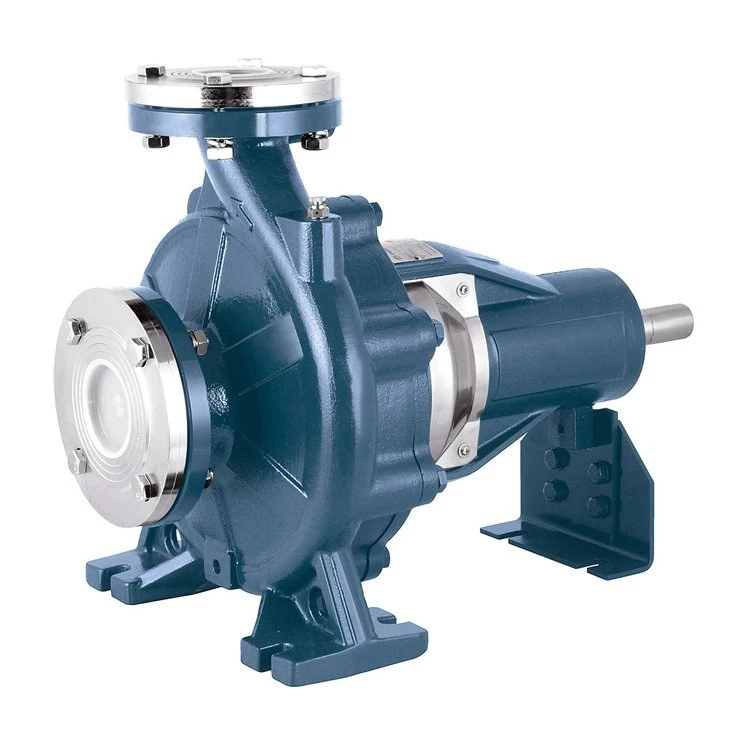
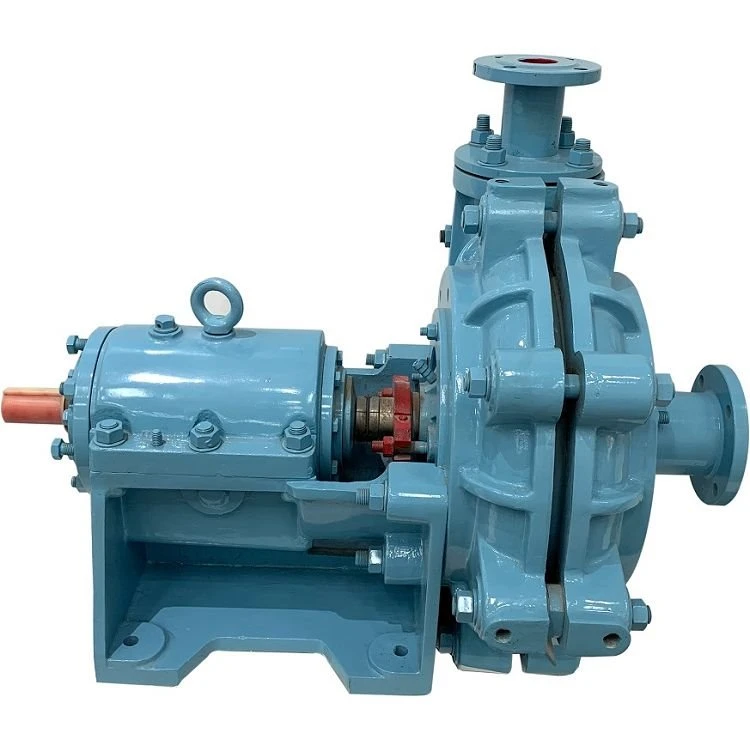
As a centrifugal pump supplier, we offer a wide range of self-priming centrifugal pumps. We also have other types of centrifugal pumps like the Horizontal Split Casing Centrifugal Pump, which is great for high-capacity applications. Our Slurry Pump is designed to handle abrasive slurries, and the End Suction Centrifugal Pump is a popular choice for many general pumping applications.
Why Choose Our Pumps
Our pumps are built with high-quality materials to ensure durability and reliability. We use advanced manufacturing techniques to make sure that each pump meets the highest standards. Our self-priming centrifugal pumps are easy to install and maintain, which can save you time and money in the long run.
Contact Us for Procurement
If you're in the market for a centrifugal pump, whether it's a self-priming one or another type from our range, we'd love to talk to you. We can help you choose the right pump for your specific needs and provide you with all the information you need. Don't hesitate to reach out to us for a detailed discussion about your requirements. We're here to make sure you get the best pumping solution for your project.
References
- Pump Handbook by Igor Karassik et al.
- Centrifugal Pumps: Design and Application by Joseph F. Stepanoff.