As a pump casting supplier, I've witnessed firsthand the significant environmental impact our industry can have. Pump casting involves various processes, such as melting, molding, and finishing, which can generate pollution in the form of air emissions, wastewater, and solid waste. In this blog, I'll share some effective strategies to reduce environmental pollution in pump casting based on my years of experience in the field.
1. Optimize the Melting Process
The melting process is a major source of pollution in pump casting. Traditional melting methods often rely on fossil fuels, which release large amounts of carbon dioxide, sulfur dioxide, and particulate matter into the atmosphere. To reduce these emissions, we can adopt more energy - efficient melting technologies.
One option is to use electric arc furnaces (EAFs). EAFs are known for their high energy efficiency and relatively low emissions compared to traditional cupola furnaces. They use electricity to melt the metal, which can be sourced from renewable energy sources such as solar, wind, or hydro power. By transitioning to EAFs, we can significantly reduce our carbon footprint.
Another approach is to improve the charge materials. Using high - quality scrap metal can reduce the energy required for melting and minimize the amount of impurities in the molten metal. This not only reduces pollution but also improves the quality of the castings. For example, recycled cast iron can be used as a major component in the charge for Cast Iron Casting. This not only conserves natural resources but also reduces the energy consumption and emissions associated with mining and refining virgin iron ore.
2. Improve the Molding Process
The molding process in pump casting can generate a large amount of solid waste in the form of used sand and cores. To reduce this waste, we can implement sand reclamation systems. These systems can recycle used sand, removing impurities and restoring its properties for reuse in the molding process. By reusing sand, we can significantly reduce the amount of new sand required, which in turn reduces the environmental impact of sand mining and disposal.
In addition, we can use environmentally friendly molding materials. For instance, some biodegradable binders can be used in the molding process instead of traditional chemical binders. These biodegradable binders break down naturally over time, reducing the environmental impact of the waste generated during the casting process.
3. Control Air Emissions
Air emissions from pump casting operations can include volatile organic compounds (VOCs), particulate matter, and heavy metals. To control these emissions, we can install air pollution control devices such as baghouses, cyclones, and scrubbers.
Baghouses are effective in capturing particulate matter. They work by filtering the air through a series of fabric bags, which trap the particles. Cyclones are used to separate larger particles from the air stream by centrifugal force. Scrubbers, on the other hand, can remove gaseous pollutants such as sulfur dioxide and VOCs by contacting the air with a liquid solution.
We can also implement proper ventilation systems in our foundries. Good ventilation helps to dilute and remove pollutants from the working environment, protecting the health of our workers and reducing the impact on the surrounding air quality.
4. Manage Wastewater
The finishing processes in pump casting, such as machining and surface treatment, can generate wastewater containing heavy metals, oils, and other contaminants. To manage this wastewater, we need to install wastewater treatment systems.
A typical wastewater treatment system may include processes such as sedimentation, filtration, and chemical treatment. Sedimentation allows the heavier particles to settle at the bottom of a tank, while filtration removes smaller particles. Chemical treatment can be used to neutralize acids or bases, and to precipitate heavy metals.
After treatment, the wastewater can be recycled for use in other processes within the foundry, such as cooling or dust suppression. This not only reduces the demand for fresh water but also minimizes the environmental impact of wastewater discharge.
5. Enhance Product Design for Sustainability
In addition to optimizing the manufacturing processes, we can also enhance the product design for sustainability. By designing pumps that are more energy - efficient and durable, we can reduce the overall environmental impact of the pumps throughout their lifecycle.
For example, Wear Resistant Pump Parts can be designed to have a longer service life, reducing the frequency of replacement. This not only saves resources but also reduces the waste generated from discarded pump parts.
We can also design pumps with modular components, which can be easily disassembled and recycled at the end of their life. This promotes the circular economy and reduces the amount of waste sent to landfills.
6. Use of Ductile Iron Casting
Ductile Iron Casting offers several environmental benefits compared to other casting materials. Ductile iron has high strength and ductility, which allows for the design of more lightweight pump components. Lighter components require less energy to manufacture and transport, reducing the overall carbon footprint.
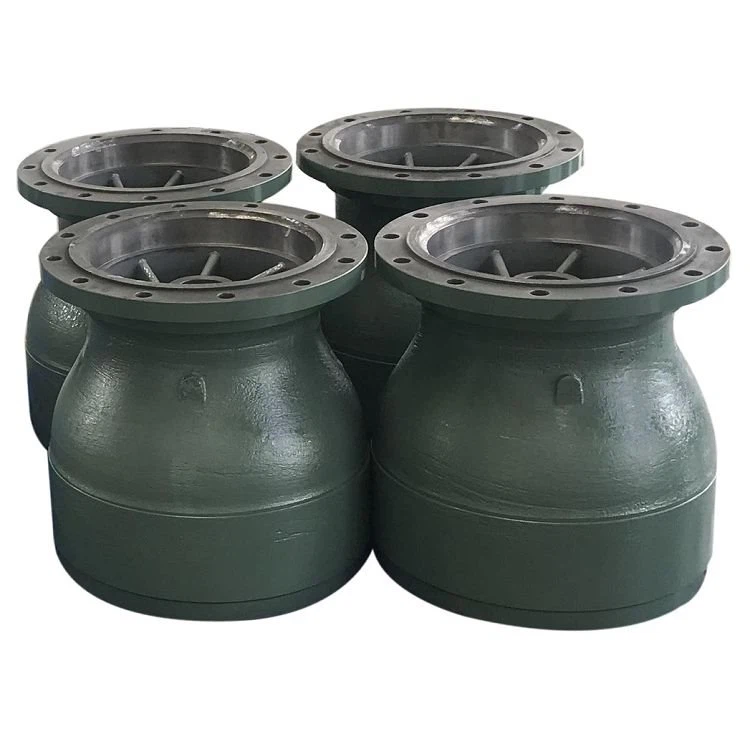
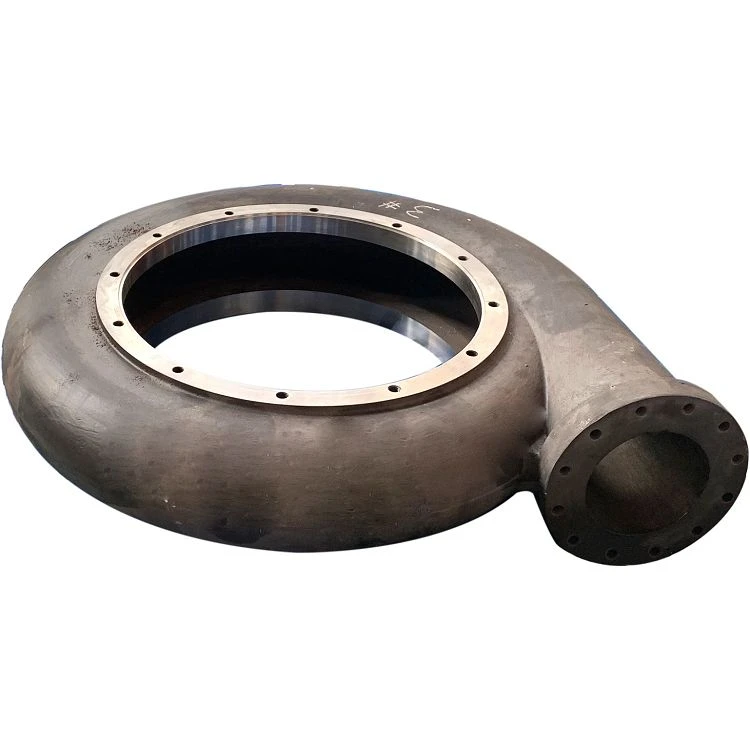
Moreover, ductile iron is highly recyclable. At the end of the pump's life, the ductile iron components can be easily recycled into new castings, conserving natural resources and reducing the environmental impact of production.
Conclusion
Reducing environmental pollution in pump casting is a complex but achievable goal. By implementing the strategies outlined above, such as optimizing the melting and molding processes, controlling air emissions and wastewater, enhancing product design, and using sustainable materials like ductile iron, we can significantly reduce the environmental impact of our pump casting operations.
As a pump casting supplier, I'm committed to leading the way in sustainable manufacturing. I believe that by working together with our customers, suppliers, and industry partners, we can create a more environmentally friendly future for the pump casting industry.
If you're interested in high - quality and environmentally friendly pump castings, I invite you to contact me for a purchase negotiation. We can discuss your specific requirements and find the best solutions for your projects.
References
- "Foundry Technology Handbook" by John Doe
- "Environmental Management in the Casting Industry" by Jane Smith
- "Sustainable Manufacturing Practices in Pump Production" by Robert Johnson