When it comes to fluid handling, pumps are essential equipment in various industries. Among the different types of pumps, slurry pumps and regular water pumps are two common categories, each designed to meet specific needs. As a slurry pump supplier, I've had extensive experience in understanding the differences between these two types of pumps, and I'm excited to share this knowledge with you.
Basic Working Principles
Both slurry pumps and regular water pumps operate on the principle of creating a pressure difference to move fluids. However, the nature of the fluids they handle significantly influences their design and operation.
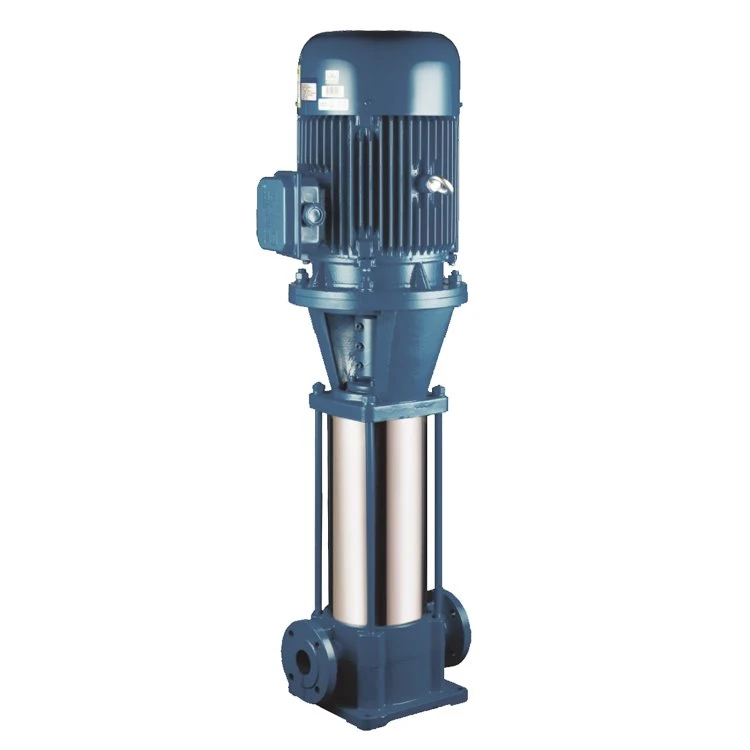
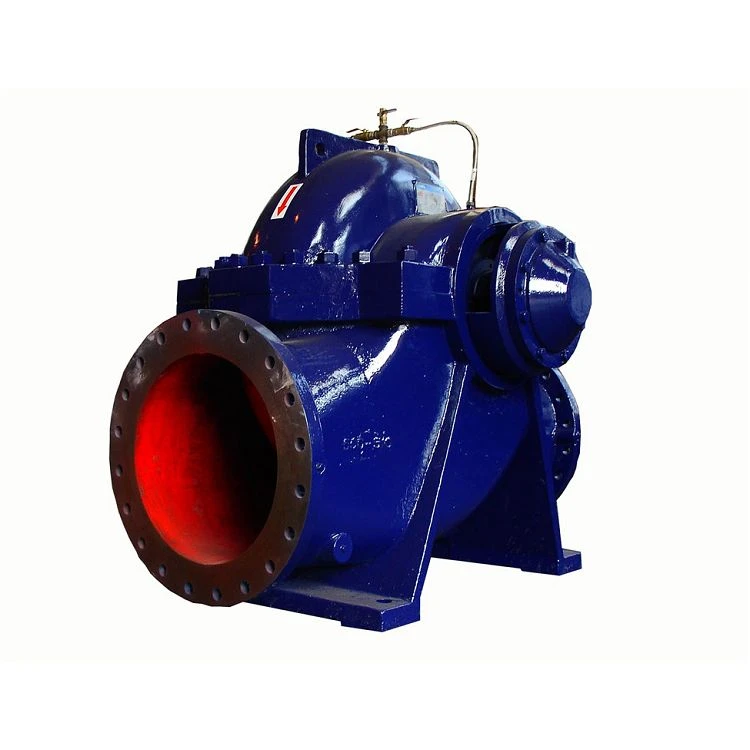
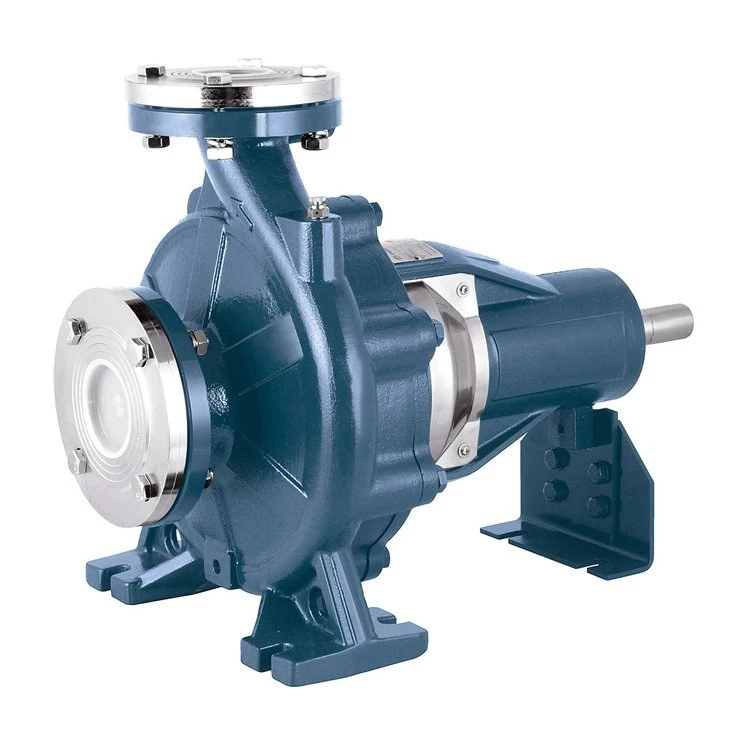
Regular water pumps are primarily designed to handle clean or slightly contaminated water. They are often centrifugal pumps, which use an impeller to rotate and create a centrifugal force that moves the water from the inlet to the outlet. For example, Single Stage Double - Suction Centrifugal Pump and End Suction Centrifugal Pump are common types of regular water pumps. These pumps are efficient in moving large volumes of water at relatively low pressures, and their components are designed to work with the low - viscosity and non - abrasive nature of water.
On the other hand, slurry pumps are used to handle slurries, which are mixtures of solids and liquids. The solids in the slurry can range from fine particles to large chunks, and they can be abrasive, corrosive, or both. Slurry pumps also use centrifugal force, but they are built to withstand the harsh conditions associated with pumping slurries. The impellers and casings of slurry pumps are typically made of wear - resistant materials such as high - chrome alloys or rubber to resist the abrasion caused by the solid particles in the slurry.
Design Differences
The design of slurry pumps and regular water pumps varies significantly to accommodate the different characteristics of the fluids they handle.
Construction Materials
Regular water pumps can be made from a variety of materials, including cast iron, stainless steel, and plastic. Cast iron is commonly used for its low cost and durability in handling clean water. Stainless steel is preferred when corrosion resistance is required, such as in applications involving water with high levels of dissolved salts or chemicals. Plastic pumps are lightweight and corrosion - resistant, making them suitable for some low - pressure water - handling applications.
In contrast, slurry pumps require more robust construction materials. The impellers, liners, and casings are often made of high - chrome white iron, which has excellent wear resistance. Rubber - lined slurry pumps are also popular, especially when handling corrosive slurries. The rubber lining provides a smooth surface that reduces friction and wear, and it can also resist corrosion from certain chemicals.
Impeller Design
The impeller is a crucial component of both types of pumps, but its design differs significantly. Regular water pump impellers are typically designed for high efficiency in moving water. They have smooth surfaces and well - defined vanes to minimize energy losses and maximize the flow rate. The impellers are usually closed or semi - closed, which helps to maintain a high level of efficiency.
Slurry pump impellers, however, are designed to handle the solids in the slurry. They often have wider passages between the vanes to prevent clogging. Open or semi - open impellers are more common in slurry pumps, as they allow the solid particles to pass through more easily. The vanes of slurry pump impellers are also thicker and more robust to withstand the impact of the solid particles.
Sealing Systems
Sealing is an important aspect of pump design to prevent leakage. Regular water pumps usually use mechanical seals or gland packing seals. Mechanical seals are widely used because they provide a reliable and leak - free seal. They consist of two flat surfaces that are held together by a spring, and they are lubricated by the water being pumped. Gland packing seals are also used, especially in older or less expensive pumps. They are made of a packing material that is compressed around the shaft to prevent leakage.
Slurry pumps require more advanced sealing systems due to the presence of solids in the slurry. A common sealing method is the use of a gland packing with a flushing system. The flushing system uses clean water or a suitable fluid to flush the packing and prevent the entry of solid particles. Another option is the use of mechanical seals with a barrier fluid system. The barrier fluid acts as a buffer between the slurry and the mechanical seal, protecting the seal from damage.
Performance Differences
The performance of slurry pumps and regular water pumps also varies in several aspects.
Flow Rate and Pressure
Regular water pumps are generally designed to achieve high flow rates at relatively low pressures. They are used in applications such as water supply, irrigation, and drainage, where large volumes of water need to be moved quickly. For example, a large - scale water supply system may require a pump with a high flow rate to meet the demand of a city or a large industrial complex.
Slurry pumps, on the other hand, may not achieve the same high flow rates as regular water pumps, but they are capable of generating higher pressures. This is because pumping slurries requires more energy to overcome the resistance caused by the solid particles. In mining and mineral processing applications, for example, slurry pumps need to transport the slurry over long distances and to high elevations, which requires high - pressure pumping.
Efficiency
Regular water pumps are designed to be highly efficient in moving water. Their streamlined designs and optimized impellers minimize energy losses, resulting in high efficiency. However, when a regular water pump is used to handle slurries, its efficiency drops significantly. The presence of solid particles in the slurry increases the friction and wear on the pump components, leading to higher energy consumption and lower efficiency.
Slurry pumps are designed to operate efficiently with slurries. Their robust construction and specially designed impellers are optimized for handling the solids in the slurry, resulting in relatively high efficiency even under harsh conditions.
Application Differences
The differences in design and performance between slurry pumps and regular water pumps lead to different applications.
Regular Water Pump Applications
Regular water pumps are widely used in various industries and domestic applications. In the municipal water supply system, they are used to pump water from water sources such as rivers, lakes, or wells to treatment plants and then to consumers. In the agricultural sector, water pumps are used for irrigation, providing water to crops. They are also used in building services for tasks such as heating, ventilation, and air - conditioning (HVAC) systems, where they circulate water for cooling or heating purposes. Vertical Multistage Pump is often used in high - rise buildings to provide sufficient water pressure to upper floors.
Slurry Pump Applications
Slurry pumps are mainly used in industries where slurries need to be transported. In the mining industry, they are used to transport ore slurries from the mine to the processing plant. The slurries may contain large amounts of abrasive particles, and the pumps need to be able to withstand the wear and tear. In the coal industry, slurry pumps are used to transport coal slurries for power generation or for other industrial processes. They are also used in the chemical industry to handle corrosive slurries, and in the dredging industry to pump sediment - laden water.
Conclusion
In summary, slurry pumps and regular water pumps differ significantly in their design, performance, and applications. Regular water pumps are optimized for handling clean or slightly contaminated water, with features such as efficient impellers, standard construction materials, and common sealing systems. They are suitable for applications requiring high flow rates at low pressures. Slurry pumps, on the other hand, are designed to handle the harsh conditions associated with pumping slurries. They have more robust construction, specially designed impellers, and advanced sealing systems, and they are capable of generating higher pressures to transport slurries over long distances.
If you are in need of a pump for your specific application, whether it's for water handling or slurry transportation, it's important to choose the right type of pump. As a slurry pump supplier, we have a wide range of pumps to meet your needs. Our team of experts can help you select the most suitable pump based on your requirements. If you are interested in learning more about our products or would like to discuss your pump needs, please feel free to contact us for a detailed consultation and procurement negotiation.
References
- "Pump Handbook" by Igor Karassik et al.
- "Centrifugal Pumps: Design and Application" by Heinz P. Bloch and Fred K. Geitner.
- Industry - specific technical documents and research papers on slurry and water pumps.