As a seasoned supplier of sea water pumps, I understand the importance of accurately adjusting the flow rate of these pumps. Whether you're using a Submersible Sea Water Pump for underwater applications or a Centrifugal Sea Water Pump for general water transfer, proper flow rate adjustment is crucial for optimal performance, energy efficiency, and system longevity. In this blog post, I'll share some practical tips on how to adjust the flow rate of a sea water pump effectively.
Understanding the Basics of Flow Rate
Before diving into the adjustment methods, it's essential to have a clear understanding of what flow rate means. Flow rate refers to the volume of water that a pump can move in a given period, typically measured in gallons per minute (GPM) or liters per second (L/s). The flow rate of a sea water pump is influenced by several factors, including the pump's design, impeller size, motor power, and the resistance in the piping system.
Factors Affecting Sea Water Pump Flow Rate
- Pump Design and Specifications: Different types of sea water pumps, such as submersible and centrifugal pumps, have different flow rate capabilities. The pump's design, including the impeller shape and size, determines its maximum flow rate. When selecting a pump, it's important to choose one that can meet your specific flow rate requirements.
- Motor Power: The power of the pump's motor directly affects its ability to move water. A more powerful motor can generally achieve a higher flow rate. However, it's important to note that increasing the motor power also increases energy consumption.
- Piping System: The resistance in the piping system, including the length, diameter, and number of bends, can significantly affect the flow rate. A longer or narrower pipe, or a pipe with more bends, will create more resistance and reduce the flow rate.
- Viscosity and Density of Sea Water: Sea water has a higher viscosity and density compared to fresh water, which can also affect the pump's performance. The pump may need to work harder to move sea water, resulting in a lower flow rate.
Methods for Adjusting the Flow Rate of a Sea Water Pump
1. Throttle Valve Adjustment
One of the simplest and most common methods for adjusting the flow rate of a sea water pump is by using a throttle valve. A throttle valve is a device that can be installed in the discharge pipe of the pump to control the flow of water. By partially closing the throttle valve, you can increase the resistance in the piping system and reduce the flow rate. Conversely, opening the valve wider will decrease the resistance and increase the flow rate.
When adjusting the throttle valve, it's important to do it gradually to avoid sudden changes in pressure that could damage the pump or the piping system. Start by closing the valve slightly and monitor the flow rate and pressure. Make small adjustments as needed until you achieve the desired flow rate.
2. Impeller Trimming
Another method for adjusting the flow rate of a sea water pump is by trimming the impeller. The impeller is the rotating part of the pump that is responsible for moving the water. By reducing the diameter of the impeller, you can decrease the pump's flow rate and head (pressure).
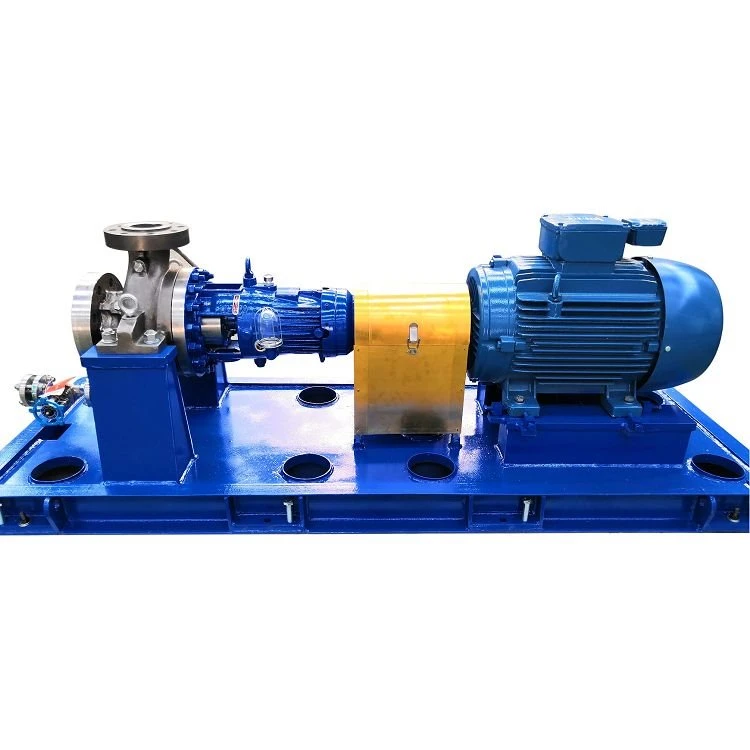
Impeller trimming should only be done by a qualified technician, as it requires specialized tools and knowledge. Trimming the impeller too much can cause the pump to operate inefficiently or even damage the pump. Before trimming the impeller, it's important to consult the pump manufacturer's specifications to determine the maximum allowable impeller diameter reduction.
3. Variable Frequency Drive (VFD)
A Variable Frequency Drive (VFD) is an electronic device that can be used to control the speed of the pump's motor. By adjusting the frequency of the electrical power supplied to the motor, the VFD can change the motor's speed and, consequently, the pump's flow rate.
Using a VFD offers several advantages over other flow rate adjustment methods. It allows for precise control of the flow rate, energy savings, and reduced wear and tear on the pump. However, VFDs can be expensive and require proper installation and programming.
4. Parallel or Series Pump Configuration
In some cases, you may be able to adjust the flow rate of a sea water pump system by configuring multiple pumps in parallel or series. When pumps are connected in parallel, the flow rate is increased while the head remains the same. Conversely, when pumps are connected in series, the head is increased while the flow rate remains the same.
The decision to use a parallel or series pump configuration depends on your specific application and flow rate requirements. It's important to consult with a pump expert to determine the most appropriate configuration for your system.
Safety Precautions When Adjusting the Flow Rate
When adjusting the flow rate of a sea water pump, it's important to follow these safety precautions: 1. Turn off the Power: Before making any adjustments to the pump or the piping system, make sure to turn off the power to the pump to avoid electrical shock. 2. Wear Protective Gear: When working with sea water pumps, it's important to wear appropriate protective gear, such as gloves and safety glasses, to protect yourself from injury. 3. Follow Manufacturer's Instructions: Always follow the manufacturer's instructions when adjusting the flow rate of the pump. Improper adjustment can damage the pump or the piping system and may void the warranty. 4. Monitor the System: After making any adjustments to the flow rate, monitor the pump and the piping system for any signs of leaks, vibrations, or abnormal noise. If you notice any issues, stop the pump immediately and consult a professional.
Conclusion
Adjusting the flow rate of a sea water pump is an important aspect of maintaining its optimal performance and efficiency. By understanding the factors that affect the flow rate and using the appropriate adjustment methods, you can ensure that your pump operates at the desired flow rate and meets your specific application requirements.
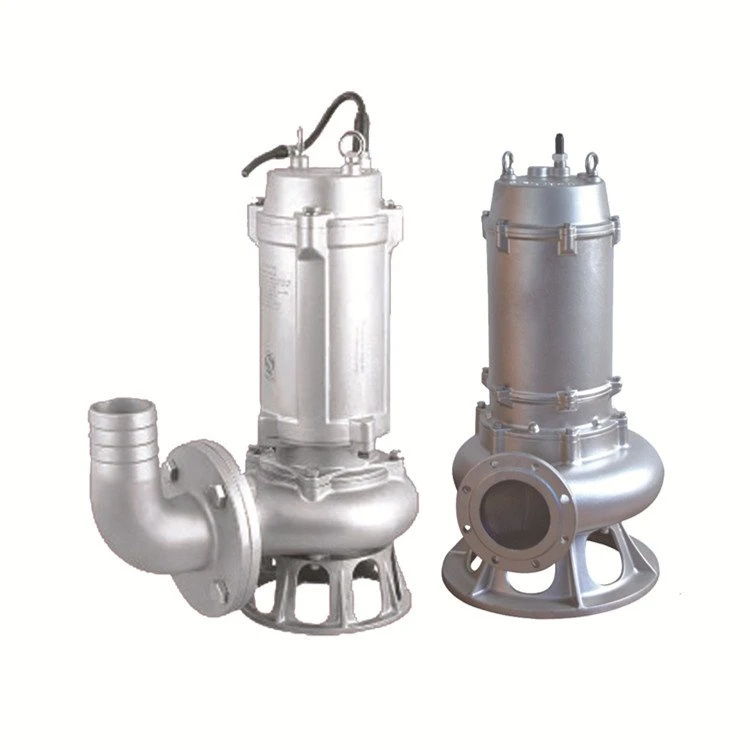
If you're in the market for a high-quality sea water pump or need assistance with flow rate adjustment, please don't hesitate to contact us. Our team of experts is ready to help you find the right pump solution for your needs and provide you with the support and guidance you need to ensure its proper operation.
References
- "Pump Handbook" by Igor Karassik et al.
- "Centrifugal Pumps: Design and Application" by Heinz P. Bloch and Allan R. Budris.
- Manufacturer's specifications and technical documentation for sea water pumps.