How does the material quality affect a bronze pump impeller?
As a supplier of bronze pump impellers, I've witnessed firsthand how the material quality can significantly impact the performance, durability, and overall value of these essential components. In this blog post, I'll delve into the various ways material quality affects a bronze pump impeller, drawing on my industry experience and knowledge.
Performance
The performance of a pump impeller is crucial for the efficient operation of a pump system. High - quality bronze material can enhance the impeller's performance in several ways. Firstly, a well - crafted bronze impeller with high - grade material has a smooth surface finish. This smoothness reduces friction as the fluid passes through the impeller, allowing for more efficient fluid flow. When the fluid can move through the impeller with less resistance, the pump can achieve a higher flow rate and better head pressure.
Secondly, the material's density and uniformity play a role in the impeller's dynamic balance. A bronze impeller made from high - quality material has a consistent density throughout, which helps in maintaining proper balance during rotation. An imbalanced impeller can cause vibrations, which not only reduce the pump's efficiency but also lead to premature wear and tear on other pump components. In contrast, a balanced impeller made from good - quality bronze ensures stable operation, resulting in a more reliable and efficient pump system.
Durability
Durability is a key factor when it comes to pump impellers, especially in industrial applications where pumps are often subjected to harsh operating conditions. The quality of the bronze material directly affects the impeller's ability to withstand these conditions. High - quality bronze contains the right alloying elements in the correct proportions. For example, adding elements like tin, zinc, and lead in appropriate amounts can enhance the bronze's corrosion resistance.
In corrosive environments, such as those found in chemical processing plants or marine applications, a bronze impeller made from low - quality material may quickly corrode. Corrosion can lead to pitting on the impeller surface, which disrupts the fluid flow and reduces the impeller's efficiency. Over time, severe corrosion can cause the impeller to fail completely. On the other hand, a high - quality bronze impeller with excellent corrosion resistance can withstand these harsh environments for a much longer time, reducing the need for frequent replacements and minimizing downtime.
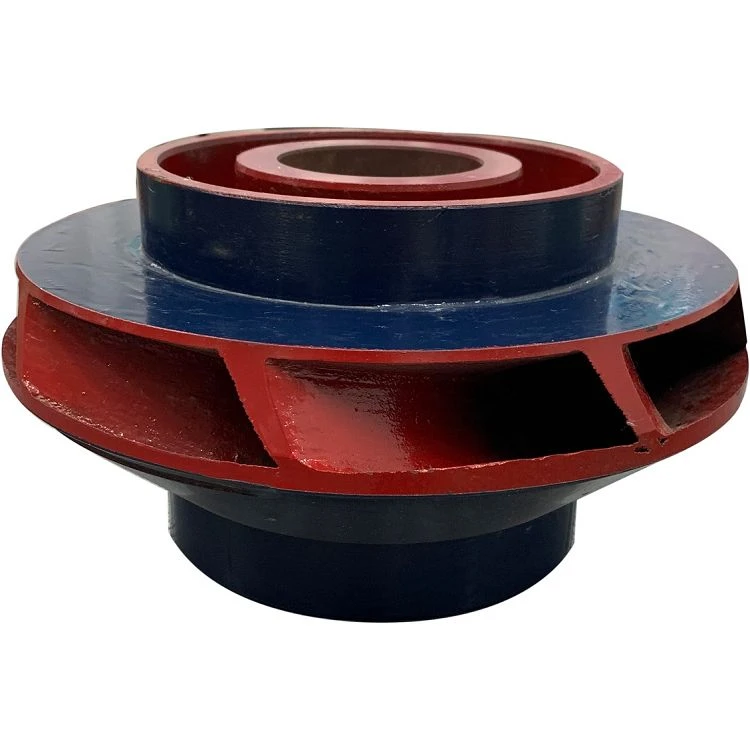
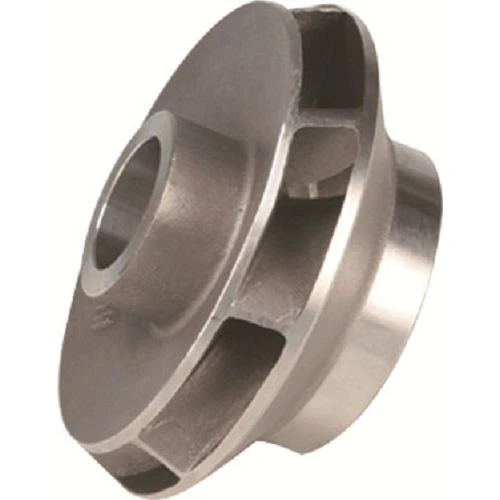
Another aspect of durability is the impeller's resistance to erosion. In applications where the pumped fluid contains solid particles, such as in mining or wastewater treatment, the impeller is at risk of erosion. High - quality bronze has better hardness and toughness, which enables it to resist the abrasive action of the solid particles. A well - made bronze impeller can maintain its shape and performance even when exposed to abrasive fluids for extended periods.
Cost - effectiveness
While high - quality bronze pump impellers may have a higher upfront cost compared to those made from lower - quality materials, they offer greater cost - effectiveness in the long run. As mentioned earlier, their superior performance and durability mean that they require fewer replacements. This reduces the overall cost of ownership, as the cost of purchasing new impellers and the labor cost associated with installation are minimized.
In addition, the improved efficiency of high - quality bronze impellers can lead to energy savings. A pump that operates more efficiently due to a well - made impeller consumes less power, resulting in lower electricity bills over time. This energy efficiency not only saves money but also makes the pump system more environmentally friendly.
Comparison with other materials
When considering pump impellers, it's important to compare bronze with other common materials such as cast iron and stainless steel. Cast Iron Pump Impeller is a popular choice due to its relatively low cost. However, cast iron has lower corrosion resistance compared to bronze. In applications where the pumped fluid is corrosive, cast iron impellers may not last as long as bronze impellers, leading to more frequent replacements.
Stainless Steel Pump Impeller offers excellent corrosion resistance, but it can be more expensive than bronze. Stainless steel also has different mechanical properties, and in some cases, bronze may be a better choice in terms of performance and cost - effectiveness. For example, in applications where the impeller needs to have good machinability and a certain level of flexibility, bronze may be more suitable.
Bronze Pump Impeller strikes a good balance between cost, performance, and durability. It offers better corrosion resistance than cast iron and is often more cost - effective than stainless steel in many applications.
Conclusion
In conclusion, the material quality of a bronze pump impeller has a profound impact on its performance, durability, and cost - effectiveness. As a supplier, I understand the importance of providing high - quality bronze impellers to meet the diverse needs of our customers. Whether it's for industrial, commercial, or residential applications, a well - made bronze impeller can ensure the smooth and efficient operation of a pump system.
If you're in the market for a reliable and high - performance bronze pump impeller, I encourage you to reach out to discuss your specific requirements. We can work together to find the best solution for your pump system, ensuring that you get the most value for your investment.
References
- ASM Handbook Committee. (2001). ASM Handbook Volume 2: Properties and Selection: Nonferrous Alloys and Special - Purpose Materials. ASM International.
- Daugherty, R. L., Franzini, J. B., & Finnemore, E. J. (1985). Fluid Mechanics With Engineering Applications. McGraw - Hill.
- Incropera, F. P., & DeWitt, D. P. (2002). Fundamentals of Heat and Mass Transfer. John Wiley & Sons.