As a seasoned supplier in the field of pump discharge, I've witnessed firsthand the diverse challenges that customers often encounter. In this blog, I'll delve into the common problems associated with pump discharge, offering insights and solutions based on my years of experience.
1. Cavitation
Cavitation is one of the most prevalent issues in pump discharge systems. It occurs when the pressure at the pump inlet drops below the vapor pressure of the liquid being pumped. As a result, vapor bubbles form in the liquid. When these bubbles reach the high - pressure area of the pump, they collapse suddenly, creating shockwaves that can damage the pump impeller, casing, and other internal components.
The signs of cavitation are quite distinct. You may notice a loud, crackling noise coming from the pump, similar to the sound of gravel passing through the system. Vibration levels also tend to increase significantly. Over time, cavitation can lead to pitting and erosion of the pump parts, reducing the pump's efficiency and lifespan.
To address cavitation, it's crucial to ensure that the net positive suction head available (NPSHa) is greater than the net positive suction head required (NPSHr) by the pump. This can be achieved by increasing the liquid level in the suction tank, reducing the suction line length and friction losses, or using a pump with a lower NPSHr requirement. For more information on high - quality pump discharge components that can withstand cavitation, you can check out our Cast Iron Pump Discharge.
2. Leakage
Leakage is another common problem in pump discharge systems. It can occur at various points, such as the pump seals, gaskets, or connections. Leaks not only result in the loss of valuable fluids but can also pose safety hazards, especially if the pumped liquid is toxic, flammable, or corrosive.
There are several reasons for leakage. Worn - out seals are a frequent culprit. Over time, the seals can degrade due to continuous friction, exposure to chemicals, or high temperatures. Improper installation of gaskets can also lead to leaks. If the gasket is not properly aligned or tightened, there will be gaps through which the liquid can escape.
To prevent leakage, regular inspection and maintenance of seals and gaskets are essential. Replace worn - out seals promptly and ensure that gaskets are installed correctly. Using high - quality sealing materials can also significantly reduce the risk of leakage. Our Stainless Steel Pump Discharge is designed with precision to minimize the chances of leakage, thanks to its excellent sealing mechanisms.
3. Low Flow Rate
A low flow rate from the pump discharge can be a frustrating problem. It can be caused by a variety of factors, including clogged impellers, worn - out pump parts, or incorrect pump sizing.
Clogged impellers are often the result of debris or foreign objects entering the pump. These can restrict the flow of liquid through the impeller, reducing the pump's ability to generate the required flow rate. Worn - out pump parts, such as the impeller or volute, can also lead to a decrease in flow rate. As these parts wear down, they become less efficient at transferring energy to the liquid.
In some cases, the pump may simply be undersized for the application. If the pump is not capable of handling the required flow rate and head, it will struggle to deliver the desired performance.
To solve the low - flow - rate problem, start by inspecting the impeller for any blockages and clean it if necessary. If the pump parts are worn, replace them with new ones. And when selecting a pump, make sure to choose the right size based on the specific requirements of your application.
4. High Vibration
Excessive vibration in a pump discharge system can be a sign of underlying problems. It can be caused by mechanical issues, such as misalignment of the pump and motor, unbalanced impellers, or loose mounting bolts.
Misalignment occurs when the pump and motor shafts are not properly aligned. This can lead to uneven forces on the bearings and other components, causing vibration. An unbalanced impeller can also generate significant vibration. If the impeller is not balanced correctly, it will create centrifugal forces that cause the pump to vibrate. Loose mounting bolts can allow the pump to move slightly during operation, resulting in vibration.
High vibration not only affects the pump's performance but can also lead to premature wear and failure of components. To reduce vibration, ensure proper alignment of the pump and motor during installation. Balance the impeller regularly to maintain smooth operation. And always check and tighten the mounting bolts to prevent any movement.
5. Corrosion
Corrosion is a major concern, especially when pumping corrosive liquids. It can damage the pump discharge components, leading to leaks, reduced efficiency, and ultimately, pump failure.
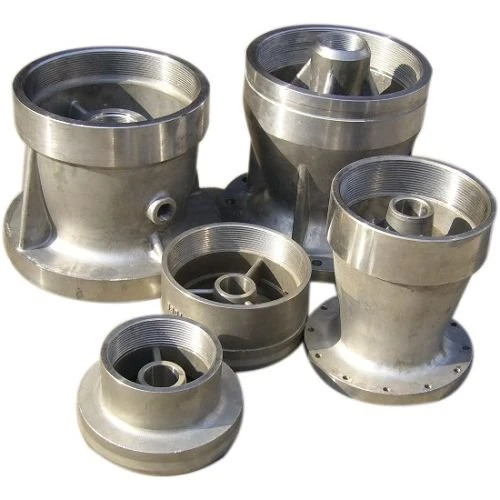
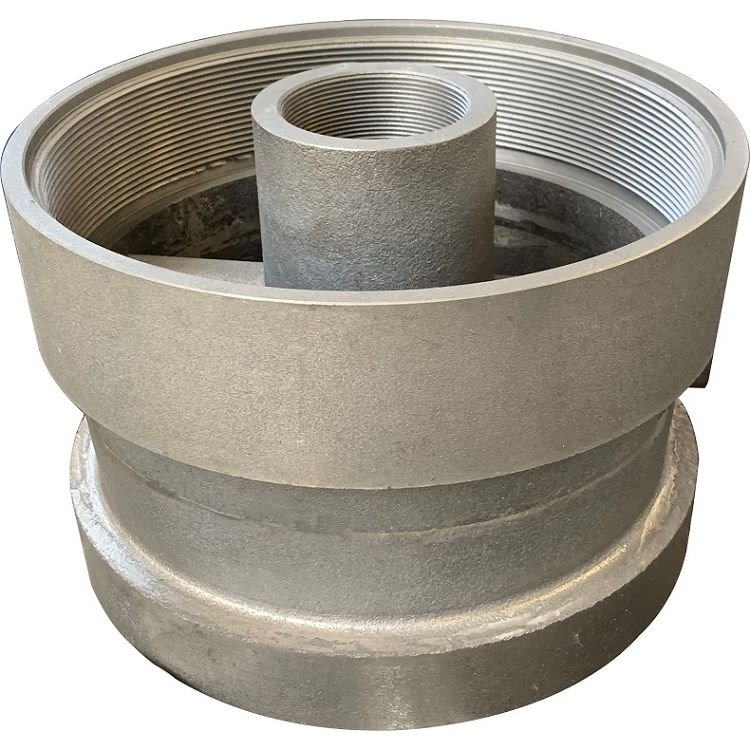
The type of corrosion depends on the nature of the pumped liquid and the materials of the pump components. For example, if the liquid is acidic, it can cause acid corrosion of the metal parts. Oxidation can also occur when the pump is exposed to oxygen in the air or in the liquid.
To combat corrosion, it's important to choose the right materials for the pump discharge components. Stainless steel is a popular choice due to its excellent corrosion - resistance properties. Our Stainless Steel Pump Discharge is specifically designed to withstand a wide range of corrosive environments, ensuring long - term reliability.
6. Noise
Unusual noise from the pump discharge can be a sign of various problems. As mentioned earlier, cavitation can produce a distinct crackling noise. In addition, mechanical issues such as loose parts, worn - out bearings, or rubbing components can also generate noise.
Loose parts can rattle during pump operation, creating a knocking or rattling sound. Worn - out bearings may produce a high - pitched whining noise. Rubbing components, such as the impeller against the casing, can cause a grinding noise.
To address noise issues, first, identify the source of the noise. If it's due to cavitation, take the necessary steps to eliminate it. For mechanical problems, tighten loose parts, replace worn - out bearings, and check for any rubbing components.
Conclusion
In conclusion, the problems associated with pump discharge can have a significant impact on the performance and reliability of your pumping system. By being aware of these common issues and taking proactive measures to prevent and address them, you can ensure the smooth operation of your pumps and extend their lifespan.
As a trusted pump discharge supplier, we are committed to providing high - quality products and expert advice to help you overcome these challenges. Whether you need a Cast Iron Pump Discharge or a Stainless Steel Pump Discharge, we have the right solution for you.
If you're facing any pump discharge problems or are looking to upgrade your existing system, don't hesitate to contact us for a detailed discussion. Our team of experts is ready to assist you in finding the best solutions for your specific needs.
References
- [Pump Handbook](author not specified)
- [Fluid Mechanics and Pump Systems](author not specified)
- Industry whitepapers on pump maintenance and troubleshooting