In the realm of fluid handling systems, pumps play a pivotal role in ensuring the efficient transfer of liquids from one point to another. The pump discharge, which is the outlet through which the fluid exits the pump, is a critical component in this process. One key factor that significantly influences pump discharge is the operating point. As a dedicated Pump Discharge supplier, I have witnessed firsthand how the operating point can have far - reaching effects on the performance and functionality of pump discharges. In this blog, I will delve into the relationship between the operating point and pump discharge, exploring the various ways in which the former impacts the latter.
Understanding the Operating Point
The operating point of a pump is the specific combination of flow rate and head at which the pump operates within a given system. The flow rate refers to the volume of fluid that the pump can move per unit of time, typically measured in gallons per minute (GPM) or cubic meters per hour (m³/h). The head, on the other hand, represents the energy imparted to the fluid by the pump, which is used to overcome the resistance in the system, such as friction losses in pipes, elevation changes, and pressure differences.
The operating point is determined by the intersection of the pump performance curve and the system curve. The pump performance curve is a graphical representation of the relationship between the flow rate and head that a pump can achieve under specific conditions. It is unique to each pump model and is typically provided by the pump manufacturer. The system curve, on the other hand, shows the relationship between the flow rate and the total head required to move the fluid through the system. It takes into account factors such as pipe diameter, length, roughness, and the presence of valves and fittings.
Impact on Flow Rate at Pump Discharge
One of the most direct ways in which the operating point affects pump discharge is through its influence on the flow rate. When the operating point is located at a higher flow rate on the pump performance curve, the pump will deliver a larger volume of fluid through the discharge. This can be beneficial in applications where a high volume of fluid needs to be transferred quickly, such as in large - scale industrial processes or water supply systems.
Conversely, if the operating point is at a lower flow rate, the pump will discharge a smaller volume of fluid. This may be appropriate in applications where a more precise and controlled flow is required, such as in chemical dosing or laboratory equipment. However, operating a pump at a flow rate that is too low can lead to problems such as cavitation, which occurs when the pressure at the pump inlet drops below the vapor pressure of the fluid, causing the formation of vapor bubbles. These bubbles can collapse violently within the pump, leading to damage to the impeller and other components, and ultimately reducing the efficiency and lifespan of the pump.
Influence on Head and Pressure at Pump Discharge
The operating point also has a significant impact on the head and pressure at the pump discharge. As the operating point moves along the pump performance curve, the head and pressure at the discharge will change accordingly. When the operating point is at a higher head, the pump will generate a greater pressure at the discharge, which is necessary to overcome the resistance in the system. This is important in applications where the fluid needs to be pumped to a higher elevation or through a long and narrow pipe.
For example, in a water distribution system that supplies water to a multi - story building, the pump needs to generate a sufficient head to overcome the elevation difference and the friction losses in the pipes. If the operating point is not set correctly, the pump may not be able to deliver the required pressure, resulting in low water pressure at the upper floors.
On the other hand, if the operating point is at a lower head, the pressure at the pump discharge will be lower. This can be advantageous in applications where a lower pressure is required, such as in some irrigation systems or low - pressure cleaning applications. However, operating the pump at a head that is too low can also lead to inefficiencies, as the pump may be operating outside of its optimal range.
Effects on Pump Efficiency and Energy Consumption
The operating point has a direct bearing on the efficiency of the pump and, consequently, its energy consumption. Pumps are designed to operate most efficiently at a specific point on their performance curve, known as the best efficiency point (BEP). When the operating point is close to the BEP, the pump will convert a higher percentage of the input power into useful work, resulting in lower energy consumption.
If the operating point deviates significantly from the BEP, the pump efficiency will decrease, and the energy consumption will increase. For instance, if the pump is operating at a flow rate that is much higher or lower than the BEP, the internal losses within the pump, such as friction losses and recirculation losses, will increase, reducing the overall efficiency of the pump. This not only leads to higher energy costs but also puts additional stress on the pump components, increasing the likelihood of premature failure.
Material Considerations for Pump Discharge Based on Operating Point
The operating point can also influence the choice of material for the pump discharge. Different operating conditions, such as flow rate, pressure, and the type of fluid being pumped, require different materials to ensure the durability and performance of the pump discharge.
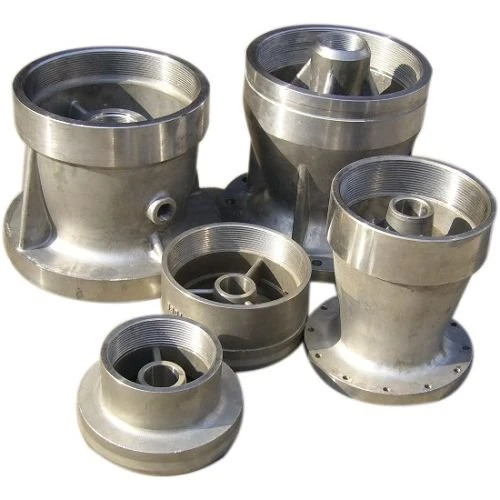
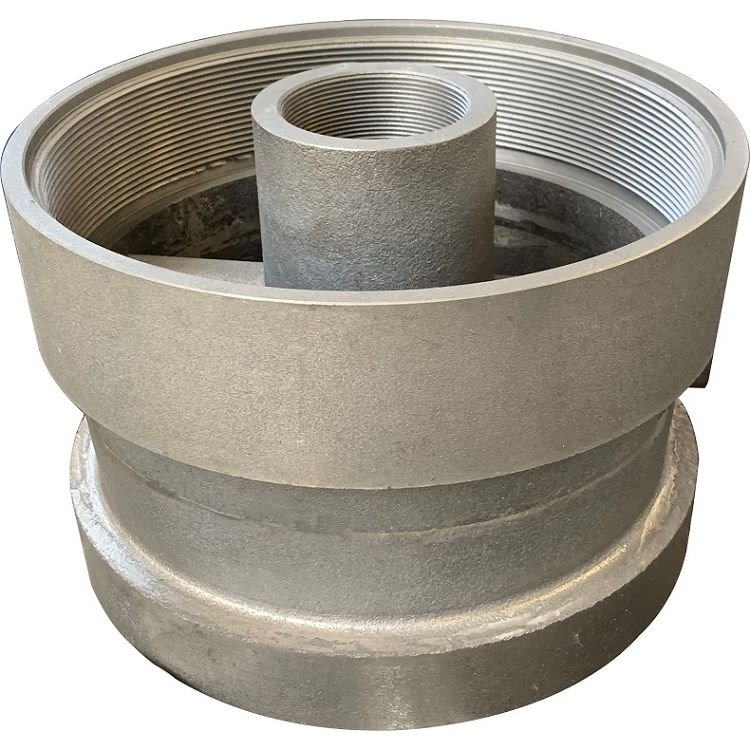
For applications where high - pressure and high - flow rates are involved, Stainless Steel Pump Discharge is often a preferred choice. Stainless steel is known for its high strength, corrosion resistance, and ability to withstand high pressures. It is suitable for pumping a wide range of fluids, including corrosive chemicals and abrasive slurries.
On the other hand, for applications with lower pressures and less aggressive fluids, Cast Iron Pump Discharge can be a cost - effective option. Cast iron is relatively inexpensive and has good mechanical properties, making it suitable for many general - purpose pumping applications.
Contact for Purchase and Consultation
As a Pump Discharge supplier, I understand the importance of choosing the right pump discharge based on the operating point and other system requirements. Whether you are looking for a Stainless Steel Pump Discharge for high - pressure applications or a Cast Iron Pump Discharge for more budget - friendly solutions, I can provide you with high - quality products and professional advice.
If you have any questions about how the operating point affects pump discharge or need assistance in selecting the appropriate pump discharge for your application, please feel free to contact me. I am committed to helping you find the best solutions for your fluid handling needs.
References
- Karassik, I. J., Messina, J. P., Cooper, P. T., & Heald, C. C. (2008). Pump Handbook. McGraw - Hill Professional.
- Stepanoff, A. J. (1957). Centrifugal and Axial Flow Pumps: Theory, Design, and Application. John Wiley & Sons.
- Idelchik, I. E. (2007). Handbook of Hydraulic Resistance. Begell House Inc.