Hey there! I'm a supplier of Pump Control Panel, and I'm super stoked to chat with you about how a pump control panel manages pump vibration. It's a topic that doesn't get enough buzz, but it's seriously crucial for keeping those pumps running smoothly.
Let's first understand why pump vibration is such a big deal. Pumps are the workhorses in all sorts of industries, from water treatment to oil and gas. They move fluids around, and all that mechanical action can lead to vibrations. These vibrations aren't just annoying noises and shakes. If left unchecked, they can cause some serious problems. Over time, excessive vibration can wear out the pump's components, like bearings and seals. It can also lead to loosening of bolts and even structural damage to the pump and the surrounding equipment. This not only means costly repairs but also unplanned downtime, which is a nightmare for any business.
So, how does a pump control panel come into the picture? Well, a good pump control panel is like the brain of the pump system. It's designed to monitor, control, and protect the pump from various issues, including vibration.
One of the key ways a pump control panel handles vibration is through sensors. These sensors are like little detectives that keep a close eye on the pump's movements. They're usually placed at strategic locations on the pump, such as near the motor or the pump housing. The sensors can detect even the slightest change in vibration levels. There are different types of sensors used for this purpose. Accelerometers are a popular choice. They measure the acceleration of the pump's movement, which gives an indirect measure of the vibration. If the vibration levels start to get out of the normal range, the sensor sends a signal to the control panel.
Once the control panel receives the signal from the sensor, it goes into action. Think of it like a safety officer stepping in when things start to go wrong. The control panel can be programmed to take different actions depending on the severity of the vibration.
For mild vibrations, the control panel might adjust the pump's operating parameters. For example, it could change the speed of the pump motor. Sometimes, a small change in speed can reduce the vibration by avoiding resonance frequencies. Resonance is like when you push a swing at just the right time, and it goes really high. In a pump, if the vibration frequency matches the natural frequency of the pump or its components, it can cause the vibration to amplify. By adjusting the speed, the control panel can move the pump away from these dangerous resonance points.
If the vibration persists or gets worse, the control panel can send out an alarm. This could be a visual alarm, like a flashing light on the control panel, or an audible alarm, like a buzzer. The alarm is a big red flag, alerting the maintenance team that there's an issue that needs to be addressed.
In serious cases of excessive vibration, the control panel can even shut down the pump. This might seem drastic, but it's actually a smart move to prevent further damage. If the pump is vibrating so much that it's on the verge of breaking down, shutting it off can save the pump from complete destruction. And it also gives the maintenance crew a chance to inspect the pump and figure out what's causing the problem.
Another aspect of how a pump control panel handles vibration is through data collection and analysis. The control panel can record all the vibration data it receives from the sensors. This data is a goldmine of information. It can show trends over time, like whether the vibration is gradually increasing or if there are sudden spikes. By analyzing this data, maintenance teams can predict potential problems before they happen. They can schedule preventive maintenance based on the data, which is way more cost - effective than waiting for a breakdown to occur.
The control panel also allows for remote monitoring. This is a game - changer, especially for pumps that are located in hard - to - reach places or in multiple locations. With remote monitoring, operators can access the control panel's data from anywhere using a computer or a mobile device. They can check the vibration levels in real - time and take action if needed. This means that even if the pump is miles away, it's still under constant surveillance.
Now, let's talk about customization. Every pump system is different, and so are the vibration requirements. That's why our Pump Control Panel can be customized to meet the specific needs of your pump. We can adjust the sensitivity of the sensors, set the alarm thresholds according to your preferences, and program the actions the control panel should take in case of vibration. Whether you have a small domestic pump or a large industrial one, our control panels can be tailored to keep your pump in check.
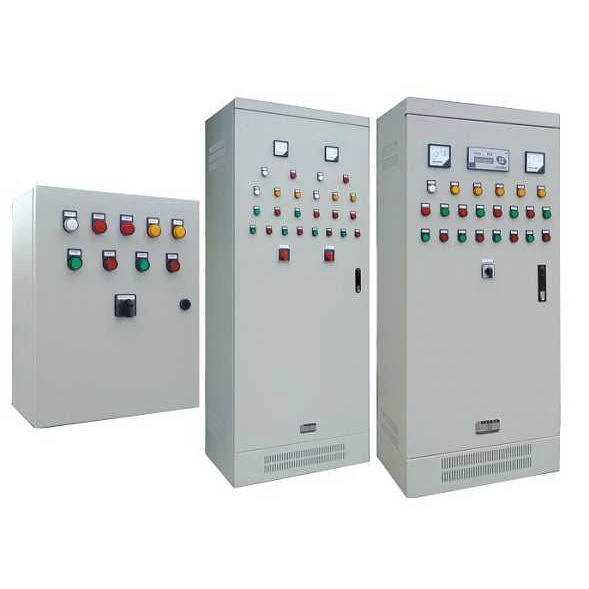
In addition to handling vibration, our pump control panels offer other great features. They can manage the pump's start - stop functions, protect against over - current and over - voltage, and they're built to be durable and reliable. We use high - quality components and the latest technology to ensure that our control panels perform at their best in all sorts of environments.
If you're in the market for a reliable and efficient pump control panel, you've come to the right place. As a supplier, we're committed to providing you with the best products and services. Our team of experts is always ready to help you choose the right control panel for your pump, and we can offer support and advice on installation, operation, and maintenance.
Don't let pump vibration cause headaches and cost you money. Take control of your pump system with our Pump Control Panel. If you're interested in learning more about our products or have any questions, don't hesitate to get in touch. Let's have a chat and see how we can work together to keep your pumps running smoothly.
References
- "Pump Handbook" by Karassik, I. J.
- Technical papers on pump control systems from industry - leading organizations.