Hey there! I'm in the pump discharge supply business, and today I wanna chat about how a pump's wear and tear can mess with its discharge. It's super important for anyone using pumps, whether it's in a small factory or a big industrial plant.
First off, let's talk about what wear and tear actually means for a pump. Pumps are like workhorses. They keep running day in and day out, moving all sorts of fluids - water, chemicals, you name it. Over time, the constant movement and contact with these fluids take a toll on the pump's parts. The impeller, which is like the heart of the pump, can get eroded. The casing can develop cracks or holes. And the seals can start to leak.
So, how does all this damage affect the pump discharge? Well, one of the most obvious things is a drop in flow rate. When the impeller wears out, it can't push the fluid as efficiently as it used to. It's like trying to push a heavy load with a weak muscle. The result? Less fluid gets pumped out per minute. This can be a real problem in applications where a consistent flow rate is crucial, like in a water treatment plant. If the flow rate drops, the treatment process might not work properly, and you could end up with sub - standard water quality.
Another issue is a change in pressure. As the pump parts wear, the internal pressure within the pump can change. A worn impeller might not be able to generate enough pressure to push the fluid through the pipes to its destination. This is especially a problem in systems where the fluid has to be pumped over long distances or to high elevations. For example, in a high - rise building's water supply system, if the pump can't maintain the right pressure, the water might not reach the upper floors.
The quality of the discharge can also be affected. When the pump casing has cracks or holes, it can allow air to enter the system. This can cause cavitation, which is basically the formation and collapse of vapor bubbles in the fluid. Cavitation not only reduces the pump's efficiency but can also damage the pump further. And it can make the fluid coming out of the pump less consistent. You might get a pulsing flow instead of a smooth one, which can be a big headache in applications like chemical dosing, where precise amounts of fluid need to be delivered.
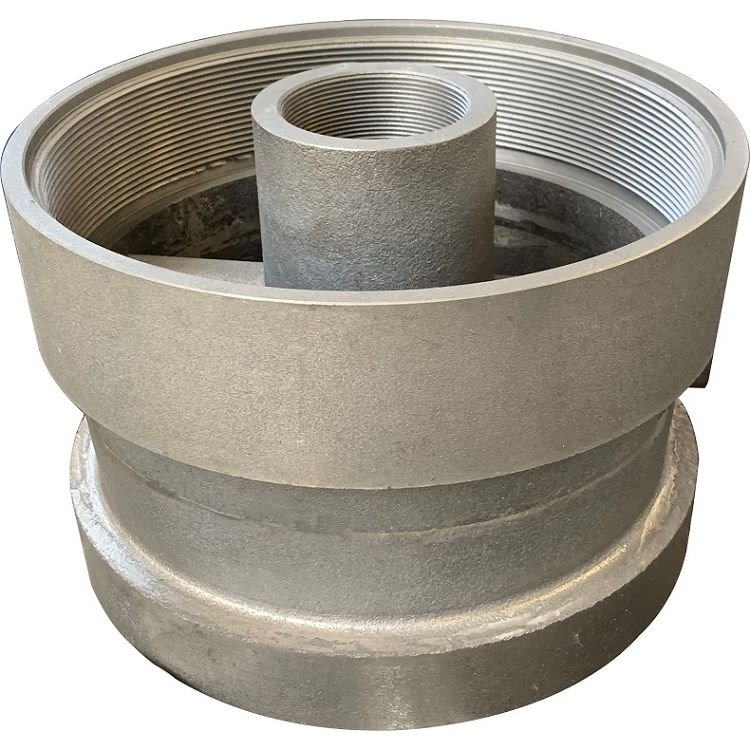
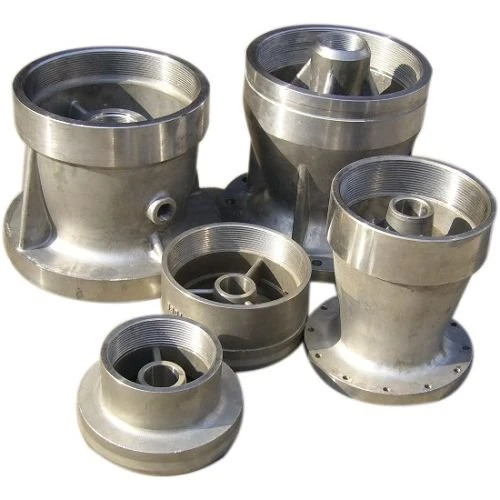
Now, let's talk about the different types of pump discharges we offer. We have Cast Iron Pump Discharge and Stainless Steel Pump Discharge. Cast iron pump discharges are great for general - purpose applications. They're durable and can handle a wide range of fluids. But they can be prone to corrosion over time, especially if they're used with corrosive fluids.
On the other hand, stainless steel pump discharges are more resistant to corrosion. They're perfect for applications where the fluid is acidic or contains chemicals that can eat away at other materials. However, they can be a bit more expensive. But in the long run, they can save you money by reducing the need for frequent replacements due to wear and tear.
If you're experiencing problems with your pump discharge due to wear and tear, it's important to act fast. Ignoring the issue can lead to more serious damage and higher repair costs down the line. You might need to replace some of the worn parts, or in some cases, the whole pump.
We're here to help you find the right pump discharge solution for your needs. Whether you're dealing with a small - scale problem in a home - based workshop or a large - scale industrial issue, we've got the expertise and the products to get you back up and running.
If you're interested in learning more about our pump discharges or have any questions about how wear and tear might be affecting your pump, don't hesitate to reach out. We're always happy to have a chat and help you figure out the best course of action. Whether it's choosing the right material for your pump discharge or getting advice on maintenance, we're here for you. Let's work together to keep your pumps running smoothly and your operations efficient.
References:
- "Pump Handbook" by Igor J. Karassik et al.
- "Centrifugal Pumps: Design and Application" by Heinz P. Bloch and Fred K. Geitner.