Enhancing the corrosion resistance of pump parts is a critical concern for industries that rely on pumps for various applications. As a leading Pump Parts supplier, we understand the challenges faced by our customers in maintaining the longevity and efficiency of their pumps in corrosive environments. In this blog post, we will explore several effective strategies to enhance the corrosion resistance of pump parts, drawing on our expertise and industry knowledge.
Understanding Corrosion in Pump Parts
Corrosion is a natural process that occurs when metals react with their environment, leading to the deterioration of the material. In the context of pump parts, corrosion can be caused by a variety of factors, including the presence of chemicals, high temperatures, and abrasive particles in the fluid being pumped. Common types of corrosion in pump parts include general corrosion, pitting corrosion, crevice corrosion, and stress corrosion cracking.
General corrosion occurs uniformly across the surface of the metal, resulting in a gradual loss of material. Pitting corrosion, on the other hand, is characterized by the formation of small holes or pits on the metal surface, which can lead to rapid deterioration and failure of the pump part. Crevice corrosion occurs in narrow gaps or crevices between two metal surfaces, where the stagnant fluid can create a corrosive environment. Stress corrosion cracking is a combination of mechanical stress and corrosion, which can cause cracks to form and propagate in the metal, leading to catastrophic failure.
Material Selection
One of the most effective ways to enhance the corrosion resistance of pump parts is to select the right materials. Different materials have different levels of resistance to corrosion, depending on their chemical composition and microstructure. When choosing materials for pump parts, it is important to consider the specific corrosive environment in which the pump will operate, as well as the mechanical properties and cost of the material.
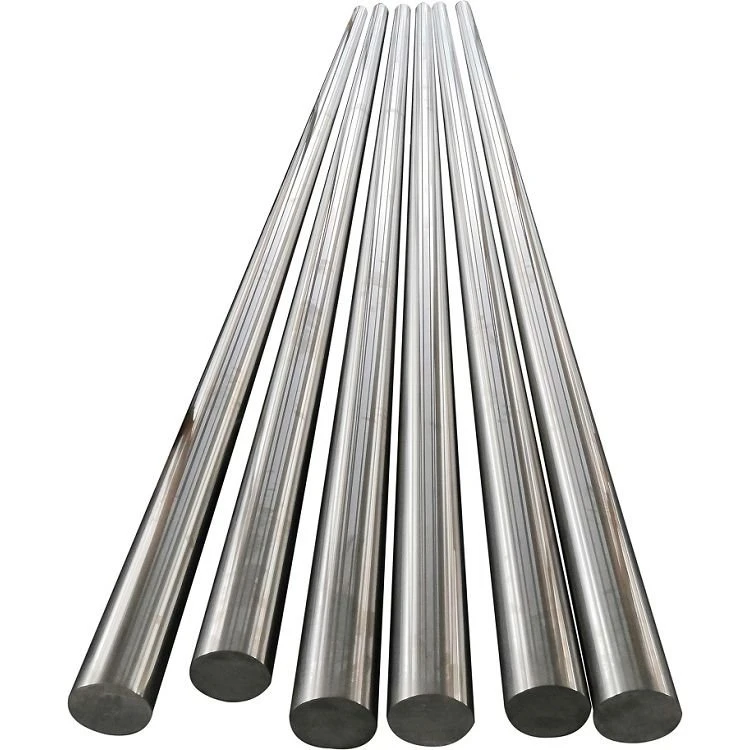
Stainless steel is a popular choice for pump parts due to its excellent corrosion resistance, high strength, and good weldability. There are several grades of stainless steel available, each with different levels of corrosion resistance and mechanical properties. For example, 304 stainless steel is commonly used in mild corrosive environments, while 316 stainless steel is more resistant to corrosion in chloride-containing environments, such as seawater.
Another option is to use non-metallic materials, such as plastics and ceramics, which are inherently resistant to corrosion. Plastics, such as polyvinyl chloride (PVC), polypropylene (PP), and polyethylene (PE), are lightweight, inexpensive, and easy to fabricate. Ceramics, on the other hand, are highly resistant to wear and corrosion, but they are also brittle and expensive.
In addition to the base material, the surface finish of the pump part can also affect its corrosion resistance. A smooth surface finish can reduce the likelihood of corrosion by minimizing the surface area available for corrosion to occur. Therefore, it is important to ensure that the pump parts are properly machined and polished to achieve a smooth surface finish.
Surface Treatment
Surface treatment is another effective way to enhance the corrosion resistance of pump parts. There are several surface treatment methods available, each with different advantages and disadvantages. Some of the most common surface treatment methods for pump parts include coating, plating, and passivation.
Coating involves applying a layer of protective material to the surface of the pump part to prevent corrosion. There are several types of coatings available, including epoxy coatings, polyurethane coatings, and ceramic coatings. Epoxy coatings are commonly used in industrial applications due to their excellent adhesion, chemical resistance, and durability. Polyurethane coatings are more flexible and resistant to abrasion, making them suitable for applications where the pump parts are subject to mechanical stress. Ceramic coatings are highly resistant to wear and corrosion, but they are also brittle and expensive.
Plating involves depositing a layer of metal onto the surface of the pump part to improve its corrosion resistance. There are several types of plating available, including nickel plating, chrome plating, and zinc plating. Nickel plating is commonly used in applications where the pump parts are exposed to acidic or alkaline environments, as it provides excellent corrosion resistance. Chrome plating is more resistant to wear and corrosion, making it suitable for applications where the pump parts are subject to high levels of mechanical stress. Zinc plating is a cost-effective way to provide corrosion protection for pump parts in mild corrosive environments.
Passivation is a chemical treatment process that involves removing the free iron from the surface of the stainless steel pump part to form a passive oxide layer. This passive oxide layer provides a barrier between the metal and the environment, preventing corrosion from occurring. Passivation is commonly used in applications where the stainless steel pump parts are exposed to mild corrosive environments, such as water or air.
Design Considerations
The design of the pump parts can also have a significant impact on their corrosion resistance. When designing pump parts, it is important to consider the following factors:
- Avoidance of crevices and stagnant areas: Crevices and stagnant areas can create a corrosive environment by trapping fluid and preventing oxygen from reaching the metal surface. Therefore, it is important to design the pump parts to avoid crevices and stagnant areas as much as possible.
- Proper drainage: Proper drainage is essential to prevent the accumulation of fluid in the pump parts, which can lead to corrosion. Therefore, it is important to design the pump parts with proper drainage channels and holes to ensure that the fluid can flow freely through the pump.
- Minimization of stress concentrations: Stress concentrations can cause cracks to form in the pump parts, which can lead to corrosion and failure. Therefore, it is important to design the pump parts to minimize stress concentrations, such as by using rounded corners and smooth transitions.
- Compatibility of materials: When using different materials in the pump parts, it is important to ensure that they are compatible with each other to prevent galvanic corrosion. Galvanic corrosion occurs when two different metals are in contact with each other in the presence of an electrolyte, such as water.
Maintenance and Monitoring
Regular maintenance and monitoring are essential to ensure the long-term corrosion resistance of pump parts. By performing regular maintenance and inspections, it is possible to detect and address any corrosion issues before they become serious.
Some of the key maintenance tasks for pump parts include:
- Cleaning: Regular cleaning of the pump parts can help to remove any dirt, debris, or corrosive substances that may have accumulated on the surface. This can prevent the formation of corrosion and extend the life of the pump parts.
- Lubrication: Proper lubrication of the pump parts can help to reduce friction and wear, which can also prevent corrosion. It is important to use the right type of lubricant for the specific application and to follow the manufacturer's recommendations for lubrication intervals.
- Inspection: Regular inspection of the pump parts can help to detect any signs of corrosion, such as rust, pitting, or cracking. It is important to inspect the pump parts visually and using non-destructive testing methods, such as ultrasonic testing or magnetic particle testing, to detect any hidden defects.
- Replacement: If any of the pump parts are found to be corroded or damaged, it is important to replace them as soon as possible to prevent further damage to the pump.
In addition to regular maintenance, it is also important to monitor the corrosion rate of the pump parts over time. This can be done by using corrosion monitoring techniques, such as corrosion coupons or electrochemical sensors. By monitoring the corrosion rate, it is possible to detect any changes in the corrosive environment and take appropriate action to prevent corrosion.
Conclusion
Enhancing the corrosion resistance of pump parts is a critical concern for industries that rely on pumps for various applications. By selecting the right materials, applying appropriate surface treatments, designing the pump parts properly, and performing regular maintenance and monitoring, it is possible to significantly improve the corrosion resistance of pump parts and extend their service life.
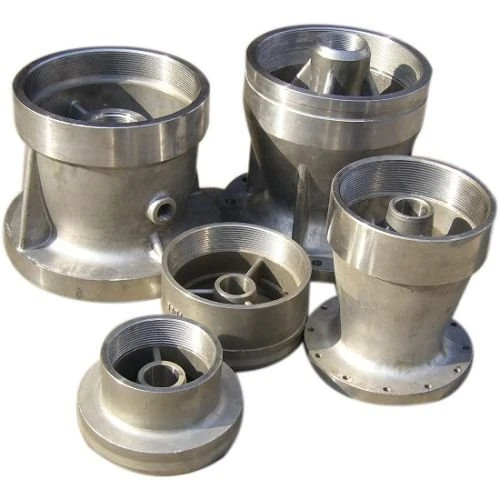
As a Pump Parts supplier, we are committed to providing our customers with high-quality pump parts that are designed to withstand the most challenging corrosive environments. We offer a wide range of pump parts made from different materials, including stainless steel, plastics, and ceramics, and we can also provide custom-designed pump parts to meet the specific needs of our customers.
If you are looking for high-quality pump parts with enhanced corrosion resistance, please visit our website at Sea Water Pump Parts or Pump Shaft to learn more about our products and services. We look forward to working with you to enhance the performance and reliability of your pumps.
References
- Fontana, M. G. (1986). Corrosion engineering (3rd ed.). McGraw-Hill.
- Uhlig, H. H., & Revie, R. W. (1985). Corrosion and corrosion control (3rd ed.). Wiley.
- Schweitzer, P. A. (2004). Corrosion resistance tables (5th ed.). McGraw-Hill.