In the world of fluid handling systems, pumps play a crucial role. Among the various components of a pump, the impeller stands out as a key element that significantly influences the pump's performance and physical characteristics. As a seasoned Pump Impeller supplier, I've witnessed firsthand how the size of a pump impeller can have far - reaching effects on the pump's footprint. In this blog, we'll delve into the relationship between impeller size and pump footprint, exploring the technical, practical, and economic aspects.
Understanding the Basics of Pump Impellers
Before we discuss the impact of impeller size on the pump's footprint, it's essential to understand what a pump impeller is. A pump impeller is a rotating component equipped with vanes or blades that transfers energy to the fluid being pumped. The energy transfer causes the fluid to move through the pump and into the system.
There are different types of pump impellers available, each designed for specific applications. For instance, Bronze Pump Impeller is known for its corrosion - resistance, making it suitable for use in marine and chemical applications. Stainless Steel Pump Impeller offers high strength and durability, often used in industrial settings where harsh conditions are present. Cast Iron Pump Impeller is a cost - effective option for general - purpose pumping tasks.
How Impeller Size Affects Pump Performance
The size of a pump impeller directly impacts the pump's performance parameters, such as flow rate, head, and efficiency. A larger impeller typically has a greater diameter, which means it can move more fluid per revolution. This results in a higher flow rate. The head, which is the height to which the pump can lift the fluid, also tends to increase with a larger impeller. The vanes on a larger impeller can impart more energy to the fluid, allowing it to overcome greater resistance.
However, increasing the impeller size is not always beneficial. There is an optimal impeller size for each pump design. If the impeller is too large, the pump may experience cavitation, a phenomenon where vapor bubbles form in the fluid due to low pressure. Cavitation can damage the impeller and reduce the pump's efficiency. It can also cause noise and vibration, which are undesirable in any pumping system.
The Relationship between Impeller Size and Pump Footprint
The pump footprint refers to the physical space occupied by the pump. It includes the base area, height, and any additional space required for maintenance and access. The size of the impeller has a direct impact on the pump footprint in several ways.
Physical Dimensions of the Pump
A larger impeller requires a larger casing to house it. The casing needs to be designed to accommodate the impeller's diameter and the flow path of the fluid. As a result, pumps with larger impellers tend to have larger physical dimensions. This means they need more floor space in a facility. For example, in a water treatment plant, where multiple pumps are installed, a larger - impeller pump will take up more room, potentially affecting the layout and design of the plant.
Mounting and Support Requirements
Larger impellers also have higher rotational inertia. This means that they require more robust mounting and support structures to ensure stable operation. The pump base needs to be stronger and more substantial to handle the additional forces generated by the larger impeller. In some cases, additional bracing or foundation work may be required. All these factors contribute to an increase in the overall footprint of the pump system.
Maintenance and Access
Pumps with larger impellers often require more extensive maintenance. The larger size makes it more difficult to access the impeller for inspection, repair, or replacement. As a result, more space needs to be allocated around the pump for maintenance activities. This additional space adds to the pump's footprint. For example, a technician may need to remove large covers or use special tools to reach the impeller, and they need enough room to maneuver safely.
Economic Considerations
The impact of impeller size on the pump's footprint also has economic implications. Larger - footprint pumps may require more expensive installation costs. The larger base, additional support structures, and extra space requirements all increase the upfront investment. In addition, the increased space occupied by the pump may limit the number of pumps that can be installed in a given area, potentially affecting the overall capacity of the pumping system.
On the other hand, using a smaller impeller may result in lower performance. If the pump cannot meet the required flow rate or head, it may lead to inefficiencies in the system. This can result in higher operating costs over time, as the pump may need to run longer or at a higher power to achieve the desired results.
Case Studies
Let's look at some real - world examples to illustrate the relationship between impeller size and pump footprint.
Case Study 1: Industrial Cooling System
In an industrial cooling system, a company was initially using pumps with relatively small impellers. The pumps were struggling to provide the required flow rate to cool the machinery effectively. To increase the performance, the company decided to upgrade to pumps with larger impellers. While the new pumps were able to meet the flow rate requirements, they also took up significantly more space in the equipment room. The company had to re - arrange the layout of the room and invest in additional support structures for the pumps.
Case Study 2: Municipal Water Supply
A municipal water supply system was experiencing low water pressure in certain areas. After an analysis, it was determined that the pumps in the water treatment plant needed to be upgraded. The engineers considered two options: increasing the impeller size of the existing pumps or installing new, larger - capacity pumps. After evaluating the available space and cost - effectiveness, they decided to increase the impeller size. However, they had to make modifications to the pump casings and the surrounding infrastructure to accommodate the larger impellers, which increased the pump's footprint.
Choosing the Right Impeller Size
As a Pump Impeller supplier, I understand that choosing the right impeller size is crucial for optimizing the pump's performance and minimizing its footprint. It requires a careful balance between the system requirements and the physical constraints of the installation site.
When selecting an impeller size, it's important to consider the following factors:
- System Requirements: Determine the required flow rate and head for the application. This will help in selecting an impeller size that can meet these requirements efficiently.
- Available Space: Evaluate the available space for the pump installation. If space is limited, a smaller - impeller pump may be a better choice, even if it means sacrificing some performance.
- Long - term Costs: Consider both the upfront installation costs and the long - term operating costs. A larger - impeller pump may have higher upfront costs but could be more energy - efficient in the long run.
Conclusion
The size of a pump impeller has a significant impact on the pump's footprint. While larger impellers can offer higher performance in terms of flow rate and head, they also increase the physical dimensions, mounting requirements, and maintenance space of the pump. This, in turn, affects the overall cost and layout of the pumping system.
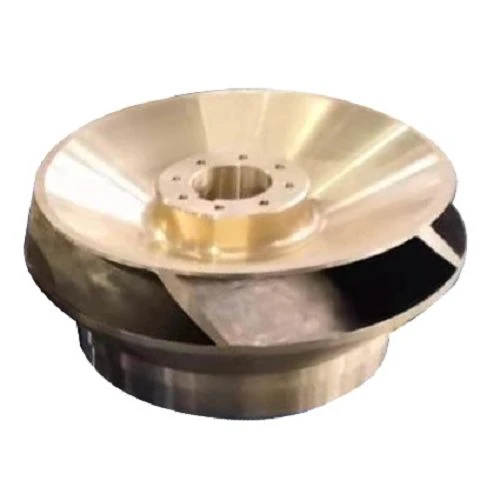
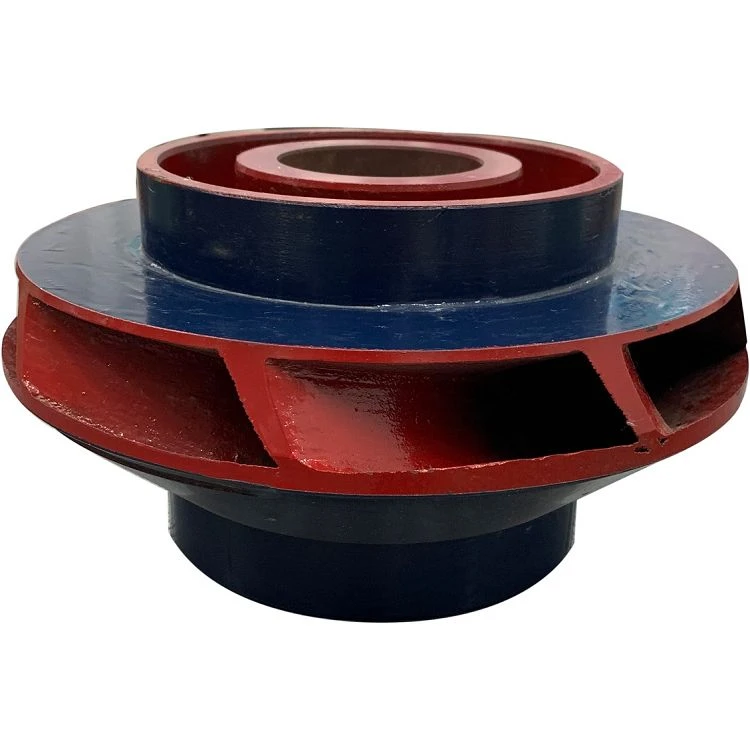
As a Pump Impeller supplier, I'm committed to helping our customers make informed decisions about impeller selection. We offer a wide range of impellers in different sizes and materials to meet the diverse needs of our clients. Whether you're looking for a Bronze Pump Impeller, Stainless Steel Pump Impeller, or Cast Iron Pump Impeller, we have the expertise to guide you through the selection process.
If you're interested in learning more about our pump impellers or need assistance in choosing the right impeller size for your application, please don't hesitate to reach out to us. We're here to help you optimize your pumping system and achieve the best results.
References
- Karassik, I. J., Messina, J. P., Cooper, P. T., & Heald, C. C. (2008). Pump Handbook. McGraw - Hill Professional.
- Stepanoff, A. J. (1957). Centrifugal and Axial Flow Pumps: Theory, Design, and Application. John Wiley & Sons.
- Idelchik, I. E. (2007). Handbook of Hydraulic Resistance. Begell House Inc.