Pump impellers are critical components in various pumping systems, playing a pivotal role in converting mechanical energy into hydraulic energy. As a leading Pump Impeller supplier, we understand the significance of pump impeller performance and the impact of wear on the performance curve. In this blog, we will delve into the effects of pump impeller wear on the performance curve, exploring how it influences key parameters such as head, flow rate, and efficiency.
Understanding the Pump Performance Curve
Before discussing the effects of impeller wear, it is essential to understand the pump performance curve. The performance curve is a graphical representation of the relationship between the pump's head (pressure), flow rate, power consumption, and efficiency. It provides valuable insights into the pump's operating characteristics under different conditions.
The head - flow rate curve is the most fundamental part of the performance curve. It shows how the pump's head changes with the flow rate. Typically, as the flow rate increases, the head decreases. The efficiency curve indicates the pump's efficiency at different flow rates, and the power curve shows the power consumption of the pump as the flow rate varies.
Causes of Pump Impeller Wear
Pump impeller wear can be caused by several factors, including:
- Erosion: Erosion occurs when solid particles in the fluid, such as sand or sediment, impact the impeller surface. This is common in applications where the pumped fluid contains abrasive materials, such as in mining, dredging, and wastewater treatment.
- Cavitation: Cavitation happens when the pressure in the pump drops below the vapor pressure of the fluid, causing vapor bubbles to form. When these bubbles collapse near the impeller surface, they can cause significant damage to the impeller material.
- Corrosion: Corrosion is the chemical reaction between the impeller material and the pumped fluid. This can occur when the fluid is acidic, alkaline, or contains corrosive substances.
Effects of Pump Impeller Wear on the Performance Curve
1. Head Reduction
One of the most significant effects of impeller wear is the reduction in the pump's head. As the impeller wears, the blade shape changes, and the impeller's ability to impart energy to the fluid decreases. This results in a lower pressure rise across the pump, leading to a downward shift of the head - flow rate curve.
For example, in a centrifugal pump, the head is proportional to the square of the impeller's rotational speed and the impeller diameter. When the impeller wears, the effective diameter and the blade angle change, reducing the head generated by the pump. As a result, the pump may not be able to achieve the desired pressure in the system, which can affect the overall performance of the pumping system.
2. Flow Rate Decrease
Impeller wear also leads to a decrease in the flow rate. The worn impeller cannot move the fluid as efficiently as a new one. The reduced head causes a decrease in the pressure difference across the pump, which in turn reduces the flow rate.
The flow rate - head relationship is governed by the system curve, which represents the resistance of the piping system and the equipment connected to the pump. When the pump's head decreases due to impeller wear, the operating point on the system curve shifts to a lower flow rate. This can lead to insufficient fluid delivery in the system, affecting the process or application that relies on the pump.
3. Efficiency Loss
Efficiency is a crucial parameter in pump operation, as it directly affects the energy consumption and operating costs. Impeller wear significantly reduces the pump's efficiency. The worn impeller creates more turbulence and recirculation within the pump, increasing the hydraulic losses.
The efficiency curve of a pump typically has a peak efficiency point. As the impeller wears, the peak efficiency decreases, and the range of flow rates at which the pump operates efficiently becomes narrower. This means that the pump consumes more power to achieve the same flow rate and head, resulting in higher energy costs.
4. Power Consumption Increase
As the pump's efficiency decreases due to impeller wear, the power consumption increases. To maintain the same flow rate and head, the pump needs to work harder, requiring more power input. The power curve of the pump shifts upward, indicating higher power consumption at the same flow rate.
This increase in power consumption not only leads to higher operating costs but also puts additional stress on the pump motor and other components, increasing the risk of equipment failure.
Impact on Different Types of Pump Impellers
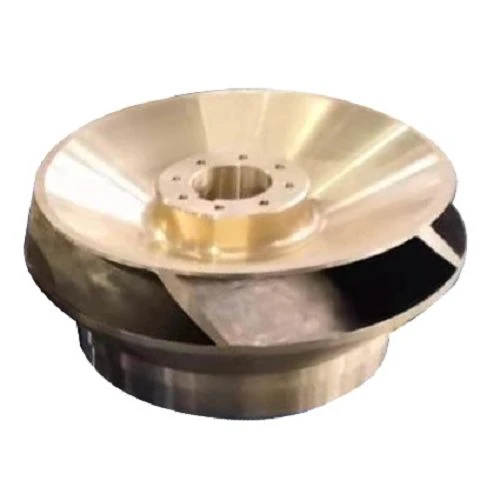
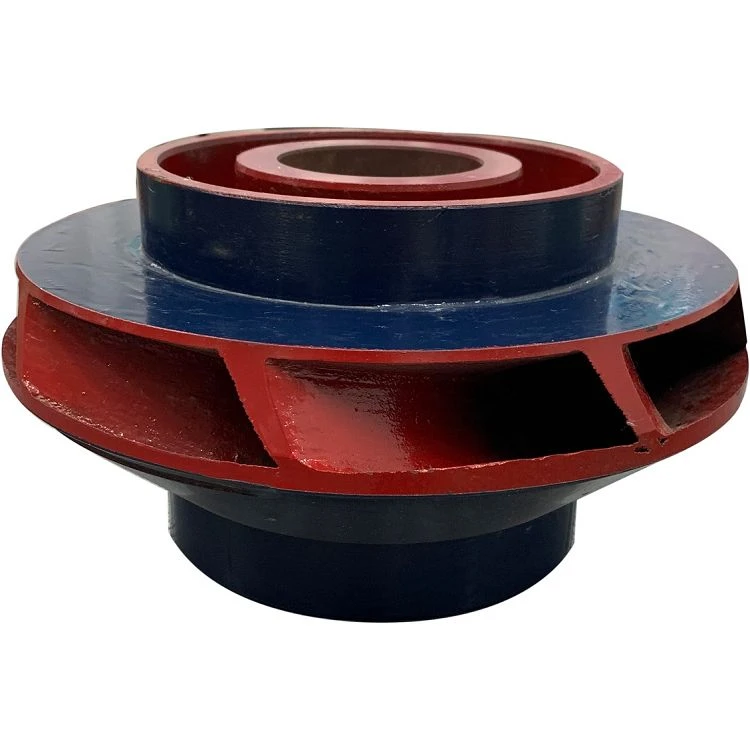
The effects of wear can vary depending on the type of pump impeller material. We offer a range of impeller materials, including Stainless Steel Pump Impeller, Bronze Pump Impeller, and Cast Iron Pump Impeller.
- Stainless Steel Pump Impellers: Stainless steel is known for its corrosion resistance. However, in applications with high - velocity abrasive particles, stainless steel impellers can still experience erosion. The wear on stainless steel impellers may be slower compared to other materials, but once the surface is damaged, it can still affect the performance curve.
- Bronze Pump Impellers: Bronze impellers are often used in applications where corrosion resistance and good mechanical properties are required. They are less resistant to erosion compared to stainless steel. Wear on bronze impellers can occur more rapidly in abrasive environments, leading to more significant changes in the performance curve.
- Cast Iron Pump Impellers: Cast iron impellers are commonly used due to their low cost. However, they are more susceptible to corrosion and erosion. The wear on cast iron impellers can be severe, resulting in a substantial reduction in the pump's performance.
Detecting and Mitigating Impeller Wear
To ensure the optimal performance of the pump, it is essential to detect impeller wear early. Regular inspection and monitoring of the pump's performance parameters, such as head, flow rate, and power consumption, can help identify signs of impeller wear.
There are several ways to mitigate impeller wear:
- Selecting the Right Impeller Material: Choosing the appropriate impeller material based on the properties of the pumped fluid and the operating conditions can significantly reduce wear. For example, in corrosive environments, stainless steel or bronze impellers may be more suitable.
- Using Wear - Resistant Coatings: Applying wear - resistant coatings to the impeller surface can provide an additional layer of protection against erosion and corrosion.
- Proper Maintenance: Regular maintenance, including cleaning, lubrication, and alignment, can help extend the life of the impeller and ensure the pump operates efficiently.
Conclusion
As a Pump Impeller supplier, we recognize the importance of understanding the effects of impeller wear on the pump performance curve. Impeller wear can have a significant impact on the pump's head, flow rate, efficiency, and power consumption, leading to reduced system performance and increased operating costs.
By being aware of the causes and effects of impeller wear, and taking appropriate measures to detect and mitigate it, pump operators can ensure the reliable and efficient operation of their pumping systems.
If you are interested in purchasing high - quality pump impellers or need further advice on pump impeller selection and maintenance, please feel free to contact us. We are committed to providing you with the best solutions for your pumping needs.
References
- Stepanoff, A. J. (1957). Centrifugal and Axial Flow Pumps: Theory, Design, and Application. Wiley.
- Karassik, I. J., Messina, J. P., Cooper, P. T., & Heald, C. C. (2008). Pump Handbook. McGraw - Hill.
- Idelchik, I. E. (2007). Handbook of Hydraulic Resistance. Begell House.