Hey there! I'm a supplier in the pump casting business, and today I'm gonna walk you through how pump casting is done. It's a pretty fascinating process that combines art, science, and a whole lot of precision.
The Basics of Pump Casting
Pump casting is all about creating the various components of pumps. These components are crucial as they need to withstand different pressures, temperatures, and chemical environments depending on the pump's application. There are different materials we use for pump casting, and each has its own set of advantages.
One of the most common materials is cast iron. Cast Iron Casting offers great strength and durability. It's also relatively inexpensive, which makes it a popular choice for many standard pump applications. Cast iron can handle high pressures and is resistant to wear and tear.
Another material is ductile iron. Ductile Iron Casting is similar to cast iron but has better ductility and toughness. It can bend without breaking, which is really useful in applications where the pump might experience some shock or vibration.
For more demanding applications, we often turn to stainless steel. Stainless Steel Pump Casting is highly resistant to corrosion, making it ideal for pumps that handle chemicals, water treatment, or food and beverage applications.
The Pump Casting Process
Pattern Making
The first step in pump casting is creating a pattern. This pattern is a replica of the final pump component and is usually made from wood, plastic, or metal. The pattern needs to be very accurate because it will determine the shape and size of the final casting. We use advanced CAD (Computer-Aided Design) software to design the pattern, ensuring that all the dimensions are spot-on.
Molding
Once the pattern is ready, we move on to the molding process. There are different types of molds, but the most common ones are sand molds. We pack sand around the pattern to create a cavity that has the exact shape of the pump component. The sand used in the mold has special properties to ensure good flow of the molten metal and proper cooling.
We also use binders to hold the sand together. After the sand is packed around the pattern, we remove the pattern, leaving behind a cavity in the sand mold. This cavity is where the molten metal will be poured.
Melting and Pouring
Now comes the exciting part - melting the metal. We use furnaces to heat the metal to its melting point. For cast iron, the melting temperature is around 1200 - 1300 degrees Celsius, while for stainless steel, it's even higher, around 1600 degrees Celsius.
Once the metal is molten, we carefully pour it into the mold cavity. This has to be done slowly and steadily to avoid any air bubbles or turbulence in the metal. The molten metal fills the cavity and takes the shape of the pump component.
Cooling and Solidification
After pouring, the molten metal starts to cool and solidify. This is a critical stage because the rate of cooling can affect the properties of the final casting. If the metal cools too quickly, it might develop cracks or other defects. On the other hand, if it cools too slowly, the grains in the metal might become too large, reducing the strength of the casting.
We use different techniques to control the cooling rate, such as using cooling channels in the mold or adjusting the temperature of the surrounding environment.
Shakeout and Cleaning
Once the metal has solidified, we remove the casting from the mold. This is called shakeout. The casting is usually covered in sand and other debris, so we need to clean it up. We use various methods for cleaning, such as shot blasting, which involves shooting small metal balls at the casting to remove the sand and any surface impurities.
Machining and Finishing
After cleaning, the casting might not be in its final form. We often need to perform some machining operations to achieve the exact dimensions and surface finish required. This can include milling, drilling, turning, and grinding.
We also apply a finish to the casting to protect it from corrosion and improve its appearance. This can be a paint coating, a powder coating, or a plating process.
Quality Control
Quality control is a crucial part of the pump casting process. We have strict quality control measures in place to ensure that every casting meets the required standards. We use non-destructive testing methods, such as ultrasonic testing and X-ray testing, to detect any internal defects in the casting.
We also perform dimensional inspections to make sure that the casting has the correct size and shape. Chemical analysis is done to verify the composition of the metal, and mechanical testing is carried out to check the strength and other mechanical properties of the casting.
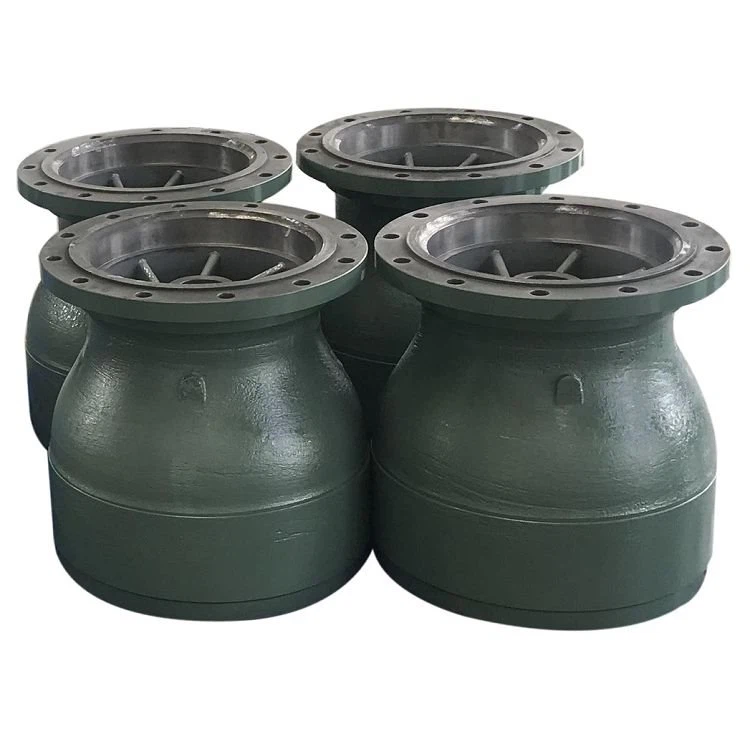
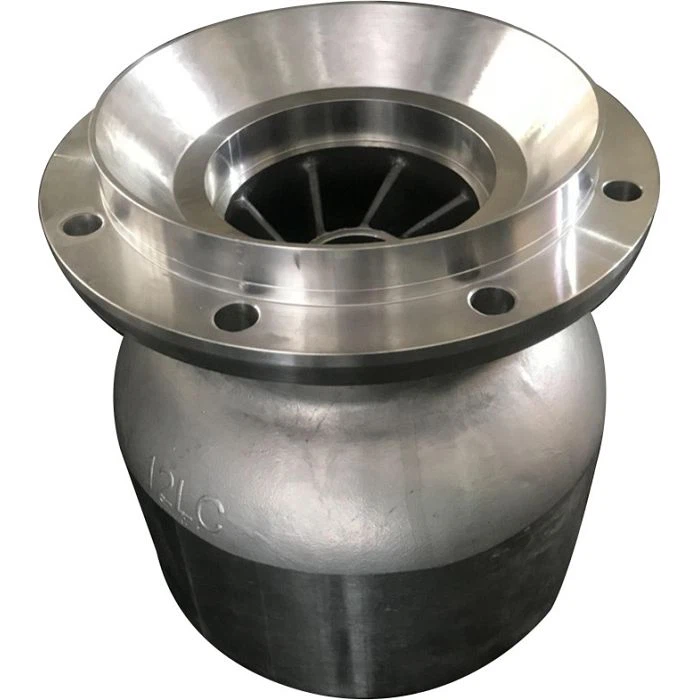
Why Choose Our Pump Casting
As a pump casting supplier, we have years of experience in the industry. We use the latest technology and equipment to ensure the highest quality of our castings. Our team of experts is dedicated to providing excellent customer service and meeting the specific needs of our clients.
We offer a wide range of pump casting materials, including cast iron, ductile iron, and stainless steel. Whether you need a standard pump component or a custom-designed one, we can help. Our prices are competitive, and we can deliver the castings in a timely manner.
If you're in the market for pump castings, I encourage you to get in touch with us. We'd love to discuss your requirements and provide you with a quote. Whether you're a small business or a large corporation, we have the expertise and resources to meet your pump casting needs.
References
- "The Art and Science of Metal Casting" by John Doe
- "Pump Design and Application" by Jane Smith
So, that's a rundown of how pump casting is done. If you have any questions or need more information, don't hesitate to reach out. We're here to help you with all your pump casting requirements.