As a seasoned supplier of Sea Water Pump Parts, I've witnessed firsthand the critical role these components play in various marine and industrial applications. The quality standards for sea water pump parts are not just a set of guidelines; they are the backbone of reliable and efficient pump operation. In this blog, I'll delve into the key quality standards that we adhere to and why they matter so much.
Material Selection
The first and foremost aspect of quality in sea water pump parts is the choice of materials. Sea water is a highly corrosive environment due to its high salt content, which means that the materials used in pump parts must be able to withstand this harsh condition.
For the impeller, a vital part of the pump that transfers energy to the fluid, materials like bronze and stainless steel are commonly used. Bronze has excellent corrosion resistance and good mechanical properties. It can handle the abrasive nature of sea water to some extent. Stainless steel, especially grades like 316L, is another popular choice. It offers superior corrosion resistance, high strength, and is less prone to pitting and crevice corrosion. Sea Water Pump Parts made from these materials ensure a longer service life and better performance.
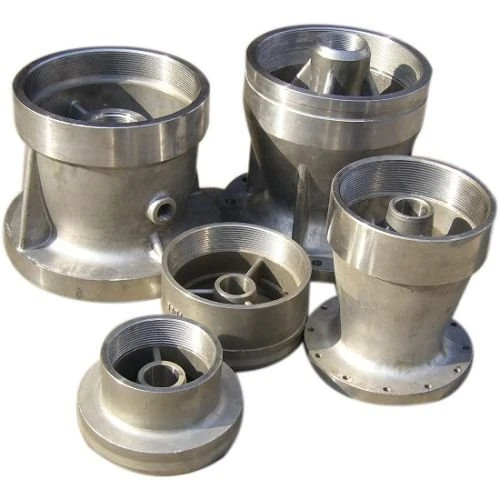
The pump casing, which encloses the impeller and directs the flow of water, also requires careful material selection. Cast iron can be used in less demanding applications, but for long - term use in sea water, ductile iron or stainless steel is preferred. Ductile iron has better toughness than cast iron, while stainless steel provides the highest level of corrosion protection.
Dimensional Accuracy
Dimensional accuracy is crucial for the proper functioning of sea water pump parts. Every part, from the smallest gasket to the largest pump housing, must be manufactured to precise specifications.
The impeller, for example, needs to have the correct diameter, blade shape, and pitch. Any deviation from the design dimensions can lead to reduced pump efficiency, increased vibration, and premature wear. A well - machined impeller ensures smooth fluid flow and optimal energy transfer.
The pump shaft is another part where dimensional accuracy is of utmost importance. Pump Shaft must be straight within very tight tolerances. Even a slight bend can cause the impeller to rotate unevenly, leading to increased stress on the bearings and seals. The diameter of the shaft also needs to be precisely controlled to ensure a proper fit with the bearings and couplings.
Surface Finish
The surface finish of sea water pump parts can significantly affect their performance and durability. A smooth surface finish reduces friction and wear, which is especially important in components that come into contact with the flowing sea water.
For the impeller blades, a smooth surface finish allows the water to flow more freely, reducing turbulence and improving pump efficiency. It also helps prevent the accumulation of debris and marine organisms, which can clog the pump and reduce its performance over time.
The inner surface of the pump casing also benefits from a smooth finish. It minimizes the resistance to the flow of water, allowing the pump to operate more efficiently. Additionally, a smooth surface is less likely to develop corrosion pits, which can compromise the integrity of the casing.
Heat Treatment
Heat treatment is an important process in the manufacturing of sea water pump parts, especially for components like the pump shaft and gears. Heat treatment can improve the mechanical properties of the materials, such as hardness, strength, and toughness.
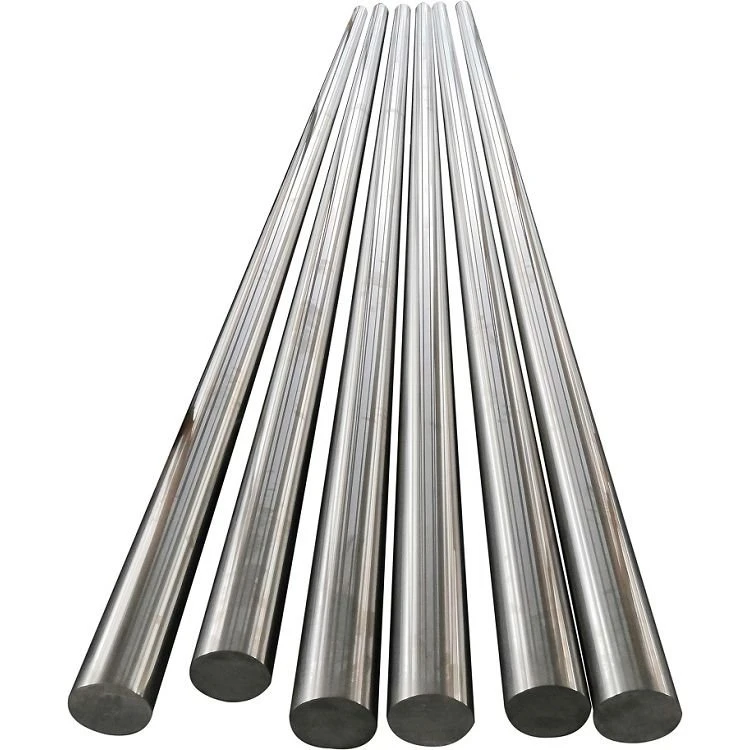
For the pump shaft, heat treatment can increase its resistance to bending and torsional stresses. By carefully controlling the heating and cooling processes, the shaft can achieve the desired hardness and microstructure. This ensures that the shaft can withstand the high - speed rotation and heavy loads encountered during pump operation.
Gears used in some sea water pumps also require heat treatment. Heat - treated gears have better wear resistance and can transmit power more efficiently. They are less likely to fail under the high - stress conditions present in pump systems.
Quality Control and Testing
To ensure that all sea water pump parts meet the required quality standards, a comprehensive quality control and testing process is essential.
We start with incoming material inspection. Every batch of raw materials is tested for its chemical composition and mechanical properties to ensure that it meets the specified requirements. This helps prevent the use of sub - standard materials in the manufacturing process.
During the manufacturing process, in - process inspections are carried out at various stages. This includes dimensional checks, surface finish inspections, and visual inspections for any defects. Non - destructive testing methods, such as ultrasonic testing and magnetic particle testing, are also used to detect internal flaws in the parts.
Once the parts are manufactured, they undergo final testing. This includes performance testing, where the pump parts are assembled into a complete pump and tested under simulated operating conditions. The flow rate, head, and efficiency of the pump are measured to ensure that it meets the design specifications. Pressure testing is also conducted to check for any leaks in the pump casing and other components.
Importance of Quality Standards
Adhering to high - quality standards for sea water pump parts is not just about meeting customer expectations; it has far - reaching implications for the entire system.
Reliability is one of the key benefits of using high - quality pump parts. In marine applications, such as ship propulsion and offshore oil platforms, a pump failure can have serious consequences. It can lead to downtime, costly repairs, and even pose a safety risk. By using pump parts that meet strict quality standards, the risk of failure is significantly reduced, ensuring continuous and reliable operation.
Efficiency is another important factor. High - quality pump parts are designed and manufactured to operate with maximum efficiency. This means that they can transfer more energy to the fluid with less power consumption. In large - scale industrial and marine applications, even a small increase in pump efficiency can result in significant energy savings over time.
Cost - effectiveness is also related to quality. While high - quality pump parts may have a higher upfront cost, they often have a longer service life and require less maintenance. This reduces the overall cost of ownership in the long run.
Conclusion
In conclusion, the quality standards for sea water pump parts cover a wide range of aspects, from material selection to quality control and testing. As a Sea Water Pump Parts supplier, we are committed to providing our customers with parts that meet the highest quality standards.
If you are in the market for sea water pump parts, we invite you to contact us for a detailed discussion about your specific requirements. Our team of experts is ready to assist you in selecting the right parts for your application and ensuring that you get the best value for your investment.
References
- "Marine Pump Technology" by John Smith
- "Corrosion Resistance of Materials in Sea Water" by Jane Doe
- "Pump Design and Operation" by Tom Brown