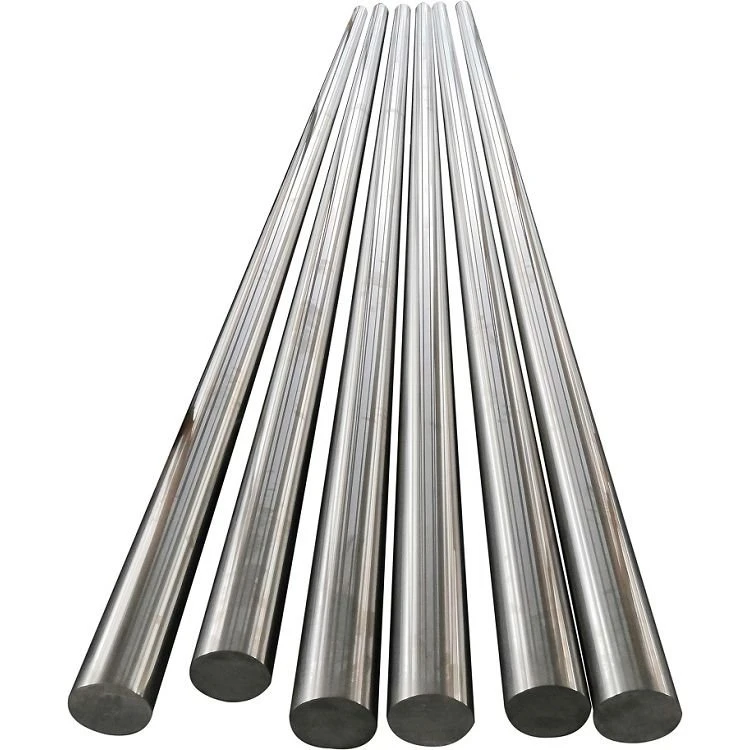
Hey there! As a supplier of Pump Shaft, I get asked a ton about how often a pump shaft should be inspected. It's a super important question because the performance and longevity of a pump largely depend on the condition of its shaft. So, let's dive right in and break it down.
Why Inspections Matter
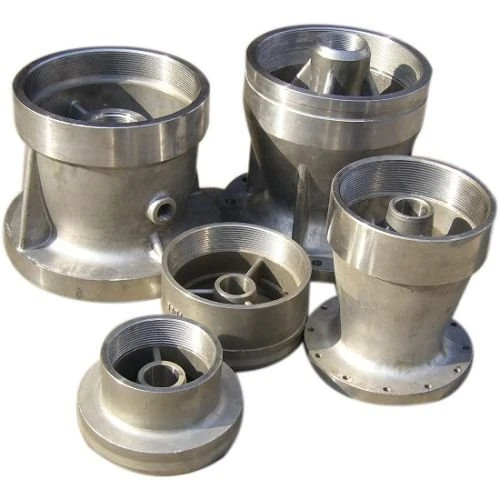
First off, why bother with inspections at all? Well, pump shafts are like the heart of a pump. They transfer power from the motor to the impeller, and any issues with the shaft can lead to all sorts of problems. A worn - out or damaged shaft can cause the pump to vibrate excessively, which not only reduces its efficiency but can also lead to premature failure of other pump components. It can also result in leaks, which can be a huge headache, especially when dealing with Sea Water Pump Parts where corrosion is already a major concern.
Factors Affecting Inspection Frequency
There isn't a one - size - fits - all answer to how often you should inspect a pump shaft. A bunch of factors come into play.
Operating Conditions
If the pump is running in a harsh environment, like in a chemical plant where it's exposed to corrosive substances, or in a mining operation where there's a lot of dust and debris, you'll need to inspect the shaft more frequently. For example, in a chemical plant, the chemicals can eat away at the shaft material over time, weakening it. In such cases, I'd recommend inspecting the shaft at least once every three months.
On the other hand, if the pump is used in a relatively clean and stable environment, like in a domestic water supply system, you might be able to stretch the inspection intervals. Maybe once every six months or even a year could be sufficient.
Pump Usage
How often the pump is used also matters. A pump that runs 24/7 is going to experience more wear and tear than one that's only used occasionally. Continuous - use pumps should be inspected more often. For a pump that operates non - stop, I'd suggest a monthly visual inspection and a more in - depth inspection every six months.
If it's a pump that's used seasonally, like a water pump for an irrigation system that's only used during the growing season, you can inspect it at the beginning and end of each season. This way, you can catch any issues that might have developed during its period of use or storage.
Shaft Material and Quality
The type of material the shaft is made of and its overall quality can influence inspection frequency. High - quality shafts made from corrosion - resistant and durable materials like stainless steel or alloy steel are likely to last longer and require less frequent inspections compared to shafts made from lower - grade materials.
If you've got a top - notch shaft, you might be able to extend the inspection intervals a bit. But even with a high - quality shaft, regular inspections are still a must to ensure its continued performance.
Inspection Methods
Now, let's talk about how to inspect a pump shaft. There are a few different methods, and each has its own benefits.
Visual Inspection
This is the simplest and most basic form of inspection. You just take a good look at the shaft for any obvious signs of damage, such as cracks, corrosion, or wear. Look for any discoloration, which could indicate overheating or chemical reactions. You can also check the shaft's alignment. If it's misaligned, it can cause excessive stress on the shaft and other components.
Visual inspections should be done regularly, and they're a great way to catch any immediate issues. It's something you can do quickly and easily, even if you're not a pump expert.
Dimensional Inspection
Measuring the shaft's dimensions is another important part of the inspection process. Over time, the shaft can wear down, and its diameter might decrease. You can use tools like calipers to measure the shaft at different points. If the diameter has changed significantly, it could be a sign that the shaft is nearing the end of its useful life.
Non - Destructive Testing (NDT)
For a more in - depth inspection, non - destructive testing methods can be used. These methods allow you to detect internal defects in the shaft without damaging it. Some common NDT methods include ultrasonic testing, which uses sound waves to detect flaws inside the shaft, and magnetic particle testing, which is useful for detecting surface and near - surface defects in ferromagnetic materials.
NDT should be done less frequently, maybe once or twice a year, depending on the factors we discussed earlier. It's a more specialized and expensive form of inspection, but it can provide valuable information about the shaft's internal condition.
A Sample Inspection Schedule
Based on the factors we've talked about, here's a sample inspection schedule that you can use as a starting point.
| Operating Conditions | Pump Usage | Inspection Frequency |
|---|---|---|
| Harsh (chemical plant, mining) | Continuous | Monthly visual, every six months in - depth (including NDT) |
| Harsh | Occasional | Quarterly visual, annual in - depth |
| Clean (domestic water supply) | Continuous | Every three months visual, annual in - depth |
| Clean | Occasional | Semi - annual visual, every two years in - depth |
Remember, this is just a general guide, and you might need to adjust it based on your specific situation.
Conclusion
In conclusion, how often you should inspect a pump shaft depends on a variety of factors, including operating conditions, pump usage, and shaft material. Regular inspections are crucial for ensuring the proper functioning and longevity of your pump.
If you're still not sure about the best inspection schedule for your pump shaft, or if you're looking for high - quality Pump Shaft and Sea Water Pump Parts, don't hesitate to reach out. We're here to help you make the right decisions for your pumping needs. Whether you're a small - scale user or a large - scale industrial operation, we've got the expertise and products to keep your pumps running smoothly. So, if you're interested in learning more or want to discuss your specific requirements, feel free to get in touch and let's start a conversation about your pump shaft needs.
References
- "Pump Handbook" by Igor J. Karassik et al.
- Industry standards and guidelines related to pump maintenance and inspection.