In the realm of chemical processing, the choice of components for pumps is crucial to ensure efficient, safe, and reliable operation. One question that often arises is whether a pump bowl can be used in a chemical pump. As a pump bowl supplier, I am well - versed in the intricacies of this topic and am eager to share insights.
Understanding the Role of a Pump Bowl
A pump bowl is an essential part of a centrifugal pump. Its primary function is to collect the fluid discharged from the impeller and convert the high - velocity energy of the fluid into pressure energy. This is achieved through a gradual expansion of the flow area within the bowl. In a typical centrifugal pump setup, the impeller rotates at high speed, imparting kinetic energy to the fluid. The pump bowl then slows down the fluid, causing a rise in pressure according to Bernoulli's principle.
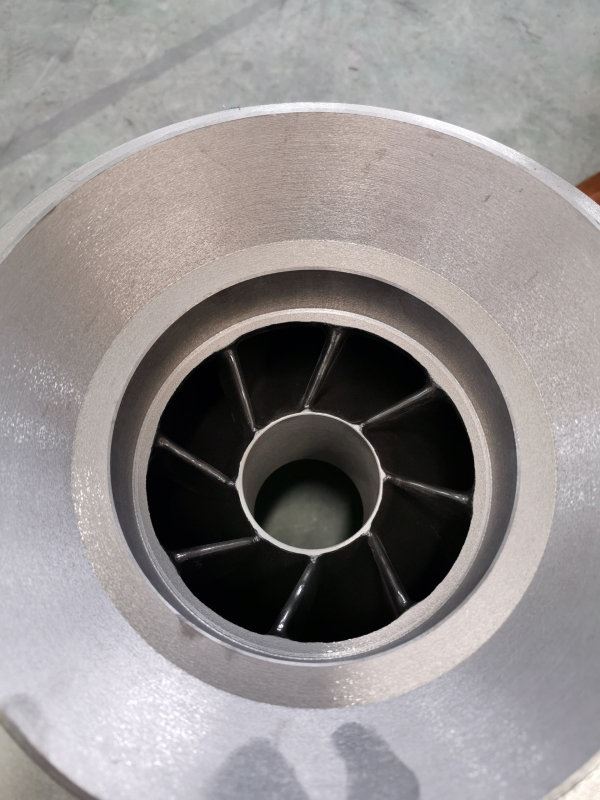

Chemical Pumps: Special Requirements
Chemical pumps are designed to handle a wide range of corrosive, abrasive, and often hazardous chemicals. These pumps must meet strict safety and performance standards. The materials used in chemical pumps need to be resistant to the specific chemicals being pumped. For example, when dealing with strong acids like sulfuric acid, the pump components must be able to withstand the corrosive nature of the acid without degrading. Additionally, chemical pumps may need to operate at high temperatures and pressures, depending on the process requirements.
Compatibility of Pump Bowls with Chemical Pumps
The use of a pump bowl in a chemical pump is indeed possible, but it depends on several factors.
Material Selection
The most critical factor is the material of the pump bowl. Different chemicals react differently with various materials. For mild chemical applications, cast iron or bronze pump bowls might be sufficient. However, for more aggressive chemicals, specialized materials are required.
- Stainless Steel Bowl: Stainless steel is a popular choice for chemical pump bowls. It offers excellent corrosion resistance against a wide range of chemicals, including many acids, alkalis, and salts. Stainless steel pump bowls are also relatively strong and can withstand moderate pressures. You can find more information about Stainless Steel Bowl. The chromium in stainless steel forms a passive oxide layer on the surface, which protects the underlying metal from further corrosion. This makes stainless steel bowls suitable for use in industries such as chemical manufacturing, food and beverage processing, and water treatment.
- Glass - Lined Bowl: Glass - lined pump bowls are another option for highly corrosive chemical applications. Glass has exceptional chemical resistance and can withstand the attack of even the most aggressive chemicals, such as hydrofluoric acid in some cases. The glass lining is applied to a metal substrate, usually steel, which provides the necessary mechanical strength. To learn more about Glass - Lined Bowl, click the link. However, glass - lined bowls are more brittle than metal bowls and require careful handling during installation and operation to avoid damage to the glass lining.
Design Considerations
In addition to material, the design of the pump bowl also matters. The internal geometry of the bowl should be optimized to minimize turbulence and pressure losses. This is especially important in chemical pumps, as efficient fluid flow can reduce energy consumption and improve the overall performance of the pump. The bowl should also be designed to prevent the accumulation of chemicals, which could lead to corrosion or fouling over time.
Sealing and Leakage Prevention
Chemical pumps must have effective sealing mechanisms to prevent leakage of the hazardous chemicals. The pump bowl should be designed to work in harmony with the sealing system. A well - designed pump bowl will ensure a proper fit with the other pump components, reducing the risk of leaks. This is crucial for both safety reasons and to prevent environmental contamination.
Advantages of Using a Pump Bowl in a Chemical Pump
- Improved Efficiency: A properly designed pump bowl can enhance the efficiency of the chemical pump. By converting kinetic energy into pressure energy effectively, the pump can achieve the desired flow rate and pressure with less energy input. This leads to cost savings in the long run, especially for large - scale chemical processing plants.
- Versatility: Pump bowls can be customized to suit different chemical pump applications. Whether it is a small - scale laboratory pump or a large - scale industrial pump, the right pump bowl can be selected or designed to meet the specific requirements.
- Enhanced Safety: Using a compatible pump bowl can contribute to the overall safety of the chemical pumping system. By preventing leaks and ensuring proper operation, the risk of chemical spills and accidents is reduced.
Case Studies
Let's look at some real - world examples of using pump bowls in chemical pumps.
In a chemical manufacturing plant that produces fertilizers, stainless steel pump bowls were installed in the pumps used to transfer phosphoric acid. The stainless steel material was able to resist the corrosive nature of the acid, and the well - designed bowl improved the pump's efficiency. As a result, the plant was able to reduce its energy consumption and maintenance costs significantly.
In another case, a pharmaceutical company used glass - lined pump bowls in pumps handling highly corrosive solvents. The glass lining provided excellent chemical resistance, and the pumps were able to operate reliably without any signs of corrosion or leakage.
Challenges and Considerations
- Cost: Specialized pump bowls made from materials like stainless steel or with glass lining can be more expensive than standard pump bowls. However, the long - term benefits in terms of reduced maintenance and improved performance often justify the higher initial cost.
- Maintenance: Chemical pump bowls may require more frequent maintenance compared to regular pump bowls. For example, glass - lined bowls need to be inspected regularly for any signs of damage to the glass lining. If damage occurs, it may require specialized repair procedures.
- Compatibility Testing: Before installing a pump bowl in a chemical pump, it is essential to conduct compatibility testing. This involves exposing the pump bowl material to the specific chemicals under the expected operating conditions to ensure that there is no significant corrosion or degradation.
Conclusion
In conclusion, a pump bowl can be used in a chemical pump, but careful consideration must be given to material selection, design, and compatibility. As a pump bowl supplier, I understand the importance of providing high - quality pump bowls that meet the demanding requirements of the chemical industry. Whether you need a Stainless Steel Bowl for general chemical applications or a Glass - Lined Bowl for highly corrosive chemicals, we have the expertise and products to meet your needs.
If you are in the market for pump bowls for your chemical pumps, I encourage you to reach out for a detailed discussion. We can help you select the most suitable pump bowl based on your specific chemical application, process requirements, and budget. Let's work together to ensure the efficient and safe operation of your chemical pumping systems.
References
- "Centrifugal Pumps: Design and Application" by I. J. Karassik et al.
- "Chemical Process Safety: Fundamentals with Applications" by Daniel A. Crowl and Joseph F. Louvar.
- Industry reports on chemical pump technology and materials.