As a provider of Vertical In-Line Pumps, I often encounter inquiries from customers about the maintenance frequency of these pumps. Maintenance is crucial for ensuring the long - term, efficient, and reliable operation of Vertical In - Line Pumps. In this blog, I will delve into the factors that determine the maintenance frequency and provide some general guidelines.
Factors Affecting Maintenance Frequency
1. Operating Conditions
The operating conditions of a Vertical In - Line Pump play a significant role in determining how often it should be maintained. If the pump is operating in a harsh environment, such as a location with high levels of dust, moisture, or corrosive substances, the maintenance interval will need to be shorter. For example, in a chemical plant where the pump is handling corrosive chemicals, the internal components of the pump are more likely to be damaged. The chemical substances can corrode the impeller, casing, and seals, leading to reduced pump performance and potential breakdowns. In such cases, a visual inspection of the pump and its connections might be required monthly, and a more in - depth maintenance check every three to six months.
On the other hand, if the pump is operating in a clean, dry environment with stable flow and pressure conditions, the maintenance frequency can be relatively lower. For instance, a pump used in a well - maintained office building's water supply system may only need a general inspection every six months and a comprehensive maintenance once a year.
2. Usage Intensity
The amount of time the pump is in operation also impacts the maintenance schedule. Pumps that are running continuously for long periods, such as those in industrial processes that operate 24/7, will experience more wear and tear compared to pumps that are used intermittently. A continuously - running pump may require more frequent lubrication of bearings, as well as regular checks on the motor's temperature and vibration levels. For a pump in continuous operation, it is advisable to conduct a basic maintenance check every three months, including checking the alignment of the pump and motor, inspecting the coupling, and measuring the vibration amplitude.
In contrast, a pump that is used only a few hours a day, like a small - scale domestic water pump, can have a longer maintenance interval. A simple inspection every six to eight months may be sufficient, along with a more detailed maintenance every one to two years.
3. Pump Design and Quality
The design and quality of the Vertical In - Line Pump itself are important factors. High - quality pumps with advanced designs and durable materials are generally more reliable and may require less frequent maintenance. For example, pumps with high - grade bearings and seals are less likely to fail prematurely. These pumps often have better - engineered impellers that can handle a wider range of flow and pressure conditions without excessive wear.
However, if the pump is of lower quality or has a less - optimized design, it may need more frequent maintenance. For instance, a pump with a poorly - designed impeller may experience cavitation more easily, which can damage the impeller and reduce the pump's efficiency. In such cases, more frequent inspections and potential component replacements may be necessary, perhaps every four to six months.
General Maintenance Frequency Guidelines
1. Daily Checks
Even though daily maintenance may seem excessive for some pumps, there are certain basic checks that can be performed on a daily basis. These checks are relatively quick and can help detect any immediate issues. Operators should visually inspect the pump for any signs of leakage around the seals, couplings, or connections. They should also check the pump's operating temperature and listen for any abnormal noises, such as rattling or screeching, which could indicate a problem with the bearings or impeller.
2. Weekly Checks
On a weekly basis, it is recommended to check the pump's lubrication levels. For pumps with oil - lubricated bearings, the oil level should be within the specified range. If the oil level is low, it should be topped up with the appropriate type of oil. Additionally, the pump's control panel and electrical connections should be inspected for any signs of loose wires, overheating, or tripped breakers.
3. Monthly Checks
Monthly maintenance can involve more in - depth inspections. The pump's vibration levels should be measured using a vibration analyzer. Excessive vibration can be a sign of misalignment, worn bearings, or an unbalanced impeller. The pump's performance parameters, such as flow rate and pressure, should also be checked against the design specifications. If there are significant deviations, it may indicate a problem with the pump or the system it is part of.
4. Quarterly Checks
Every three months, a more comprehensive maintenance should be carried out. This includes disassembling the pump to inspect the internal components, such as the impeller, casing, and seals. The impeller should be checked for signs of wear, erosion, or damage. The seals should be inspected for leakage and replaced if necessary. The pump's alignment with the motor should also be re - checked and adjusted if it has deviated.
5. Annual Checks
An annual maintenance is a major overhaul of the pump. All major components should be thoroughly inspected, cleaned, and, if required, replaced. The motor should be tested for electrical performance, including insulation resistance and winding temperature. The pump's hydraulic performance should be tested to ensure it is operating at its optimal efficiency.
Comparison with Other Types of Pumps
It is interesting to compare the maintenance frequency of Vertical In - Line Pumps with other types of pumps, such as Horizontal Split Casing Centrifugal Pump, Slurry Pump, and End Suction Centrifugal Pump.
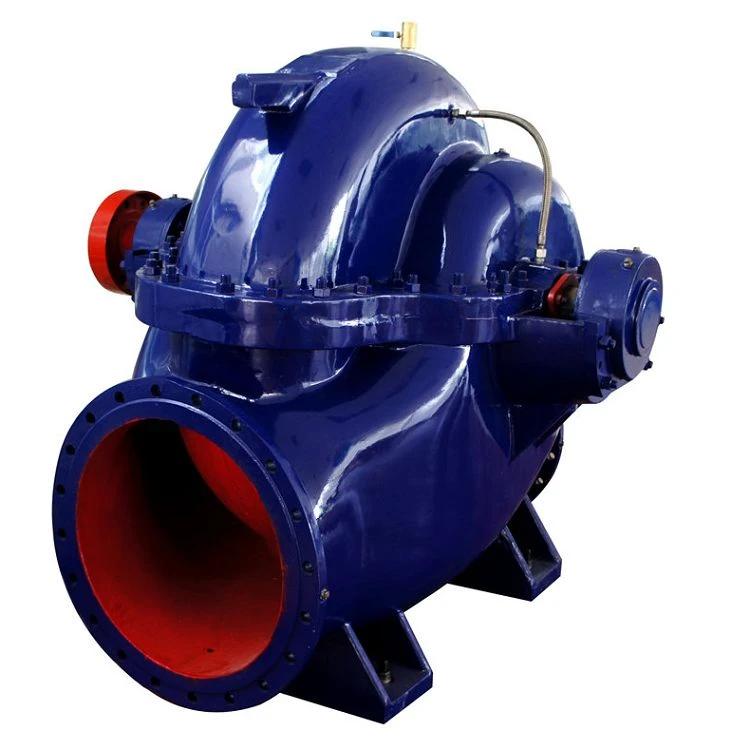
Horizontal Split Casing Centrifugal Pumps, due to their larger size and more complex design, may require more frequent maintenance in some aspects. For example, the split casing design may require more careful alignment and sealing checks during maintenance. The larger bearings and shafts in these pumps also need more attention to lubrication and wear.
Slurry Pumps, which are designed to handle abrasive slurries, generally require very frequent maintenance. The abrasive nature of the slurry can cause rapid wear of the impeller, casing, and liners. These pumps may need daily inspections for wear and tear and more frequent component replacements compared to Vertical In - Line Pumps.
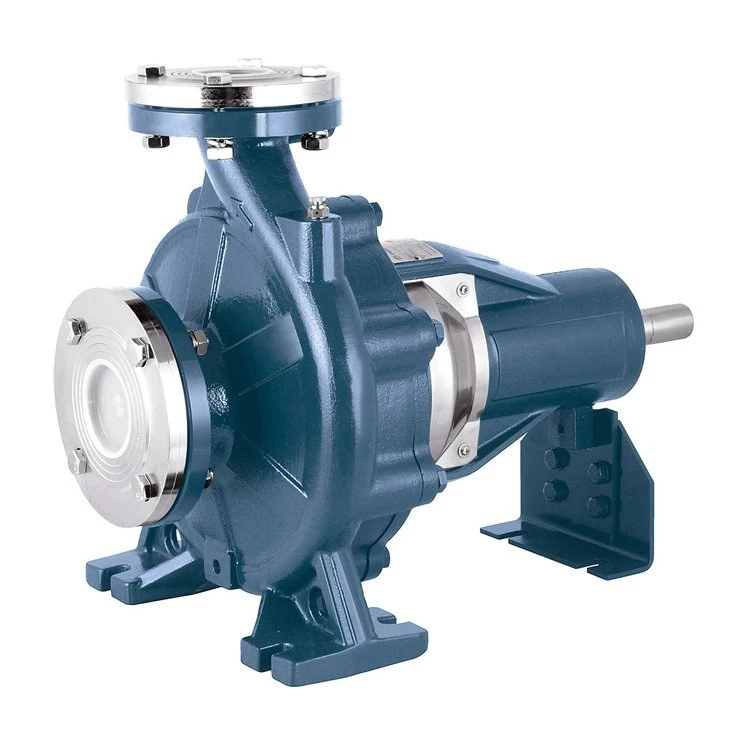
End Suction Centrifugal Pumps have a relatively simpler design compared to some other pumps. However, they are often used in a wide range of applications, and their maintenance frequency can vary depending on the specific usage. In general, they may have a maintenance schedule similar to Vertical In - Line Pumps, but the details may differ based on the operating conditions.
Importance of Regular Maintenance
Regular maintenance of Vertical In - Line Pumps is not only about preventing breakdowns but also about optimizing the pump's performance and extending its service life. A well - maintained pump will operate more efficiently, consuming less energy and reducing operating costs. It will also have fewer unplanned downtime events, which can be costly in terms of lost production or service disruptions.
Moreover, regular maintenance can help identify potential problems early on, allowing for timely repairs and component replacements. This can prevent minor issues from escalating into major failures, which could require more extensive and expensive repairs or even the replacement of the entire pump.
Contact for Purchase and Maintenance
If you are in the market for a Vertical In - Line Pump or need more information about pump maintenance, I encourage you to reach out to us. Our team of experts can provide you with detailed guidance on choosing the right pump for your specific needs and offer comprehensive maintenance services. Whether you are a small - scale user or a large - scale industrial enterprise, we have the products and expertise to meet your requirements.
References
- "Pump Handbook" by Igor Karassik et al.
- "Centrifugal Pumps: Design and Application" by Heinz P. Bloch and Allan R. Budris.