Hey there! As a supplier of Sea Water Pump Parts, I often get asked the question: How often should sea water pump parts be replaced? Well, let's dive right into it and break down the factors that influence the replacement frequency.
First off, let's understand the harsh environment that sea water pumps operate in. Sea water is extremely corrosive due to its high salt content. This means that the parts of a sea water pump are constantly under attack from the corrosive elements. The rate of corrosion can vary depending on a few key factors.
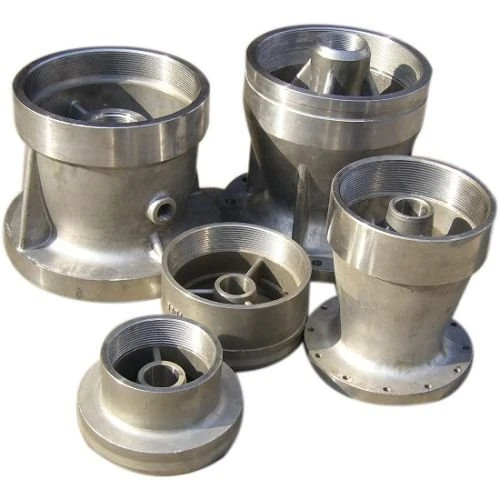
One of the major factors is the quality of the materials used in the pump parts. High - quality materials are designed to withstand the corrosive nature of sea water better. For example, parts made from stainless steel alloys or other corrosion - resistant metals tend to last longer than those made from regular steel. If you're using a Sea Water Pump Parts made from inferior materials, you're likely to see signs of wear and tear much sooner.
Another factor is the operating conditions. If the pump is running continuously, it's going to experience more stress and wear compared to a pump that's used intermittently. For instance, a pump on a commercial fishing vessel that operates 24/7 will have different replacement needs than a pump on a small pleasure boat that's only used on weekends.
Let's take a look at some of the common sea water pump parts and how often they might need to be replaced.
Impellers
The impeller is a crucial part of the pump as it's responsible for moving the water. In a sea water pump, impellers are often made of materials like bronze or plastic. Bronze impellers are more durable but still subject to corrosion. In a moderately corrosive environment with normal operating conditions, a bronze impeller might last anywhere from 1 - 3 years. However, if the water has a high level of impurities or the pump is running in a very aggressive sea water environment, it could need replacement in as little as 6 - 12 months. Plastic impellers, on the other hand, are less expensive but may not be as durable. They might need to be replaced every 1 - 2 years, depending on usage.
Seals
Seals are essential for preventing water leakage and keeping the pump's internal components dry. In sea water pumps, seals are constantly exposed to the corrosive water. A good quality seal can last around 2 - 3 years under normal conditions. But if there's a lot of sediment or debris in the water, the seals can get damaged more quickly. You might start to notice water leakage, which is a clear sign that the seals need to be replaced.
Pump Shaft
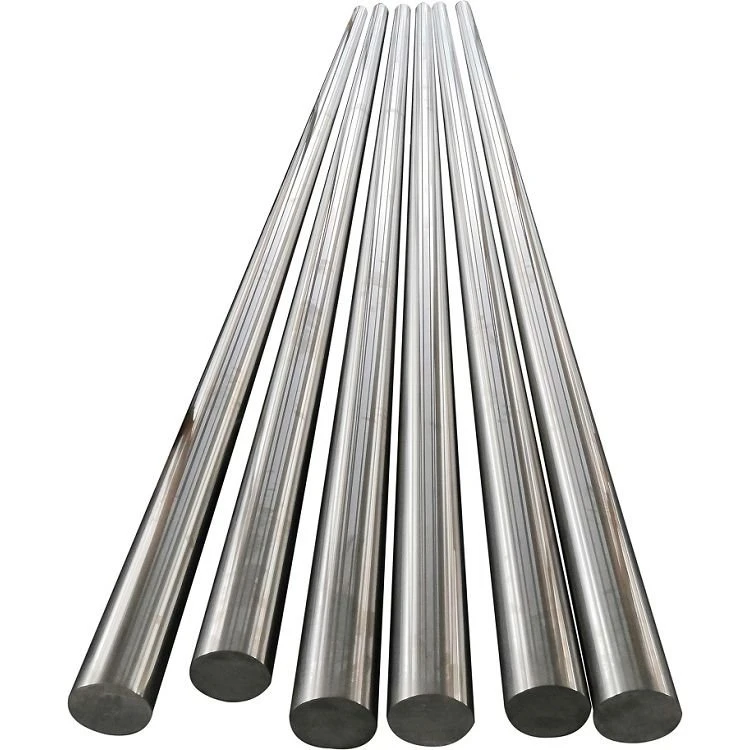
The pump shaft is what transfers the power from the motor to the impeller. It needs to be strong and corrosion - resistant. In a well - maintained sea water pump, a high - quality pump shaft can last 3 - 5 years. However, if the pump is misaligned or there's excessive vibration, the shaft can wear out faster. Signs of a worn - out shaft include unusual noises or a decrease in pump performance.
Bearings
Bearings support the rotating parts of the pump. In a sea water pump, they are exposed to both the corrosive water and the mechanical stress of rotation. Under normal operating conditions, bearings might last 2 - 4 years. But if the pump is overloaded or if there's a lack of proper lubrication, the bearings can fail much sooner.
Now, how can you tell when it's time to replace these parts? Regular inspections are key. You should visually inspect the pump parts for signs of corrosion, wear, or damage. Check for leaks, unusual noises, or a decrease in pump performance. If you notice any of these issues, it's probably time to replace the affected parts.
It's also a good idea to keep a maintenance log. Record the installation date of each part and any maintenance or inspection results. This will help you track the lifespan of the parts and plan for future replacements.
In addition to regular inspections, proper maintenance can significantly extend the life of your sea water pump parts. This includes flushing the pump with fresh water after each use to remove salt and debris. You should also make sure the pump is properly lubricated and that all connections are tight.
As a Sea Water Pump Parts supplier, I can offer you high - quality parts that are designed to withstand the harsh sea water environment. Whether you need impellers, seals, Pump Shaft, or bearings, I've got you covered.
If you're in the market for sea water pump parts or have questions about replacement intervals, don't hesitate to reach out. I'm here to help you make the right decisions for your pump's maintenance and performance. Contact me to discuss your specific needs and let's get your sea water pump running at its best!
References
- "Marine Pump Handbook" - A comprehensive guide on marine pumps and their maintenance.
- "Corrosion in Sea Water: Causes and Prevention" - A research paper on the effects of sea water on pump parts.