As a seasoned supplier of sea water pumps, I've witnessed firsthand the critical role these devices play in various industries, from marine operations to coastal power plants. Sea water pumps are designed to handle the harsh and corrosive nature of seawater, but like any mechanical equipment, they are prone to wear and tear over time. Recognizing the signs that a sea water pump needs repair is essential to prevent costly breakdowns and ensure the continuous operation of your systems. In this blog post, I'll share some common indicators that your sea water pump may require maintenance or repair.
Reduced Flow Rate
One of the most obvious signs that a sea water pump is in need of repair is a reduced flow rate. If you notice that the pump is not delivering water at the same rate as it used to, it could be due to a variety of factors. Clogging is a common culprit, especially in areas with high sediment or debris in the seawater. Over time, these particles can accumulate in the pump's intake or impeller, restricting the flow of water. Another possible cause is a worn or damaged impeller. The impeller is responsible for creating the centrifugal force that moves the water through the pump. If it is damaged or worn, it may not be able to generate enough force to maintain the desired flow rate.
Increased Energy Consumption
A sudden increase in energy consumption is another red flag that your sea water pump may need attention. When a pump is not operating efficiently, it has to work harder to achieve the same level of performance, which results in higher energy usage. This could be due to a variety of factors, such as a clogged filter, a worn impeller, or a misaligned motor. Regular maintenance, including cleaning or replacing filters and checking the alignment of the motor, can help prevent these issues and keep your pump running efficiently.
Unusual Noise or Vibration
Unusual noise or vibration coming from the pump is a clear indication that something is wrong. These symptoms can be caused by a variety of factors, including loose or worn components, misalignment, or cavitation. Cavitation occurs when the pressure in the pump drops below the vapor pressure of the water, causing bubbles to form and collapse. This can cause significant damage to the pump's components and reduce its efficiency. If you notice any unusual noise or vibration, it's important to shut down the pump immediately and have it inspected by a qualified technician.
Leaking Seals or Gaskets
Seals and gaskets are essential components of a sea water pump, as they prevent water from leaking out of the pump and into the surrounding environment. If you notice any signs of leakage around the pump, it could be due to a worn or damaged seal or gasket. This can not only lead to water loss but also cause corrosion and damage to the pump's components. Regular inspection and replacement of seals and gaskets can help prevent leaks and ensure the proper functioning of the pump.
Overheating
Overheating is another common problem that can indicate a need for pump repair. When a pump is overheating, it can cause damage to the motor and other components, reducing its lifespan and efficiency. Overheating can be caused by a variety of factors, including a lack of lubrication, a clogged cooling system, or a malfunctioning motor. Regular maintenance, including checking the lubrication levels and cleaning the cooling system, can help prevent overheating and keep your pump running smoothly.
Corrosion
Seawater is highly corrosive, and over time, it can cause significant damage to the pump's components. Corrosion can weaken the metal parts of the pump, leading to leaks, reduced efficiency, and even complete failure. If you notice any signs of corrosion on the pump, such as rust or pitting, it's important to have it inspected and repaired as soon as possible. Using corrosion-resistant materials and coatings can help prevent corrosion and extend the lifespan of your pump.
Difficulty Starting or Stopping
If you're having trouble starting or stopping the pump, it could be due to a variety of factors, such as a faulty motor, a clogged switch, or a problem with the electrical system. These issues can not only prevent the pump from operating properly but also pose a safety hazard. If you experience any difficulty starting or stopping the pump, it's important to have it inspected by a qualified technician to identify and resolve the problem.
Types of Sea Water Pumps
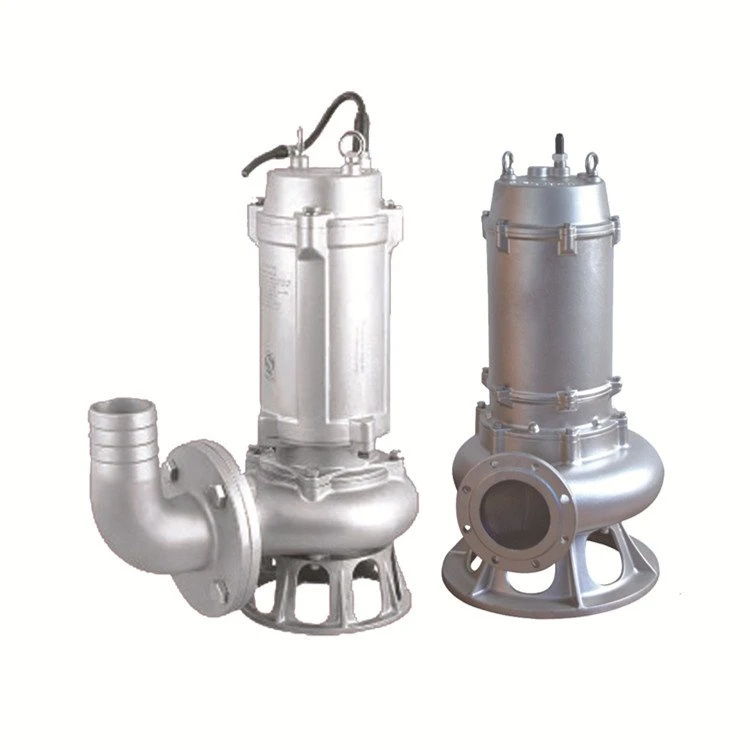
At our company, we offer a wide range of sea water pumps to meet the diverse needs of our customers. Two of the most popular types of sea water pumps we offer are Submersible Sea Water Pump and Centrifugal Sea Water Pump.
Submersible sea water pumps are designed to be submerged in water, making them ideal for applications where the water source is deep or difficult to access. These pumps are typically more efficient and quieter than other types of pumps, and they are less prone to cavitation.
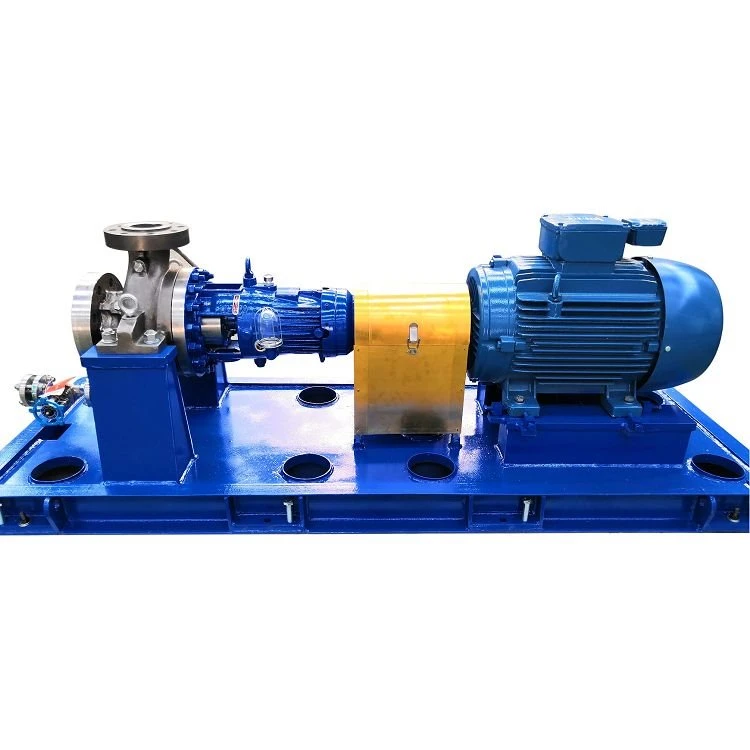
Centrifugal sea water pumps, on the other hand, use a rotating impeller to create a centrifugal force that moves the water through the pump. These pumps are commonly used in applications where high flow rates are required, such as in desalination plants and power generation facilities.
Conclusion
Recognizing the signs that a sea water pump needs repair is essential to prevent costly breakdowns and ensure the continuous operation of your systems. By paying attention to these indicators and performing regular maintenance, you can extend the lifespan of your pump and keep it running efficiently. If you notice any of the signs mentioned in this blog post, don't hesitate to contact us. As a leading supplier of sea water pumps, we have the expertise and experience to provide you with the best solutions for your needs. Whether you need a new pump, replacement parts, or repair services, we're here to help. Contact us today to learn more about our products and services and to discuss your specific requirements.
References
- "Pump Handbook" by Igor J. Karassik, Joseph P. Messina, Paul Cooper, and Charles C. Heald
- "Marine Engineering: Principles and Practice" by John Carlton
- "Seawater Desalination: A Guide for Decision Makers" by World Bank