Hey there! As a supplier of pump suction products, I've seen firsthand the importance of achieving a uniform flow in pump suction. In this blog post, I'll be sharing some tips and tricks on how you can achieve this, along with some insights from my experience in the industry.
Why Uniform Flow Matters
Before we dive into the how-to, let's talk about why achieving a uniform flow in pump suction is so crucial. A uniform flow ensures that the pump operates efficiently and effectively. When the flow is uneven, it can lead to a host of problems, such as cavitation, reduced pump performance, and increased wear and tear on the pump components.
Cavitation, for example, occurs when the pressure in the liquid drops below the vapor pressure, causing vapor bubbles to form. These bubbles then collapse when they reach higher pressure areas, creating shock waves that can damage the pump impeller and other internal components. Reduced pump performance means that the pump may not be able to deliver the required flow rate or pressure, which can impact the overall operation of the system. And increased wear and tear on the pump components can lead to frequent breakdowns and costly repairs.
Factors Affecting Pump Suction Flow
There are several factors that can affect the flow in pump suction. Understanding these factors is the first step in achieving a uniform flow.
- Pipe Design: The design of the suction pipe plays a significant role in the flow. A pipe with a smooth interior surface and proper diameter helps to maintain a uniform flow. Sharp bends, sudden expansions or contractions, and rough surfaces can disrupt the flow and cause turbulence.
- Suction Lift: The suction lift, or the vertical distance between the liquid source and the pump inlet, can also affect the flow. If the suction lift is too high, it can cause the pressure at the pump inlet to drop, leading to cavitation.
- Liquid Properties: The properties of the liquid being pumped, such as viscosity, density, and temperature, can impact the flow. For example, a highly viscous liquid may require a larger pump or a different pipe design to achieve a uniform flow.
- Pump Location: The location of the pump relative to the liquid source can also affect the flow. The pump should be located as close to the liquid source as possible to minimize the suction lift and reduce the chances of cavitation.
Tips for Achieving a Uniform Flow
Now that we understand the factors that affect the flow in pump suction, let's look at some tips for achieving a uniform flow.
- Proper Pipe Sizing: Ensure that the suction pipe is properly sized for the pump. A pipe that is too small can restrict the flow, while a pipe that is too large can cause the liquid to flow too slowly, leading to sedimentation and other issues. You can use online calculators or consult with a pump expert to determine the appropriate pipe size.
- Smooth Pipe Installation: Install the suction pipe with smooth bends and avoid sudden changes in diameter. Use long-radius elbows instead of short-radius elbows to minimize turbulence. Also, make sure the pipe is properly supported to prevent sagging or vibration.
- Reduce Suction Lift: Keep the suction lift as low as possible. If necessary, use a booster pump or install the pump at a lower elevation to reduce the suction lift. This will help to maintain a positive pressure at the pump inlet and prevent cavitation.
- Use Suction Strainers: Suction strainers can help to prevent debris from entering the pump, which can cause blockages and disrupt the flow. Make sure to clean the strainers regularly to ensure proper operation.
- Consider the Liquid Properties: Take into account the properties of the liquid being pumped when designing the suction system. If the liquid is highly viscous, you may need to use a larger pump or a heated pipe to reduce the viscosity.
Our Pump Suction Products
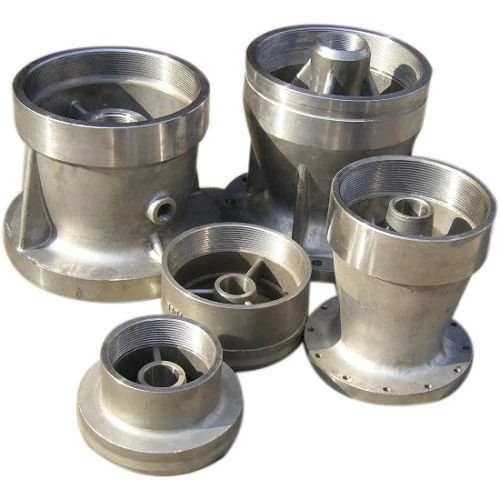
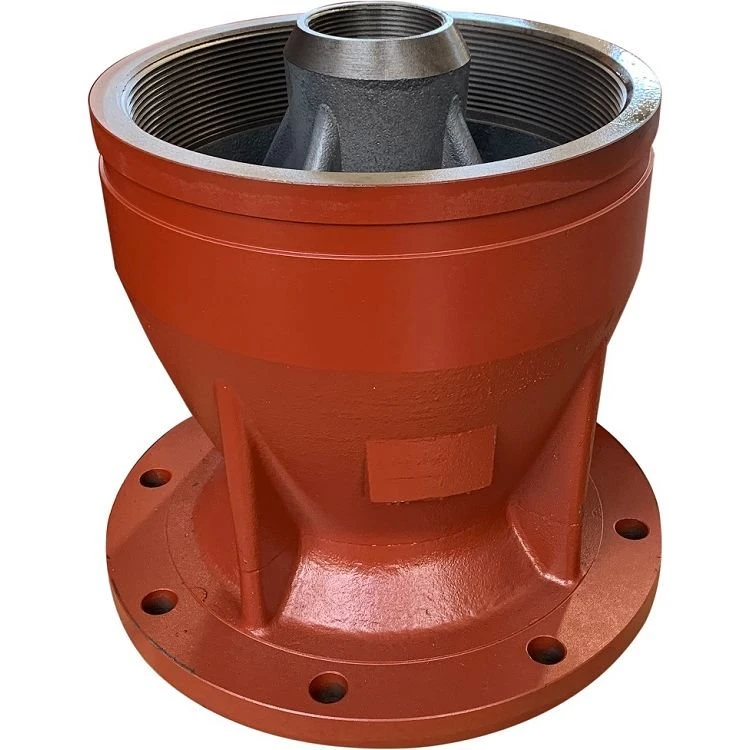
At our company, we offer a wide range of pump suction products to help you achieve a uniform flow. We have Cast Iron Pump Suction and Stainless Steel Pump Suction options available.
Our cast iron pump suction products are known for their durability and strength. They are suitable for a variety of applications, including industrial, agricultural, and municipal. Our stainless steel pump suction products, on the other hand, are corrosion-resistant and ideal for use in harsh environments.
Both our cast iron and stainless steel pump suction products are designed to provide a uniform flow and ensure the efficient operation of your pump. They are available in different sizes and configurations to meet your specific needs.
Conclusion
Achieving a uniform flow in pump suction is essential for the efficient and reliable operation of your pump. By understanding the factors that affect the flow and following the tips outlined in this blog post, you can minimize the chances of cavitation and other flow-related issues.
If you're in the market for pump suction products, we invite you to explore our Cast Iron Pump Suction and Stainless Steel Pump Suction options. We're here to help you find the right solution for your needs. If you have any questions or would like to discuss your requirements further, feel free to reach out to us. We look forward to working with you!
References
- "Pump Handbook" by Igor J. Karassik et al.
- "Fluid Mechanics" by Frank M. White.