Hey there! As a supplier of slurry pumps, I've seen firsthand how crucial proper lubrication is for the smooth operation and longevity of these workhorses. In this blog, I'm gonna walk you through the ins and outs of lubricating a slurry pump, sharing some tips and tricks I've picked up over the years.
Why Lubrication Matters
First off, let's talk about why lubrication is so important. A slurry pump is constantly dealing with abrasive and corrosive materials, which can put a lot of stress on its moving parts. Without proper lubrication, these parts can wear out quickly, leading to increased maintenance costs, downtime, and even pump failure.
Lubrication helps to reduce friction between the moving parts, which in turn reduces wear and tear. It also helps to dissipate heat, preventing the pump from overheating. Additionally, lubricants can act as a barrier, protecting the pump's components from corrosion and other forms of damage.
Types of Lubricants
There are several types of lubricants available for slurry pumps, each with its own unique properties and applications. The most common types include:
- Mineral oils: These are the most widely used lubricants for slurry pumps. They are relatively inexpensive and offer good lubrication properties. However, they may not be suitable for use in high-temperature or high-pressure applications.
- Synthetic oils: These lubricants are designed to offer superior performance in extreme conditions. They have better resistance to heat, oxidation, and wear than mineral oils, but they are also more expensive.
- Greases: Greases are a type of semi-solid lubricant that is often used in applications where a liquid lubricant would not stay in place. They are typically used in bearings and other components that require long-term lubrication.
When choosing a lubricant for your slurry pump, it's important to consider the specific requirements of your application. Factors such as temperature, pressure, speed, and the type of material being pumped will all play a role in determining the best lubricant to use.
Lubrication Points
Before you start lubricating your slurry pump, it's important to know where the lubrication points are. Most slurry pumps have several lubrication points, including the bearings, seals, and couplings. Here's a breakdown of the most common lubrication points and how to lubricate them:
- Bearings: The bearings are one of the most critical components of a slurry pump. They support the shaft and allow it to rotate smoothly. To lubricate the bearings, you'll need to remove the bearing housing cover and apply the lubricant directly to the bearings. Make sure to use the correct type and amount of lubricant, as over-lubrication can be just as harmful as under-lubrication.
- Seals: The seals are responsible for preventing the slurry from leaking out of the pump. They are typically lubricated with a special sealant or grease. To lubricate the seals, you'll need to remove the seal housing cover and apply the lubricant to the seal faces. Make sure to use a lubricant that is compatible with the seal material.
- Couplings: The couplings connect the pump shaft to the motor shaft. They are typically lubricated with a grease or oil. To lubricate the couplings, you'll need to remove the coupling guard and apply the lubricant to the coupling faces. Make sure to use a lubricant that is compatible with the coupling material.
Lubrication Frequency
The frequency of lubrication will depend on several factors, including the type of lubricant being used, the operating conditions of the pump, and the manufacturer's recommendations. In general, it's a good idea to lubricate your slurry pump on a regular basis to ensure optimal performance.
For most slurry pumps, the bearings should be lubricated every 500 to 1000 hours of operation. The seals and couplings should be lubricated less frequently, typically every 2000 to 3000 hours of operation. However, it's important to check the manufacturer's recommendations for your specific pump to determine the exact lubrication frequency.
Lubrication Procedures
Now that you know where the lubrication points are and how often to lubricate them, let's talk about the lubrication procedures. Here's a step-by-step guide on how to lubricate a slurry pump:
- Prepare the pump: Before you start lubricating the pump, make sure it is turned off and disconnected from the power source. This will help to prevent any accidents or injuries.
- Locate the lubrication points: Use the pump's manual or a lubrication chart to locate the lubrication points. Make sure you have the correct type and amount of lubricant on hand.
- Clean the lubrication points: Use a clean cloth or brush to remove any dirt, debris, or old lubricant from the lubrication points. This will help to ensure that the new lubricant can be applied evenly.
- Apply the lubricant: Use a lubrication gun or a syringe to apply the lubricant to the lubrication points. Make sure to apply the lubricant slowly and evenly, and avoid over-lubrication.
- Reassemble the pump: Once you have finished lubricating the pump, reassemble any components that you removed. Make sure all the bolts and nuts are tightened to the correct torque.
- Test the pump: After you have reassembled the pump, turn it on and let it run for a few minutes to make sure everything is working properly. Check for any leaks or unusual noises.
Tips and Tricks
Here are some additional tips and tricks to help you lubricate your slurry pump effectively:
- Use the correct lubricant: Make sure you use the lubricant that is recommended by the pump manufacturer. Using the wrong lubricant can cause damage to the pump and reduce its performance.
- Follow the manufacturer's recommendations: The pump manufacturer's recommendations are based on extensive testing and research. Make sure you follow them carefully to ensure optimal performance and longevity of your pump.
- Keep the lubrication system clean: A dirty lubrication system can cause the lubricant to break down more quickly and reduce its effectiveness. Make sure you keep the lubrication system clean by regularly changing the filters and cleaning the lubrication points.
- Monitor the lubricant level: It's important to monitor the lubricant level in your pump regularly. If the lubricant level is low, it could indicate a leak or a problem with the lubrication system.
- Inspect the pump regularly: Regular inspections can help you identify any potential problems with your pump before they become serious. Make sure you inspect the pump for signs of wear, damage, or leaks on a regular basis.
Conclusion
Lubricating a slurry pump is an important part of its maintenance and operation. By following the tips and tricks outlined in this blog, you can ensure that your pump is properly lubricated and operating at its best. Remember to choose the right lubricant, lubricate the pump at the recommended intervals, and follow the manufacturer's recommendations. If you have any questions or need further assistance, don't hesitate to contact us. We're here to help you keep your slurry pump running smoothly.
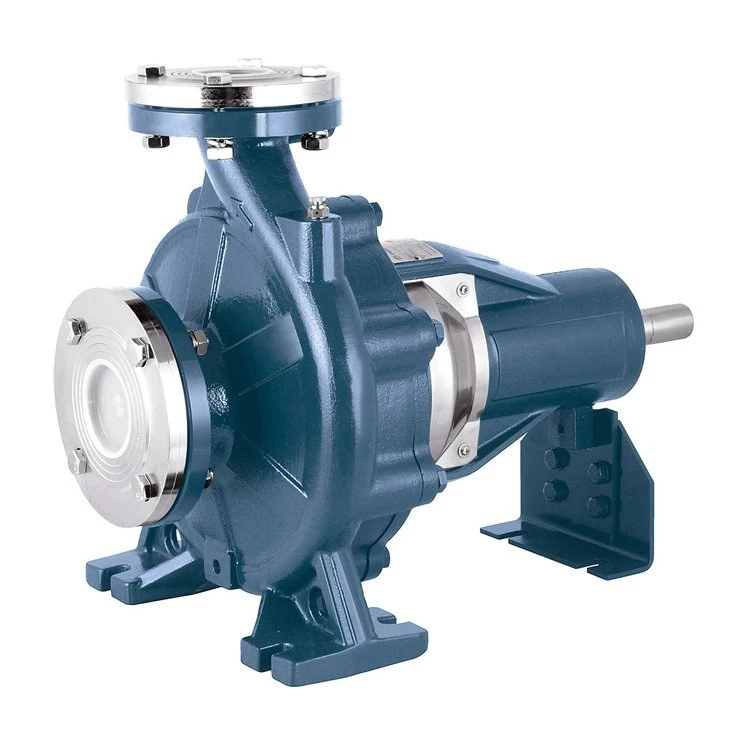
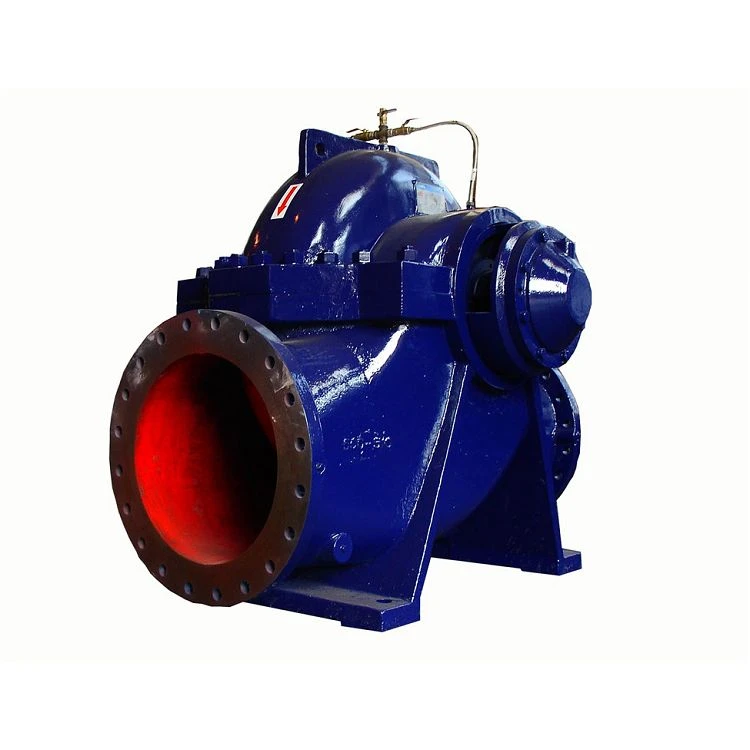
If you're in the market for a new slurry pump or need replacement parts, we're here to help. We offer a wide range of Horizontal Split Casing Centrifugal Pump, Single Stage Double-Suction Centrifugal Pump, and End Suction Centrifugal Pump to meet your specific needs. Contact us today to learn more about our products and services and to discuss your procurement requirements.
References
- "Slurry Pump Handbook" by Pump Industry Analyst
- "Lubrication Fundamentals" by Machinery Lubrication