As a supplier of Slurry Pumps, I often receive inquiries from customers about how to adjust the impeller speed of a slurry pump. Adjusting the impeller speed is crucial for optimizing the performance of the pump, ensuring efficient operation, and extending its service life. In this blog post, I will share some practical methods and considerations for adjusting the impeller speed of a slurry pump.
Understanding the Importance of Impeller Speed
The impeller speed of a slurry pump directly affects its flow rate, head, and power consumption. A higher impeller speed generally results in a higher flow rate and head, but it also increases power consumption and may cause more wear and tear on the pump components. On the other hand, a lower impeller speed may reduce the flow rate and head, but it can also save energy and reduce wear. Therefore, finding the optimal impeller speed is essential for achieving the best balance between performance and efficiency.
Methods for Adjusting Impeller Speed
There are several methods for adjusting the impeller speed of a slurry pump, each with its own advantages and disadvantages. Here are some common methods:
1. Belt Drive System
One of the most common methods for adjusting the impeller speed is by using a belt drive system. This system consists of a motor, a pulley on the motor shaft, a pulley on the pump shaft, and a belt connecting the two pulleys. By changing the size of the pulleys, the speed ratio between the motor and the pump can be adjusted, thereby changing the impeller speed.
To adjust the impeller speed using a belt drive system, you need to follow these steps:
- Determine the desired impeller speed based on the pump's performance requirements.
- Calculate the required speed ratio between the motor and the pump.
- Select the appropriate pulleys with the correct diameters to achieve the desired speed ratio.
- Install the new pulleys on the motor and pump shafts and adjust the tension of the belt.
The advantage of using a belt drive system is that it is relatively simple and cost-effective. However, it has some limitations, such as limited speed adjustment range and potential belt slippage.
2. Variable Frequency Drive (VFD)
Another popular method for adjusting the impeller speed is by using a Variable Frequency Drive (VFD). A VFD is an electronic device that controls the speed of an electric motor by varying the frequency and voltage of the power supplied to the motor. By adjusting the frequency of the power, the speed of the motor and the impeller can be precisely controlled.
To adjust the impeller speed using a VFD, you need to follow these steps:
- Install the VFD between the power supply and the motor.
- Connect the VFD to the pump control system and configure it according to the pump's performance requirements.
- Use the VFD's control panel or a remote control device to adjust the frequency and speed of the motor.
The advantage of using a VFD is that it provides a wide range of speed adjustment, precise control, and energy savings. However, it is more expensive than a belt drive system and requires professional installation and maintenance.
3. Gearbox
A gearbox is a mechanical device that can be used to adjust the impeller speed by changing the speed ratio between the input and output shafts. It consists of a set of gears that mesh together to transmit power and change the speed.
To adjust the impeller speed using a gearbox, you need to follow these steps:
- Select the appropriate gearbox with the correct speed ratio based on the pump's performance requirements.
- Install the gearbox between the motor and the pump and connect the input and output shafts.
- Adjust the gearbox's settings to achieve the desired impeller speed.
The advantage of using a gearbox is that it provides a high level of speed control and reliability. However, it is more complex and expensive than a belt drive system or a VFD.
Considerations for Adjusting Impeller Speed
When adjusting the impeller speed of a slurry pump, there are several considerations that you need to keep in mind to ensure safe and efficient operation:
1. Pump Performance
Before adjusting the impeller speed, you need to carefully consider the pump's performance requirements. The impeller speed should be adjusted to meet the desired flow rate, head, and power consumption. You can refer to the pump's performance curve to determine the optimal impeller speed for a given operating condition.
2. Pump Capacity
The impeller speed should not exceed the pump's maximum allowable speed, as this can cause excessive wear and tear on the pump components and reduce the pump's service life. You can refer to the pump's technical specifications to determine the maximum allowable impeller speed.
3. Motor Capacity
The impeller speed adjustment should also take into account the motor's capacity. The motor should be able to provide sufficient power to drive the pump at the desired impeller speed. If the impeller speed is too high, the motor may overload and overheat, which can damage the motor and the pump.
4. Wear and Tear
Adjusting the impeller speed can affect the wear and tear of the pump components. A higher impeller speed generally results in more wear and tear on the impeller, casing, and other parts of the pump. Therefore, you need to monitor the pump's performance and wear regularly and replace the worn parts as needed.
5. Safety
When adjusting the impeller speed, you need to follow all safety procedures to ensure the safety of the operators and the equipment. This includes wearing appropriate personal protective equipment, shutting off the power supply before making any adjustments, and following the manufacturer's instructions.
Conclusion
Adjusting the impeller speed of a slurry pump is an important aspect of optimizing its performance and efficiency. By using the appropriate method and considering the various factors involved, you can achieve the desired impeller speed and ensure safe and reliable operation of the pump.
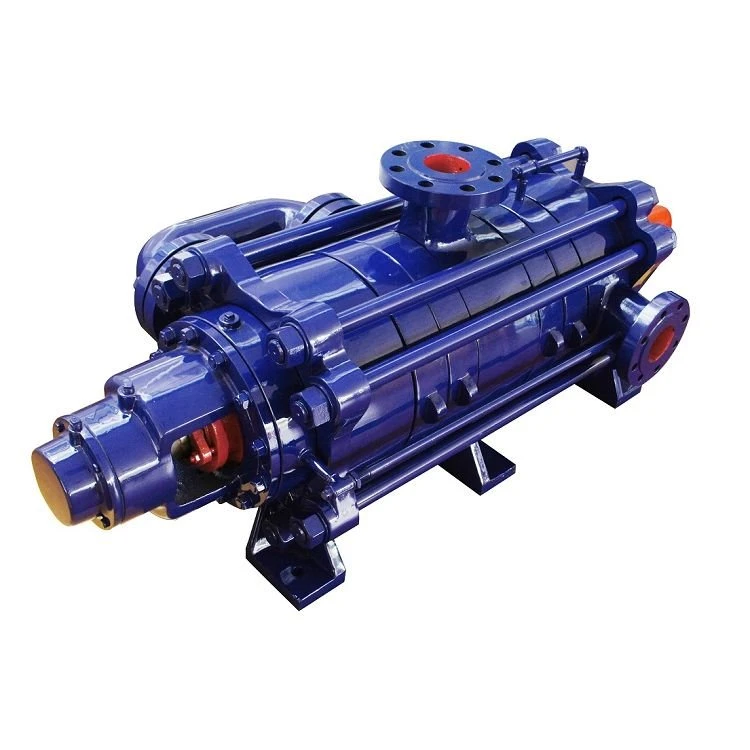
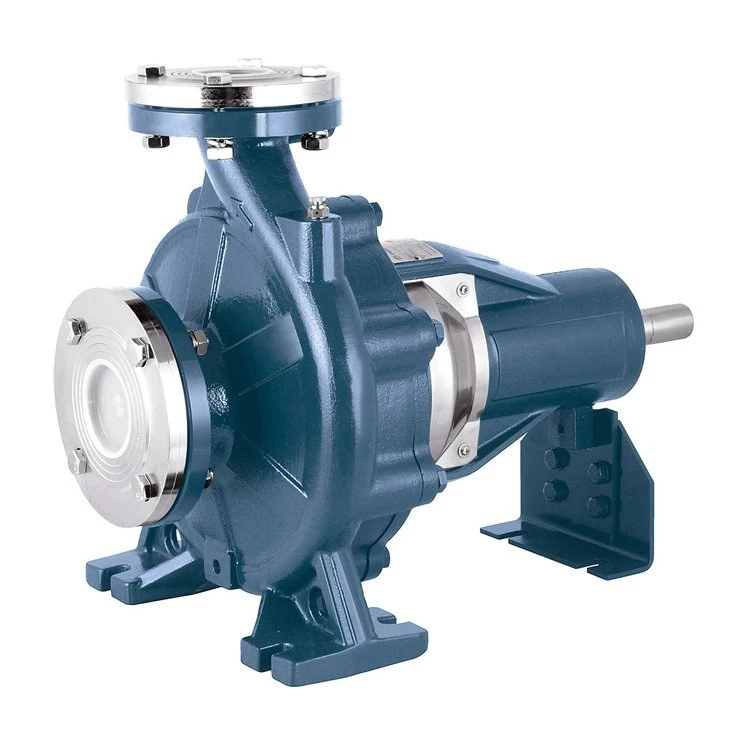
As a Slurry Pump supplier, we offer a wide range of Slurry Pump products, including Mine Multistage Centrifugal Pump and End Suction Centrifugal Pump. Our pumps are designed to meet the diverse needs of different industries and applications. If you have any questions or need further assistance with adjusting the impeller speed of your slurry pump, please feel free to contact us. We are always ready to provide you with professional advice and support.
References
- Pump Handbook, 4th Edition, by Igor J. Karassik, Joseph P. Messina, Paul Cooper, and Charles C. Heald.
- Centrifugal Pumps: Design and Application, 2nd Edition, by Heinz P. Bloch and Fred K. Geitner.
- Slurry Pumping Applications, 2nd Edition, by Richard A. Wilson.